
Add us as your preferred source on Google to see more of our content in Search.
 Add to Preferred Sources
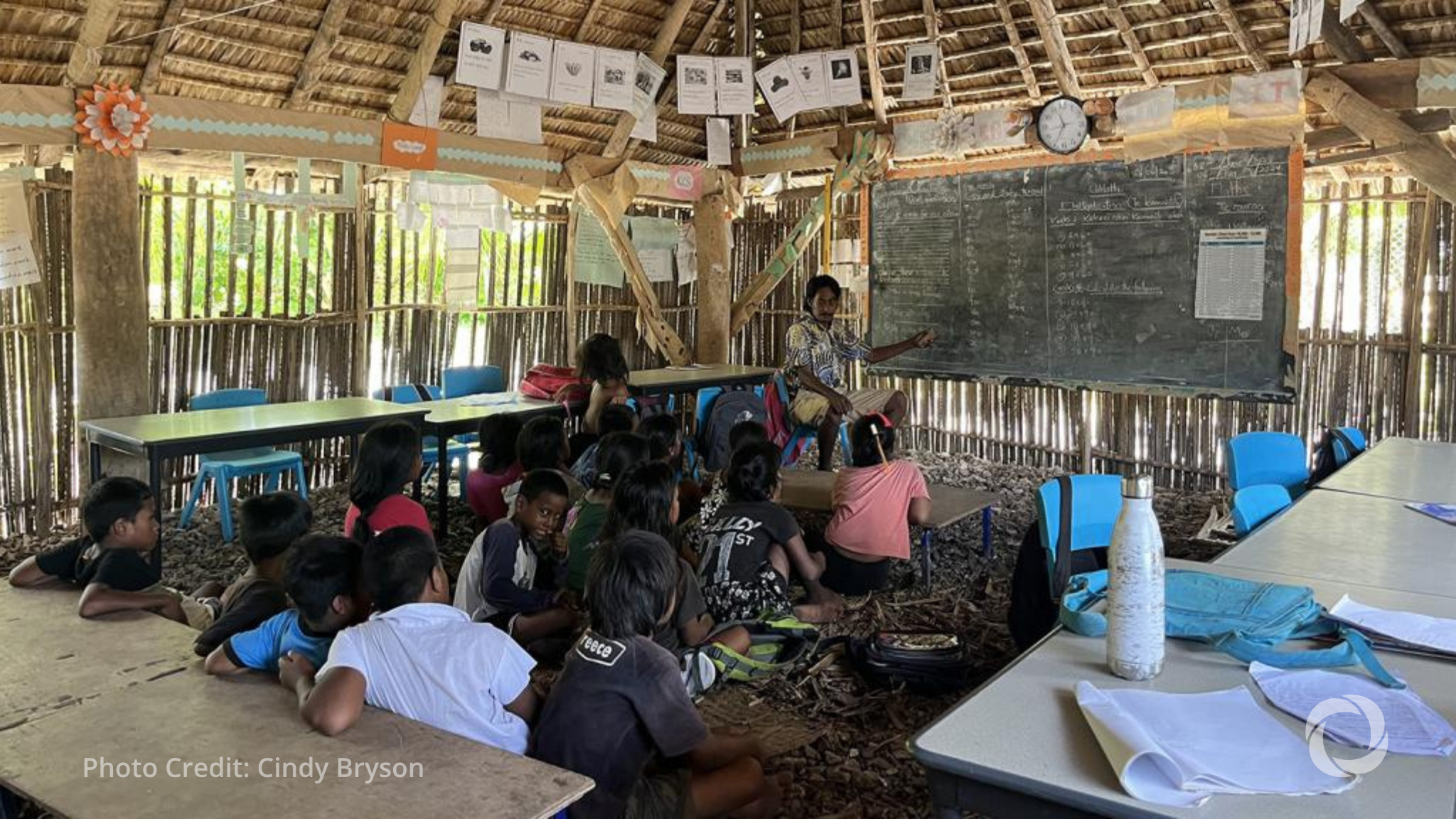
The Asian Development Bank (ADB) has approved a $30 million grant to improve primary and secondary education in Kiribati, with a focus on helping students in remote communities finish school, ADB announced. The Equitable Access to Quality Education Project will build modern, disaster-resilient classrooms, recreational facilities, and dormitories designed to meet the different needs of boys and girls.
The project will also buy vehicles for student transport, update curricula to take advantage of digital technology, and train teachers through new programs. Aaron Batten, Regional Director of ADB’s Pacific Subregional Office, says the project removes barriers that keep too many children—especially those in outer island communities—from completing their education. “By improving transport, classrooms, digital learning, and teacher training, more children will complete their education,” he said.
The $30 million grant comes from ADB’s Asian Development Fund, which provides help to the poorest and most vulnerable countries in Asia and the Pacific. An additional $5 million in cofinancing comes from the Global Partnership for Education. The project is designed to complement the Government of Australia’s 10-year Kiribati-Australia Education Program in Tungaru.
Laura Frigenti, CEO of the Global Partnership for Education, says equitable access to quality education starts with safe, well-equipped schools. “By joining forces with ADB and the Government of Australia, we can mobilize the resources needed to build resilient education infrastructure and ensure every child in Kiribati has the opportunity to learn and thrive,” she said.
During its 2021-2024 period, the Asian Development Fund helped 384,000 people escape poverty and generated around 500,000 jobs. Founded in 1966, ADB is owned by 69 members—50 from the Asia-Pacific region.