
Add us as your preferred source on Google to see more of our content in Search.
 Add to Preferred Sources
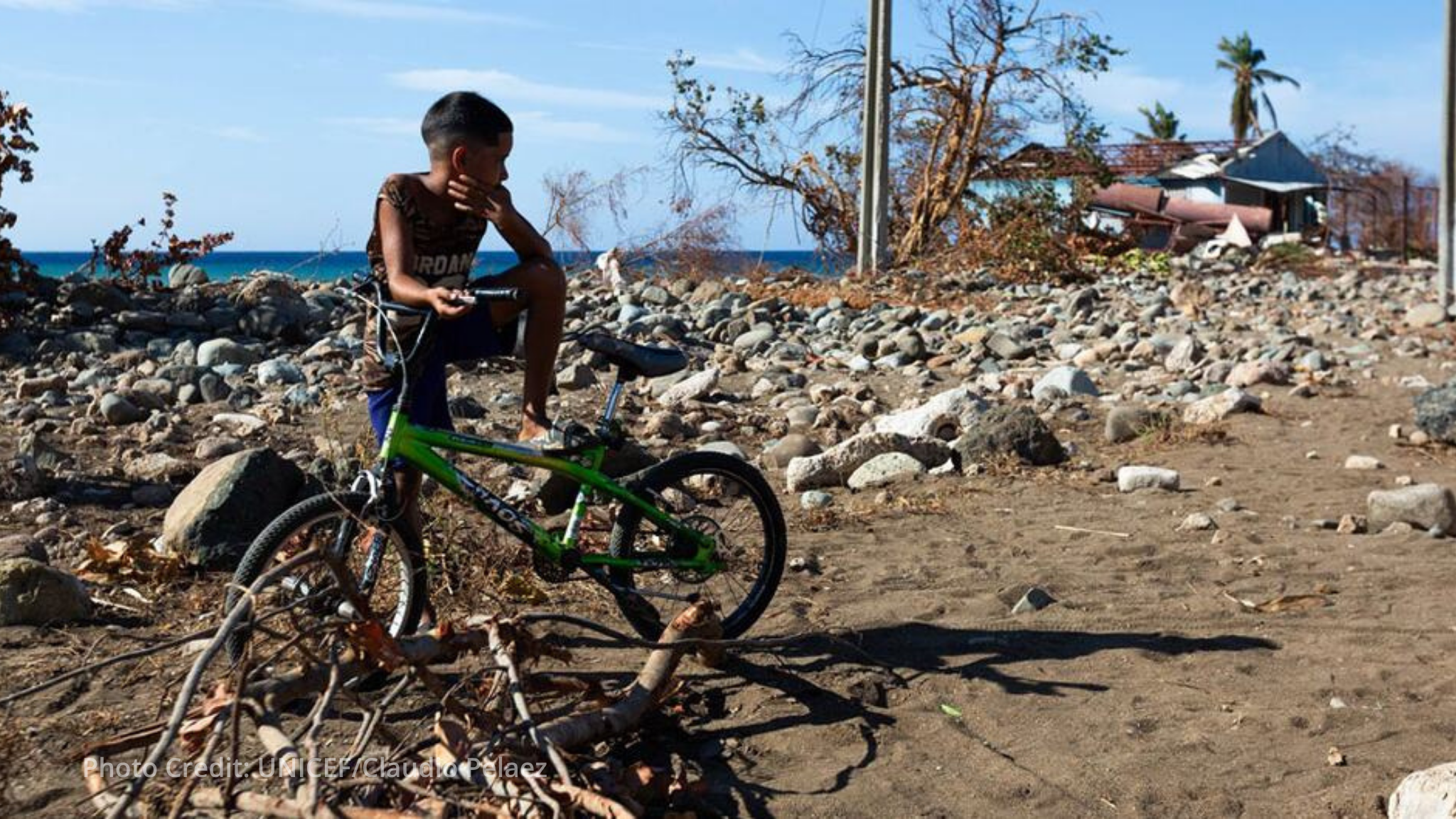
Cuba is facing a worsening humanitarian crisis driven by a prolonged energy blockade and the lasting damage of Hurricane Melissa, prompting an urgent call for international support from the United Nations (UN), according to a UN News report. Despite a limited oil shipment from Russia that was allowed to dock last week, the top UN official in the country said humanitarian needs remain “quite acute and persistent” and have worsened since the end of March. Three months of severe fuel shortages — after Venezuela’s supplies halted following the US rendition of President Nicolás Maduro in January — have pushed the island to a critical tipping point.
Last month, the national electrical system disconnected three times, plunging Cuba into darkness for days at a stretch. The consequences are felt across every essential service: more than 96,000 surgeries are backlogged, including 11,000 for children, the National Immunization Programme has been delayed for thousands of infants, and roughly one million people now depend on water trucking severely constrained by diesel shortages. UN Resident Coordinator Francisco Pichon briefed reporters in New York on an updated Action Plan targeting around two million people across eight provinces.
Pichon stressed the crisis is not hitting everyone equally. With Cuba being the most aged country in Latin America, the UN is prioritizing nearly 300,000 elderly people living alone, over 100,000 people with disabilities, and 32,000 pregnant women. The updated plan focuses on longer-term fixes alongside immediate relief — installing solar power for hospitals, schools, and irrigation systems, and reinforcing water infrastructure to reduce dependence on the fragile national grid.
The UN has mobilized $26.2 million so far, but a funding gap of $68 million remains. Pichon called this “a critical window of opportunity to mobilize resources and raise awareness of the urgency,” as the UN works with national authorities and the private sector to keep aid operations viable amid mounting logistical constraints.