
Add us as your preferred source on Google to see more of our content in Search.
 Add to Preferred Sources
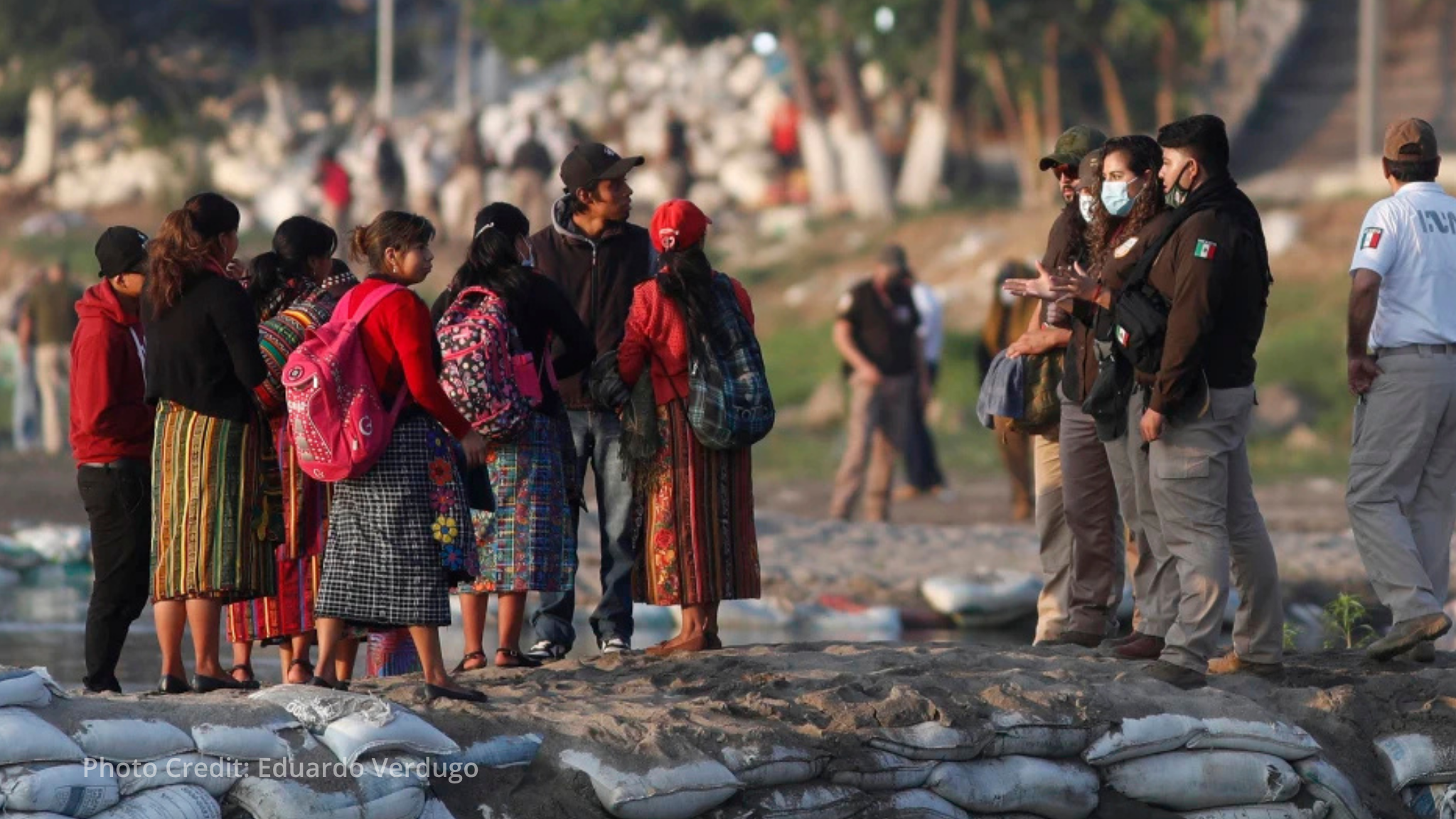
In southern Mexico, forcibly displaced people are gaining access to free legal counseling through a legal clinic supported by United Nations High Commissioner for Refugees (UNHCR), with funding from the European Union and in partnership with the Autonomous University of Chiapas (UNACH), according to a press release by UNHCR. The initiative helps refugees and asylum seekers navigate legal processes that would otherwise be overwhelming. Law students, guided by their professors, deliver counseling to those who have fled their countries. The story of Camila, a young woman who arrived in southern Mexico seeking safety, illustrates the reach of this joint effort. Her experience shows how legal support can open doors to essential services and new opportunities.
When Camila arrived, she quickly realized that rebuilding her life meant more than finding a place to stay. Without documentation, healthcare, employment, and continuing her studies all seemed out of reach. She did not know where to begin until she learned about the legal clinic supported by UNHCR. From her first visit, she received clear guidance and orientation.
“I was received by lawyers at the clinic. They explained how the process would work and asked for my information,” Camila explained.
Through the partnership between UNHCR and UNACH, Camila accessed free legal counseling provided by law students under professorial supervision. With this support, she obtained a key document that opened access to essential services. The paperwork became more than a formality; it became a gateway to independence. Her situation shifted from uncertainty to a clearer path forward. The clinic’s assistance proved decisive in her integration process in Mexico.
“Now I can access social security, go to doctors and clinics. I can also get better job opportunities,” Camila said.
She added that without the clinic and UNHCR, she would not have been able to obtain her documentation. In Tapachula, where thousands arrive seeking protection, such initiatives help displaced people rebuild their lives with dignity. Law students also gain practical experience while contributing directly to refugee protection. Larissa Marroquín, professor at the School of Legal Sciences and coordinator of the clinic, noted that counseling has been offered in shelters and public spaces, including the municipal park.
Ariel, one of the law students who assisted Camila, described how the work reshaped his perspective.
“It has changed the way I see people on the move. It’s not the same to know the topic theoretically as it is to hear someone’s experience firsthand. Academically, we develop skills that cannot be learned in the classroom,” he said.
For those forced to leave everything behind, access to rights marks the first step toward starting over.