
Add us as your preferred source on Google to see more of our content in Search.
 Add to Preferred Sources
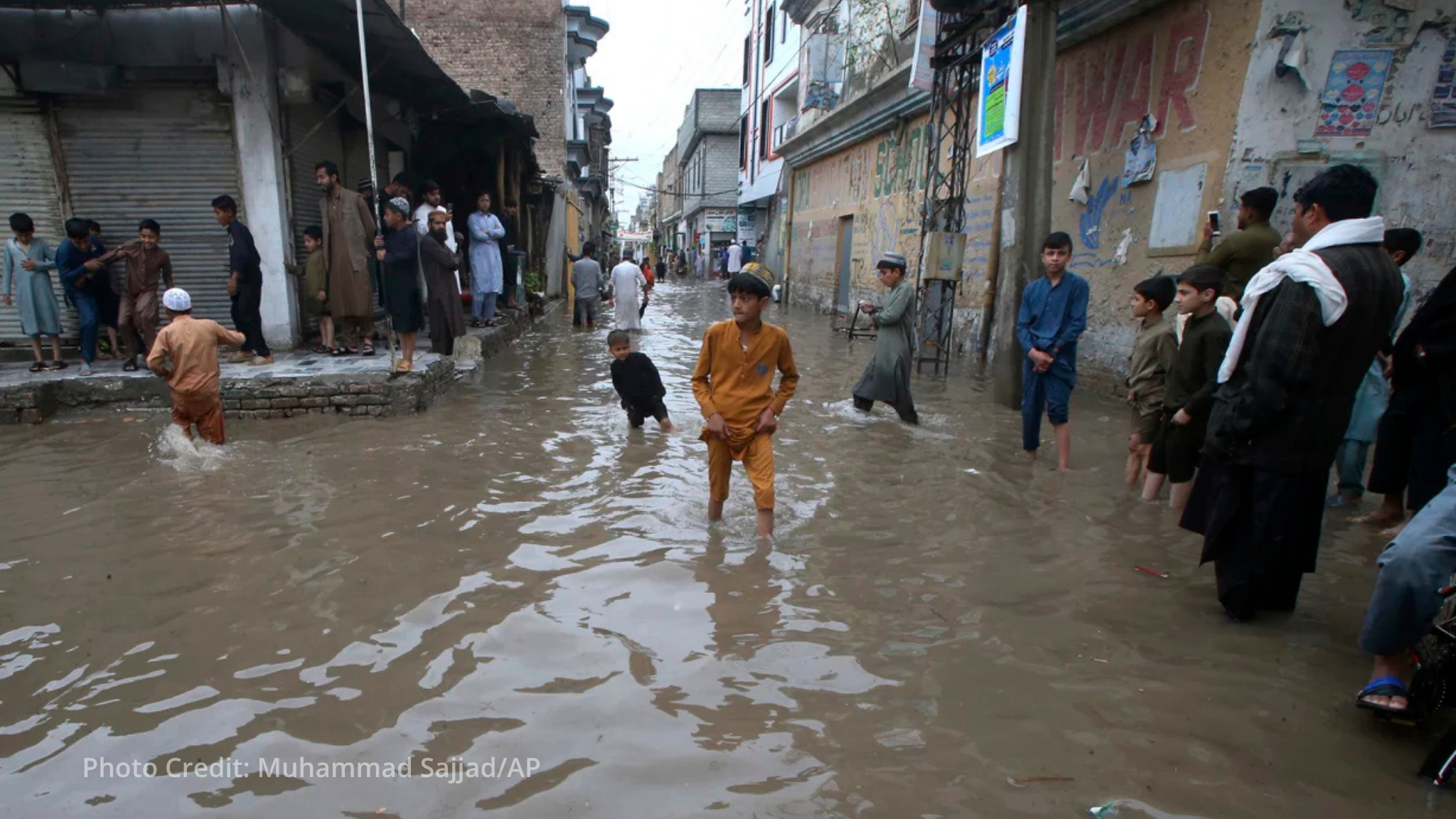
Flash floods that began on 20 July 2026 have struck nine provinces across Afghanistan, with Nuristan bearing the brunt of the devastation, according to a press release by the International Organization for Migration (IOM). Homes, shops, and roads have been swept away within hours, leaving families without shelter or basic services. Rescue teams are operating in one of the most remote and hard-to-reach parts of the country. They are digging through rubble by hand while facing the constant risk of further flooding. IOM has deployed assessment teams and dispatched trucks carrying life-saving relief supplies to affected communities.
According to Afghanistan’s National Disaster Management Authority (ANDMA), at least 23 people have died, around 80 have been injured, and more than 100 remain missing as of 21 July. The provincial capital, Parun, was among the hardest-hit areas, where homes and other infrastructure were severely damaged. Search and rescue operations are continuing under difficult conditions. The ongoing risk of further flash flooding complicates response efforts. Nuristan remains the epicenter of the current emergency.
This latest emergency is not an isolated event, as Afghanistan has faced repeated flooding throughout 2026. Between March and May, floods and other climate-related hazards affected more than 11,000 families, or over 82,000 people. Humanitarian assistance reached 75 per cent of those affected across the country, with the Eastern Region among the hardest hit. The disasters damaged more than 11,000 shelters and affected critical water infrastructure. Risks related to access to safe drinking water and sanitation have also increased.
The IOM Spokesperson highlighted the scale of the crisis and the compounded vulnerability of Afghan communities.
“What we’re seeing in Nuristan is devastating. Families have lost everything in a matter of hours — homes, shops, roads, swept away,” the Spokesperson said.
Earlier nationwide floods in March and April killed 99 people and injured 154. More than 5,000 homes were destroyed, 355 kilometres of roads were washed away, and over 14,000 acres of farmland were inundated. Climate variability, including the influence of El Niño, is contributing to increased risks of extreme weather events across the country.
The IOM Spokesperson emphasized that families who have lost their homes need shelter, clean water, and support to rebuild, both immediately and in the months that follow. Recurrent hazards are compounded by decades of conflict, environmental degradation, and limited coping capacity. Communities are increasingly exposed to repeated disasters with little time to recover between shocks. The Spokesperson urged the international community to step up efforts and not look away from Afghanistan. Humanitarian needs remain urgent and continue to grow.