
Add us as your preferred source on Google to see more of our content in Search.
 Add to Preferred Sources
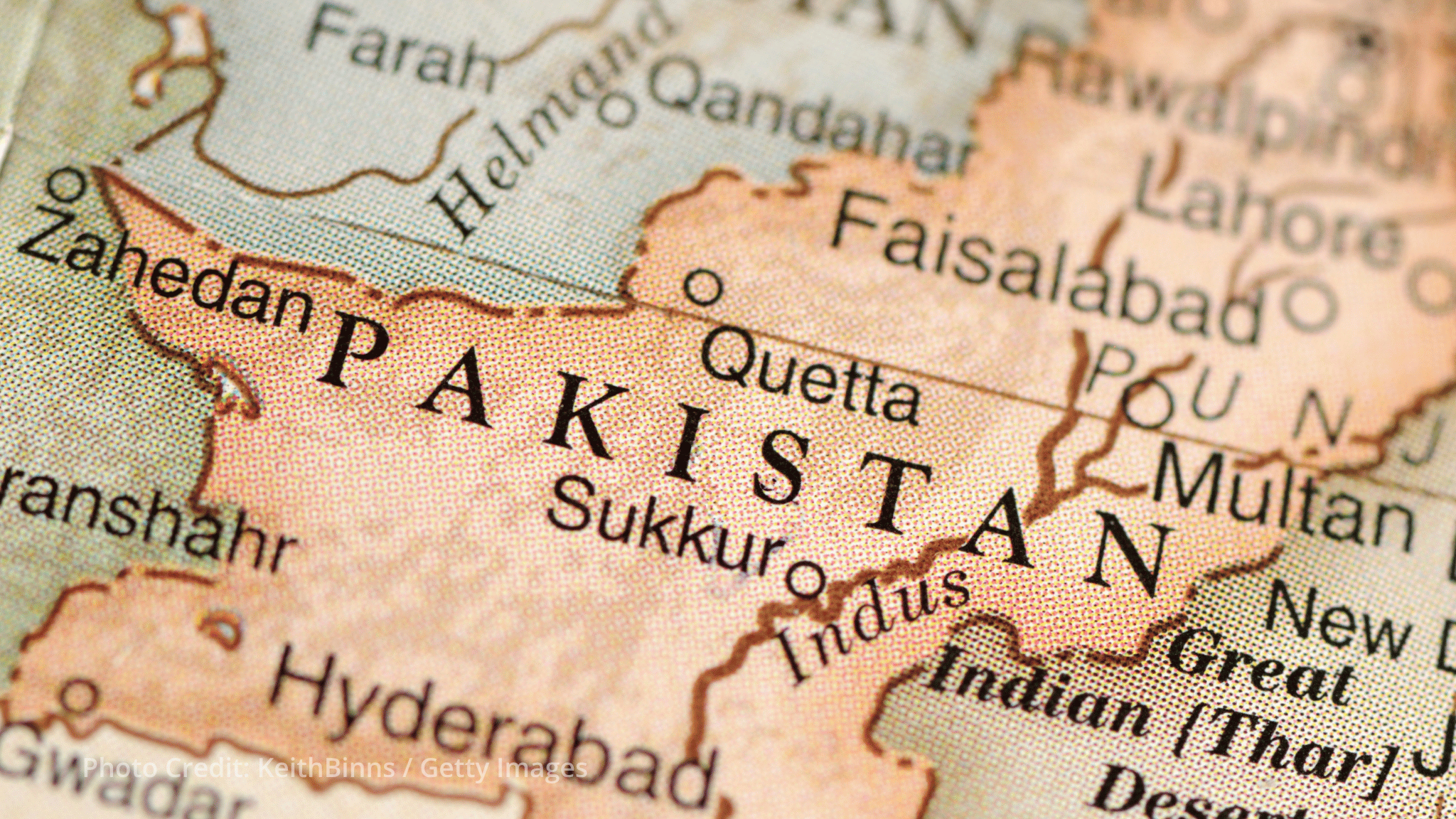
Moderate and severe malnutrition rates among children under the age of five have exceeded emergency thresholds in Quetta, the capital of Baluchistan Province in Pakistan, according to a recent SMART+ nutrition analysis conducted by Action Against Hunger in collaboration with the Department of Health in Baluchistan, according to a press release. The prevalence of combined global acute malnutrition reached 29.1%, while severe acute malnutrition stood at 8.1%. Both figures are considerably higher than their respective emergency thresholds of 15% and 2%. The findings point to a deepening nutrition crisis affecting the youngest and most vulnerable residents of the province. The analysis calls attention to the urgent scale of the situation on the ground.
Chronic malnutrition also remains widespread in Quetta, with nearly 36% of children stunted and 14% severely stunted. These figures reflect persistent long-term nutritional deprivation among affected children. They also indicate repeated exposure to adverse health and environmental conditions. Action Against Hunger has operated in Pakistan since 1979, according to organizational data. The country currently has a population of 251.3 million people, with 40.9 million facing hunger.
The analysis identifies a convergence of drivers behind the worsening nutritional status and food insecurity in Quetta. These include a lack of adequate diet, a high disease burden, poor water, sanitation, and hygiene (WASH) conditions, strong reliance on unstable income sources, and environmental shocks, particularly recent droughts. Heavy reliance on tanker trucks and communal water sources, combined with only 19% of families treating water, raises the risk of waterborne diseases and repeated infections among children. About 31% of households use inadequate latrines or practice open defecation, while 51% dispose of waste in unofficial dumping sites. Around 33% of households are engaged in daily wage labor, with limited agriculture-based livelihoods further restricting access to nutritious diets.
“Severe acute malnutrition is potentially deadly for children, and it is heartbreaking because it’s a treatable disease when it’s undertaken soon enough,” said Muhammad Aamir, Country Director for Action Against Hunger in Pakistan.
He emphasized the need for a more integrated response, including expanding nutrition services in the most vulnerable communities and strengthening early screening and follow-up at community level. He also highlighted the importance of ensuring that every child who needs treatment can access it. Aamir added that addressing maternal malnutrition and promoting better infant and young child feeding practices—especially early initiation of breastfeeding and exclusive breastfeeding during the first six months—will be critical. Integrating care for vulnerable infants under six months into routine maternal, newborn, and child health services will help identify and support those most at risk early.
The SMART analysis report recommends better integration between nutrition and WASH activities to reduce illness. It also underscores the importance of strengthening food security and the economic resilience of households. This includes nutrition-sensitive livelihoods, access to social protection, and the diversification of income sources. Together, these measures are described as critical to improving nutrition outcomes in Quetta. The findings set out a clear direction for coordinated action in the province.