
Add us as your preferred source on Google to see more of our content in Search.
 Add to Preferred Sources
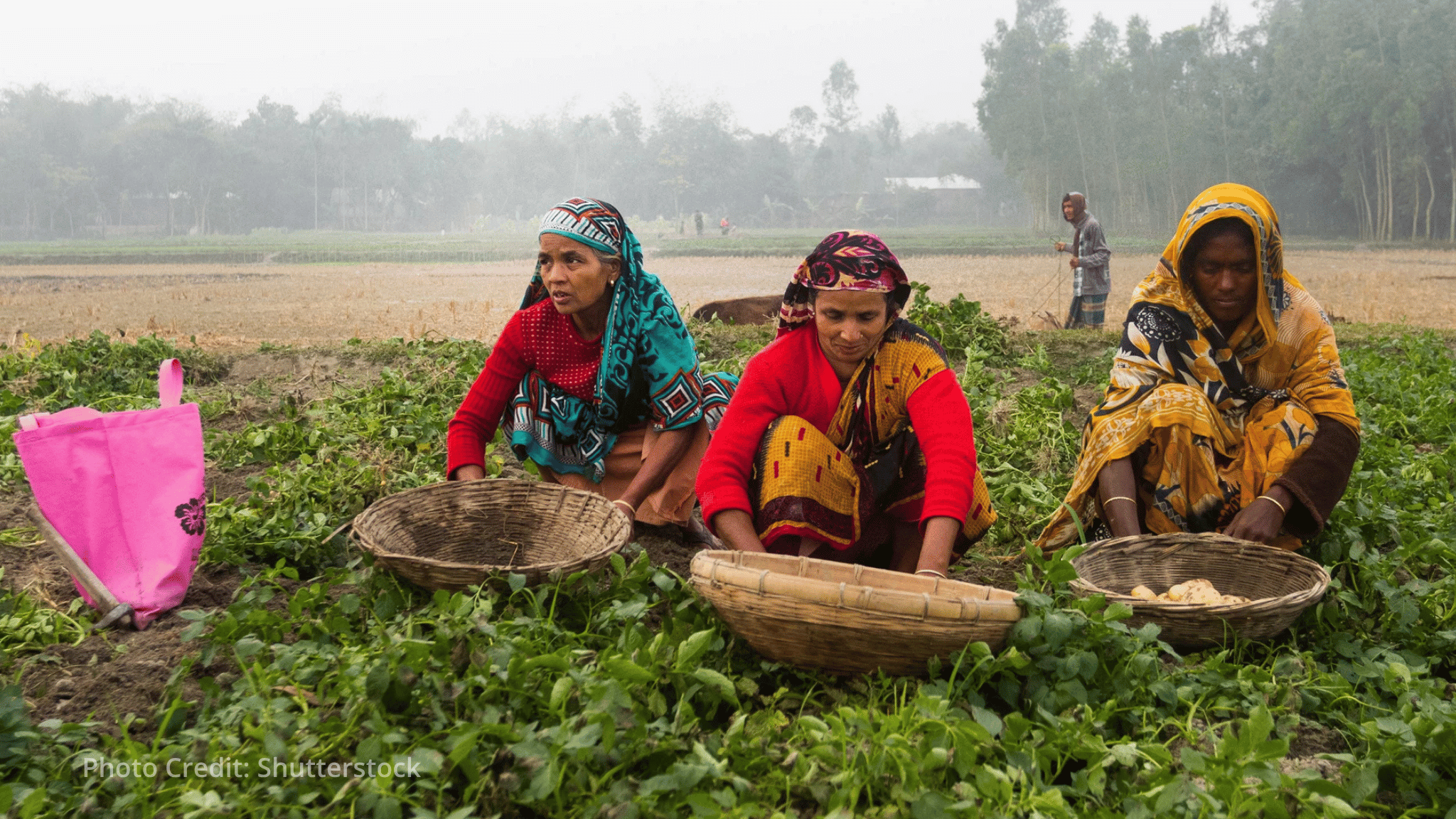
Women workers across South Asia are forming cooperatives to transform unpaid and informal work into decent jobs, expanding access to affordable care services and strengthening economic empowerment, according to a press release by the International Labour Organization (ILO) issued on 31 July 2026. From cotton farmers in Madhya Pradesh and domestic workers in Bihar to care workers in Nepal and nursery teachers in Sri Lanka, women are coming together to build enterprises they own and govern collectively. The movement coincided with the International Day of Cooperatives on 4 July 2026, held under the theme “Cooperatives for a Peaceful World”. First celebrated by the International Cooperative Alliance in 1923 and officially recognized by the United Nations in 1995, the observance highlights cooperatives’ contribution to sustainable development, social inclusion and peace. Collective ownership is emerging as a practical pathway to decent work.
In India, more than 250 women farmers gathered in Dahi, in Madhya Pradesh’s Dhar district, in March 2026 under the ILO’s Rise for Impact project. On 8–9 April 2026, the project and partners — the Confederation of Indian Textile Industry, the Self Employed Women’s Association, Action for Social Advancement and Samarthan — held a workshop in Indore. Participants from Farmer Producer Organizations and Self-Help Groups identified care-related challenges in cotton-growing communities. The initiative aims to promote economic democracy, reduce vulnerability to forced labour and help keep children in school. Many women are now also exploring producer cooperatives to strengthen market access.
Nearly 1,200 kilometres away in Patna, Bihar, domestic and care workers are building a worker-owned cooperative under the ILO’s Promoting Rights and Social Inclusion through Organization and Formalization (PRS) Phase II Project. With support from the Indian National Trade Union Congress (INTUC), members launched Didi Ki Thali (Sisters’ Plate), a community kitchen serving affordable meals. Another group is preparing to deliver household care services through the cooperative model. In Gaya district, home-based workers in tailoring, beauty salon services and bangle making have expressed interest in joining. Members view collective ownership as a route to fairer conditions and greater voice.
In Nepal, the ILO is working with the National Cooperative Federation of Nepal (NCF) and domestic workers unions through the Empowered Women Prosperous Nepal and Global Accelerator on Jobs and Social Protection for Just Transitions projects. Following a Training of Trainers programme in July 2026, facilitators introduced the Think.CareCOOP and Start.CareCOOP model to 28 cooperatives and two domestic worker groups, reaching more than 600 people. In Sri Lanka, the Department of Cooperative Development and the ILO completed a National Assessment on the Provision of Care Services through Cooperatives. A National Action Plan for Care Cooperative Development (2025–2030) now guides the sector. Forty-two preschool teachers completed cooperative training in July 2026.
The ILO’s work is guided by the Promotion of Cooperatives Recommendation, 2002 (No. 193), the only international labour standard dedicated exclusively to cooperatives. In 2022, the International Labour Conference adopted the Resolution concerning Decent Work and the Social and Solidarity Economy, recognizing cooperatives as key actors in creating decent work. The United Nations proclaimed 2025 as the International Year of Cooperatives. Female labour force participation in Sri Lanka has remained around 30 per cent for two decades, with nearly six in ten economically inactive women citing household and care responsibilities. Across South Asia, cooperatives are helping women gain income, voice and dignity.