

Add us as your preferred source on Google to see more of our content in Search.
 Add to Preferred Sources
Nepal is facing a multibillion-dollar reconstruction challenge after devastating floods in the north of the country left more than 5,000 people dead or missing within a matter of days, with the government estimating that the rebuilding could exceed US$5 billion.
As of 1 September, Nepal’s National Disaster Risk Reduction and Management Authority reported 987 deaths and 3,916 people still missing, while 11,814 had been rescued through air and land operations.
Overall, the disaster has affected around 93,000 people in six districts, with search and rescue operations still continuing in the hardest-hit areas, according to the International Federation of Red Cross and Red Crescent Societies (IFRC).
The disaster has destroyed and severely damaged hundreds of homes, roads, bridges and other essential infrastructure. According to the Nepal Electricity Authority (NEA), the flood has damaged 13 major hydropower projects, which disrupted electricity, water and communications networks, and affected the operation of major health facilities.
Hundreds of foreign nationals missing
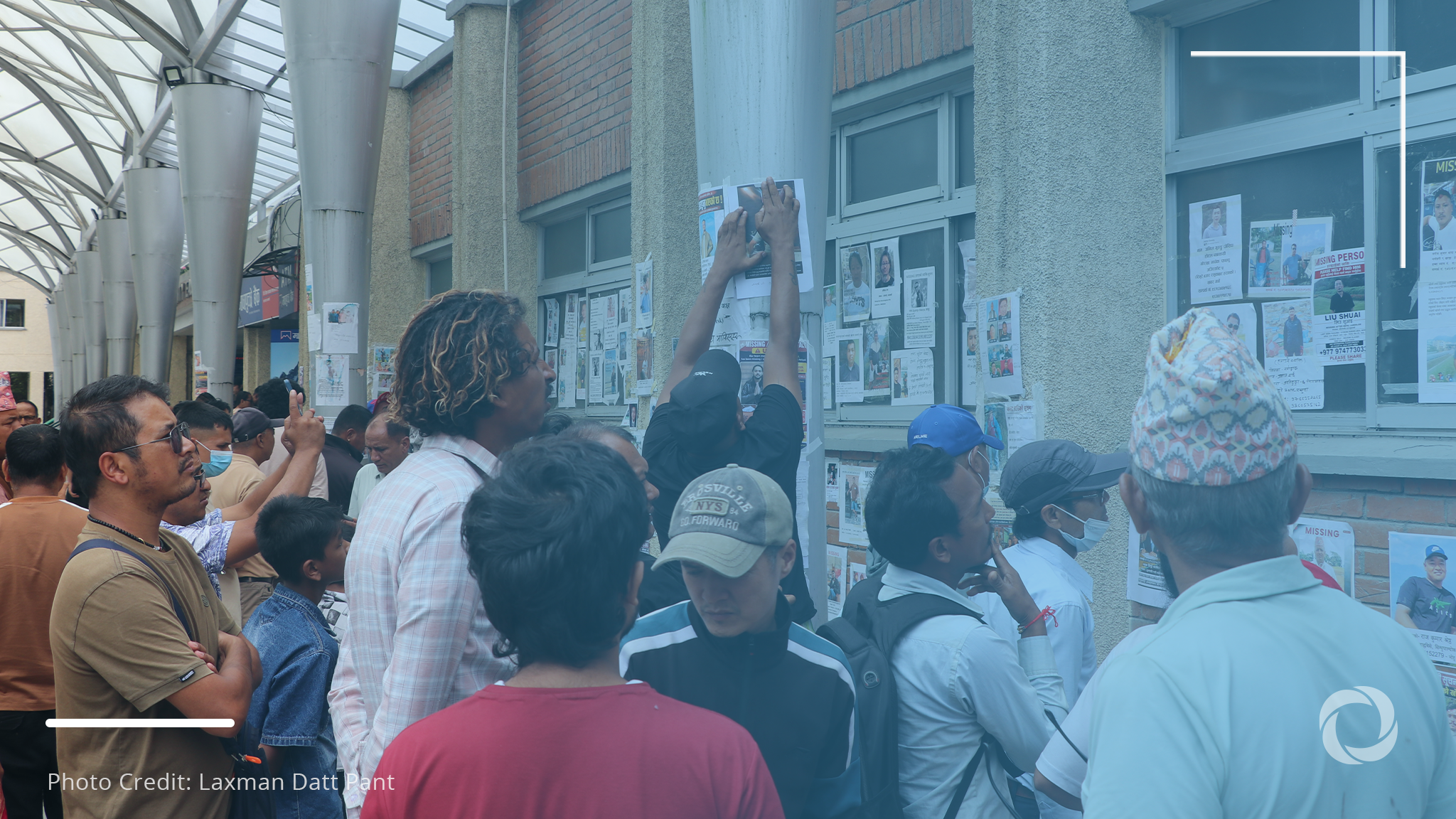
The disaster has also left hundreds of foreign nationals unaccounted for. Nepal’s Foreign Ministry said that about 590 nationals from 39 countries were still missing as of 31 August, while more than 323 had been rescued.
The ministry added that its diplomatic missions were coordinating with families and relevant authorities to verify information and assist with identification and repatriation procedures.
Initial estimates of recovery costs
Finance Minister Swarnim Wagle has said that Nepal may need around US$5 billion for reconstruction following the devastating floods. He stressed that the figure was an initial estimate and that a detailed assessment of the loss and damage would be needed.
Prime Minister Balendra Shah has described the disaster as “unimaginable and heartbreaking” and pledged that the government would mobilize the entire state apparatus to save lives and support survivors. He said more than US$34 million had been deposited in the Prime Minister Disaster Relief Fund, along with additional donations from abroad, and pledged full transparency in the use of the funds.
Humanitarian needs are high
Humanitarian needs are acute in the worst-hit districts. UNICEF estimates that 17,000 children are now in urgent need of humanitarian assistance. The agency is seeking US$17.2 million to support emergency response and early recovery.
The IFRC has also launched an emergency appeal of over US$30 million as damage assessments continue in areas that are difficult to reach.
International assistance grows
Nepal initially limited the involvement of foreign rescue teams. “The offer for help is natural. Our security agencies are doing the search-and-rescue operation. For now we don’t require such help,” international media outlets quoted the country’s Foreign Ministry as saying.
Subsequently, the ministry said it was coordinating the rescue operations with Nepal’s immediate neighbors and the international community to facilitate relief efforts.
International assistance has since grown. PM Balendra Shah said governments and international institutions have committed millions. The World Bank announced US$167 million in concessional loans, the Asian Development Bank pledged US$5 million in grants, Australia – US$1 million, the USA – US$500,000.
Canada announced US$5 million in humanitarian assistance for emergency relief efforts. Similarly, the UK has offered US$6.8 million in aid, and the UN released US$2.5 million in emergency funding. The European Union announced US$2.3 million in emergency humanitarian aid, the IFRC allocated nearly US$1 million.
Fundraising efforts have also expanded beyond governments and international institutions, including campaigns organized through platforms such as GlobalGiving to support food-affected communities with emergency relief.
What comes next?
For Nepal, the immediate priority remains finding those still missing and helping affected communities. But as the country moves from search and rescue towards recovery, the scale of the reconstruction bill raises questions that will extend far beyond the immediate response: will the country rebuild what was lost or will it make infrastructure more resilient; will it strengthen early warning systems; will it improve disaster-risk planning and reduce its exposure to future climate hazards? Equally important, how will it bridge the gap between immediate humanitarian funding and the resources required for reconstruction?