
Add us as your preferred source on Google to see more of our content in Search.
 Add to Preferred Sources
The Asian Development Bank (ADB) has approved $40.1 million to help Kiribati, Tonga, and Tuvalu manage fuel price volatility as the Middle East conflict drives up import costs across the Pacific, according to a press release. Announced on October 12, 2026, from Manila, the funding will be delivered through the Pacific Regional Energy Security Emergency Assistance Project. The initiative targets three Pacific island economies with limited capacity to absorb sudden energy cost shocks. It aims to shield essential services and vulnerable households from the fallout of the ongoing crisis. The package reflects ADB’s broader response to protect the region from external price pressures.
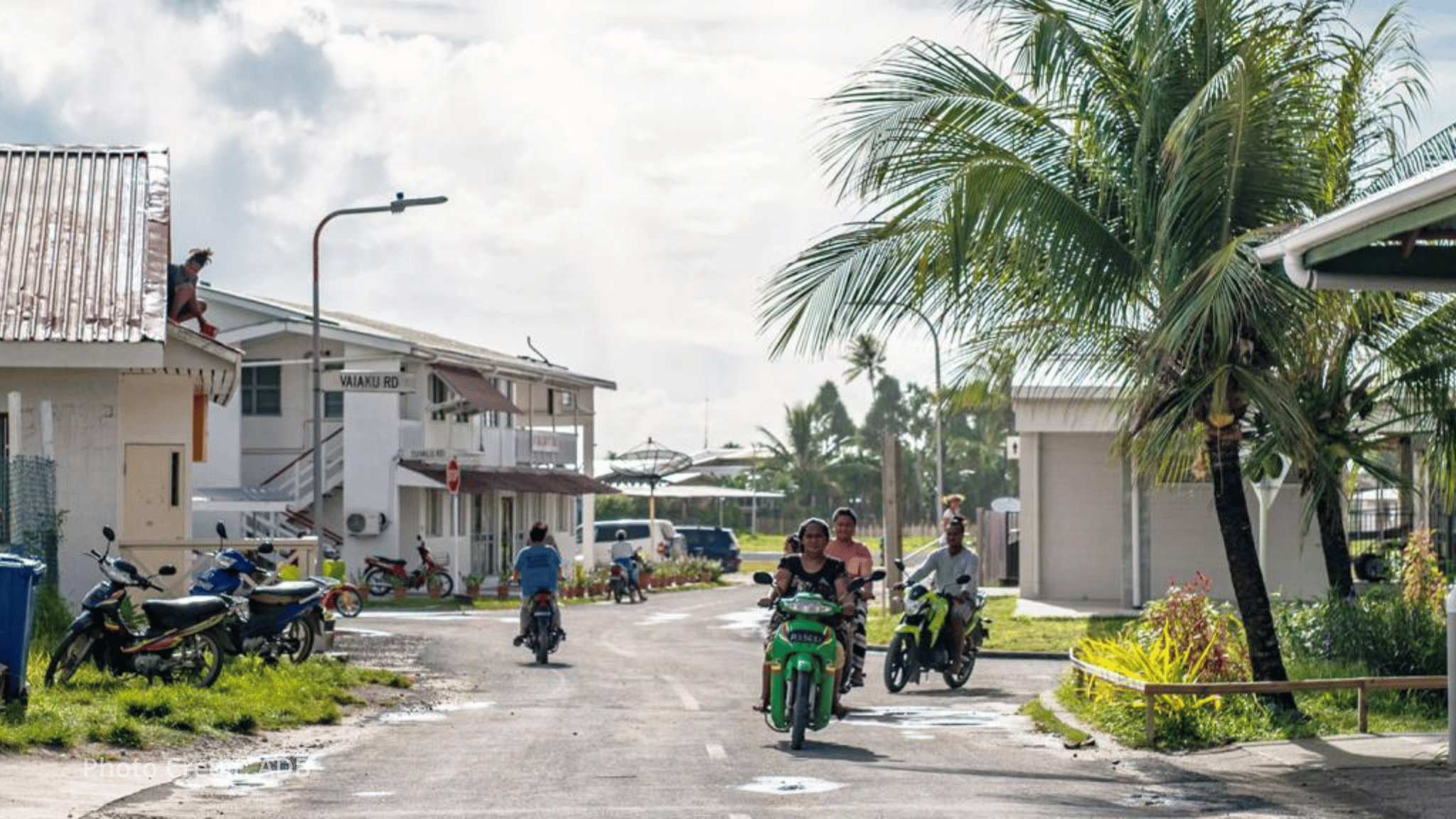
Kiribati, Tonga, and Tuvalu depend heavily on imported fuel and face high transport costs because of their geographic isolation. Recent increases in global fuel and freight prices have heightened the cost of electricity generation and essential goods. Low-income households, which spend a larger share of their income on energy and essential goods and services, are disproportionately affected. The economic impact of higher fuel prices and related disruptions to energy security across the three countries is estimated at more than $80 million. These pressures have strained public finances and the financial sustainability of utilities.
The project will provide grants of $12.77 million to Kiribati, $15.39 million to Tonga, and $11.94 million to Tuvalu to manage exposure to fuel price volatility. In Tonga, support will be channeled through Tonga Power Limited to help maintain affordable electricity services. In Tuvalu, targeted assistance will reach around 6,000 people from low-income households affected by rising fuel, electricity, and living costs. The three governments have already taken proactive measures to shield households and sustain essential services. These include absorbing higher energy costs and providing support to electricity consumers.
“Pacific island economies have little room to absorb sudden increases in the cost of imported energy,” said ADB President Masato Kanda.
He noted that when supplies are disrupted and prices rise, the impacts are felt across the economy, hitting electricity, essential services, household budgets, and the cost of food. Kanda added that ADB is helping Kiribati, Tonga, and Tuvalu strengthen energy security and protect people from the hardest effects of this crisis. Government interventions so far have increased public spending while reducing utility revenues. This dynamic has added pressure on public finances as fuel prices remain high.
ADB is a leading multilateral development bank supporting sustainable, inclusive, and resilient growth across Asia and the Pacific. It works with its members and partners to solve complex challenges, drawing on innovative financial tools and strategic partnerships. Its mandate covers transforming lives, building quality infrastructure, and safeguarding the planet. Founded in 1966, ADB is owned by 69 members, 50 of them from the region. The new assistance underscores the bank’s continued focus on helping Pacific states weather external economic shocks.