
Angola marks a decade of African Development Bank investments reshaping development outcomes | Report
Add us as your preferred source on Google to see more of our content in Search.
 Add to Preferred Sources
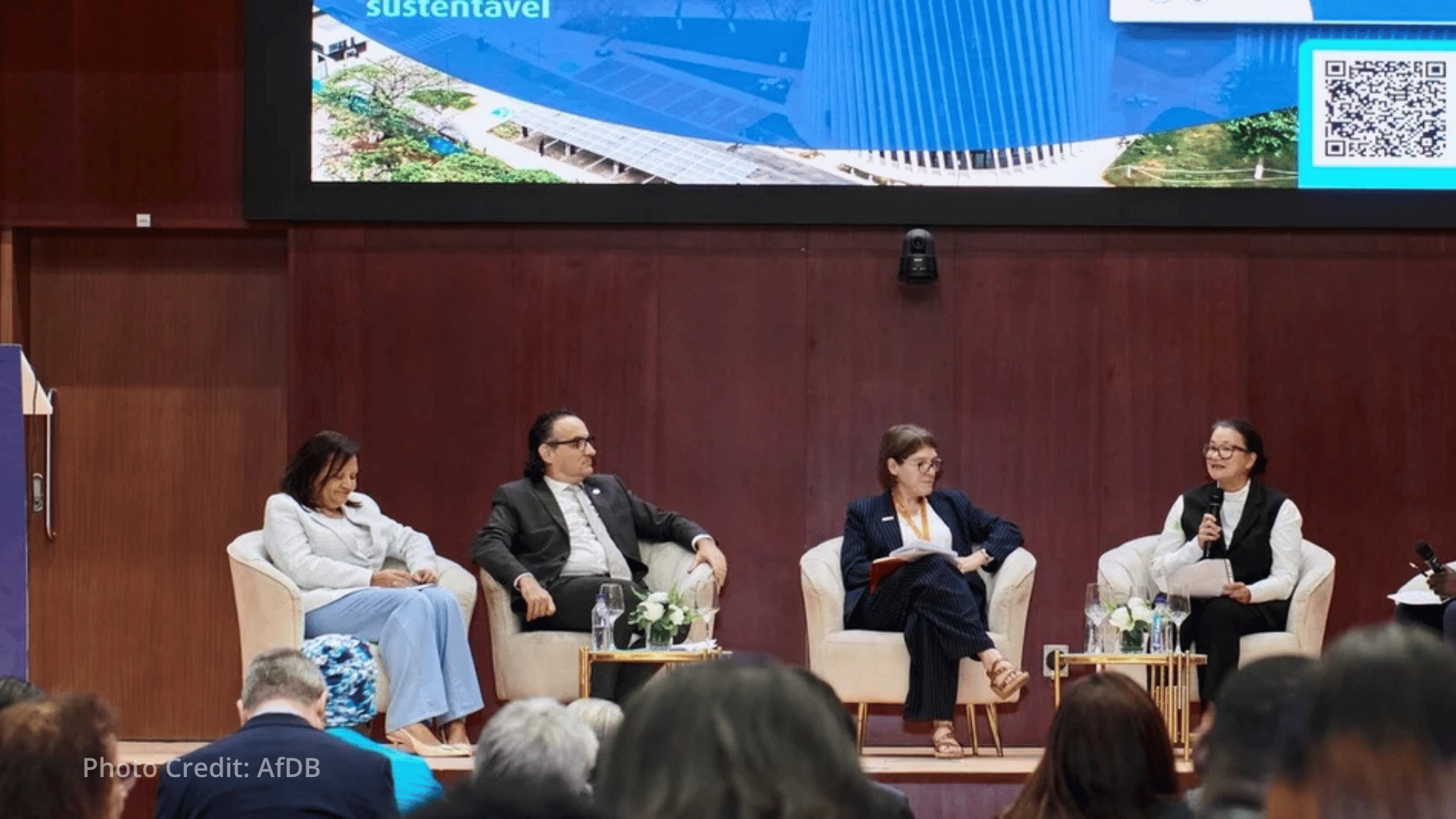
The African Development Bank (AfDB) and Angola’s Ministry of Planning have unveiled the Angola Development Effectiveness Review (CDER), spotlighting the Bank’s contribution to the country’s development over the past decade and its alignment with national priorities, according to a press release. The report was presented in Luanda on 16 September. It examines results achieved in economic diversification, infrastructure, human capital, and regional connectivity. The review also looks ahead to opportunities to deepen collaboration. It supports Angola’s next phase of transformation.
Covering the period 2016-2025, the review documents how financing, policy dialogue, and technical assistance have advanced Angola’s national development priorities. Since 2013, the Bank has committed approximately $2.9 billion across sectors. These include energy, agriculture, water and sanitation, and governance. Additional areas cover youth and entrepreneurship, innovation, and private sector development. The partnership has delivered measurable change for millions of Angolans.
According to the report, 1.3 million people gained access to electricity, around 550,000 gained new or improved access to safe drinking water, and approximately 30,000 benefited from improved sanitation. The Bank supported 270 businesses and helped around 50,000 farmers adopt improved and climate-resilient technologies. Nearly 3,000 people were reached through skills development programs. In Cabinda province, more than 53,000 farmers received training through 602 farmer field schools. Investments in science and technology supported 161 postgraduate scholarships, 73 research projects, and 1,204 girls pursuing secondary education in STEM.
“The report reflects the strength and maturity of the partnership between Angola and the African Development Bank. Our engagement has grown significantly in scale and scope and, above all, is translating into concrete results for people, businesses and communities,” said Pietro Toigo, African Development Bank’s Country Manager for Angola.
Luís Kondjimbi Kaíca Epalanga, Angola’s Secretary of State for Planning, said the review is centered on results and lessons that can inform future investment decisions. In 2025, agriculture, livestock, and forestry accounted for 23.06% of gross domestic product. This made the sector the largest single contributor to Angola’s productive structure. The performance reinforces its potential to drive diversification, value addition, and job creation.
The Bank’s support aligns with Angola’s Vision 2050, the National Development Plan 2023–2027, and the Country Strategy Paper 2024–2029. A new wave of investments includes the $211.4 million Eastern Angola Agricultural Value Chain Development Project and the $125 million Angola Youth Employment Project (Crescer). Increased investments are planned in sanitation for coastal cities. The Bank expects to commit about $500 million to the Lobito Corridor to link infrastructure, productive sectors, and regional markets. This agenda aligns with the Four Cardinal Points strategic vision set out by Bank Group President Dr Sidi Ould Tah.