
Add us as your preferred source on Google to see more of our content in Search.
 Add to Preferred Sources
📅 3 – 6 November 2026
Xi’an International Convention Centre , Xi’An, China
The International Forum on Energy for Sustainable Development (IFESD) was initiated by the United Nations Economic Commission for Europe (UNECE) and United Nations Economic and Social Commission for Asia and the Pacific (ESCAP) in 2010 and became a major global annual event in sustainable energy. Since then, all five UN Regional Commissions have been co-organizers of the Forum.
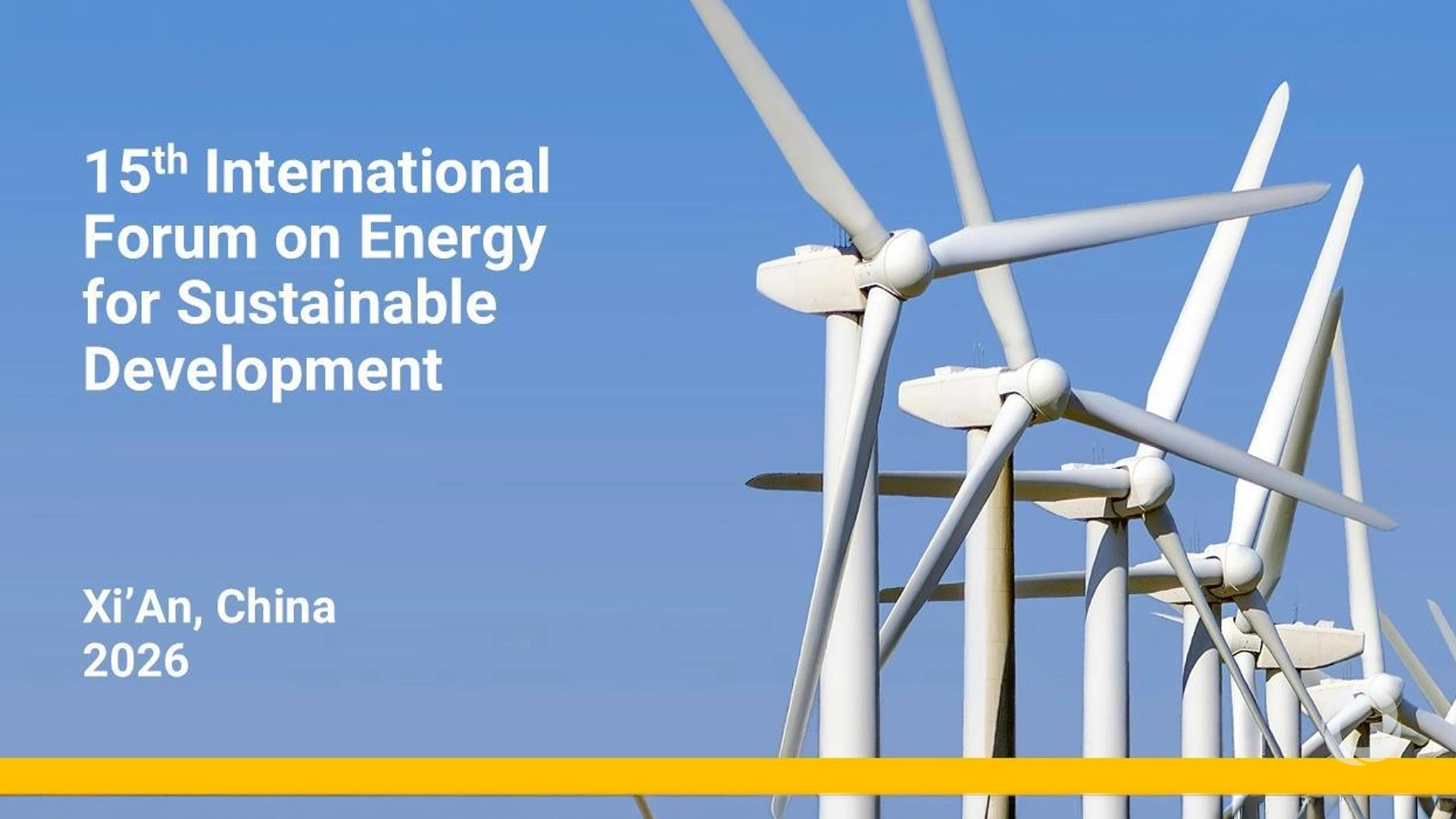
The fifteenth Forum will be held in Xi’an, China from 3-6 November 2026 under the theme of “Energy Transition in an Uncertain World: Driving Security, Growth and Resilience.” The objective of this Forum is to accelerate the implementation of national energy transitions to deliver multiple outcomes for society, economy and the environment against a backdrop of rapidly shifting geopolitical, trade and technological factors.
Experts from the energy sector, representatives from Governments, UN entities, international organizations and other stakeholders will explore pathways to accelerate energy transition across a wide range of national and regional contexts. The event will feature plenary sessions, parallel workshops, and side events on energy issues such as improving access to modern energy services, increasing the share of renewable energy and enhancing energy efficiency, the role of digitalization and artificial intelligence in energy transition, increasing market share of electric vehicles, enhancing sustainable resource management and securing critical energy transition minerals (CETMs), youth in energy transition, and cleaner use of fossil fuels.
Objective
The objective of the Fifteenth Forum is to explore how to help Member States expedite the sustainable energy transition in the context of evolving supply and price uncertainties of energy resources. The Forum will discuss, share knowledge and experience, and explore ways for countries to achieve an affordable, secure, and resilient energy future.
Expected outcomes
By engaging policymakers, the private sector and other stakeholders; and exchanging knowledge and best practices on secured and resilient energy systems, this Forum intends to achieve the following outcomes:
- Enhanced capacity of member States to intensify efforts towards aligning their energy transitions with the need for climate mitigation, energy security and growth.
- Strong political willingness by governments and multilateral cooperation organizations to step up and strengthen efforts to support the acceleration of energy transition.
- Enhanced recognition by Regional Commissions of the importance of energy security and commitment to expand support to Member States to help develop affordable, secured and resilient energy systems.
Thematic discussions throughout the Forum will be held at the following sessions:
- Energy Connectivity, Resilience, and Security
- Opportunities for Coal Mine Methane Mitigation
- Critical Energy Transition Minerals
- Digitalization of Energy Systems
- Long-term and Resilient Energy Planning and Policy Development
- Renewable Energy as driver of Sustainable Energy Transition
- Electric Mobility
- Youth in Energy
- Natural gas as a transitional fuel
- Energy efficiency in urban development
As an expected overall outcome, the Forum will inform and guide national strategies on energy efficiency, renewable energy, and sustainable investment, to enhance energy security in the face of growing geopolitical and climate impacts. Participants will identify key challenges, explore emerging opportunities, and assess capacity-building needs for coordinated, joint action. The discussions will address barriers such as reliable and affordable energy supply, financing the sustainable energy transition and achieving global goals and targets while highlighting the critical role of regional cooperation in addressing these challenges.