
Add us as your preferred source on Google to see more of our content in Search.
 Add to Preferred Sources
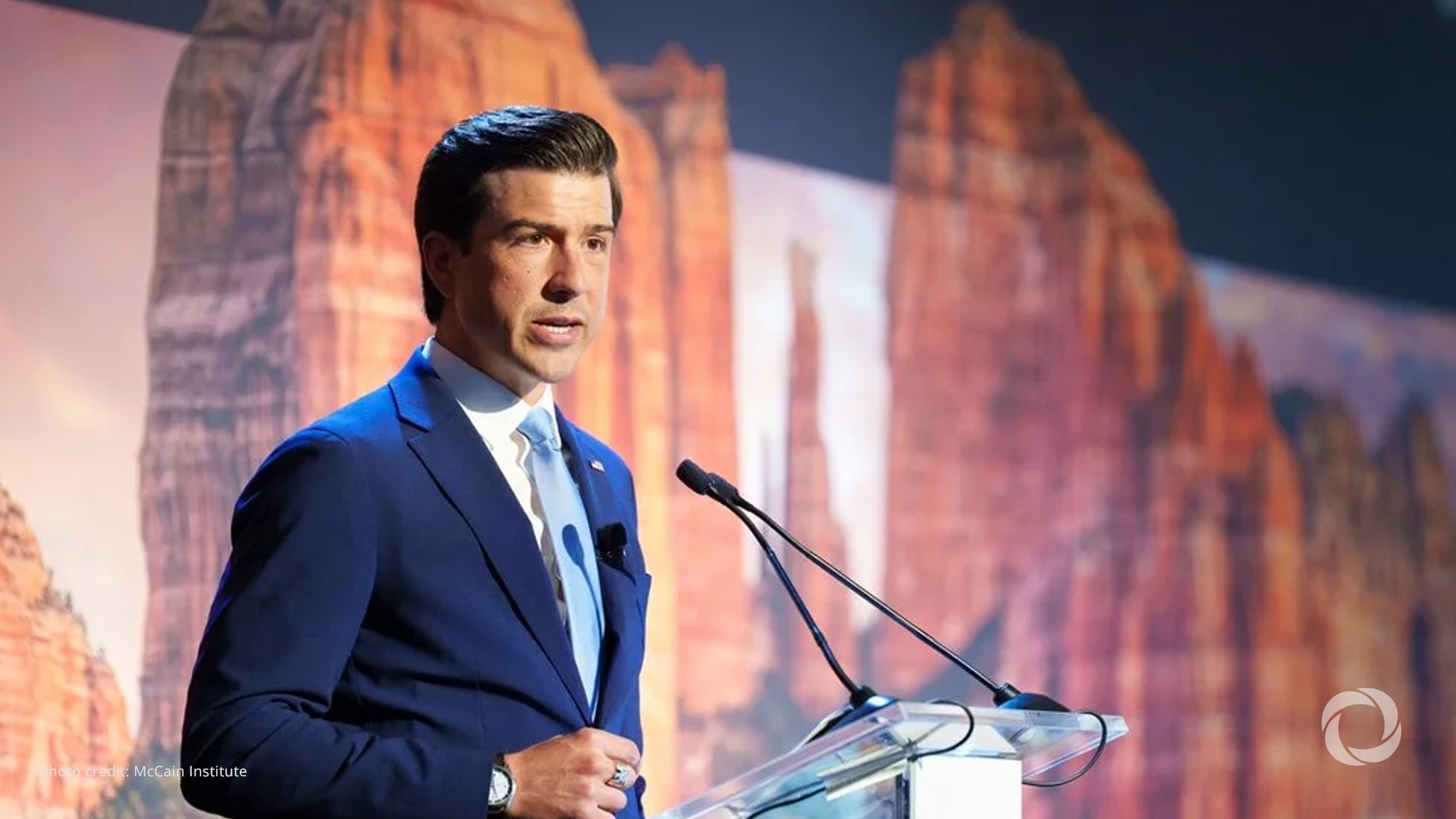
Reducing conflict is the single most effective way to tackle global hunger, the new head of the UN World Food Programme (WFP), Luke Lindberg, said on Wednesday during his first press conference since taking office earlier this week, according to UN News. Speaking to journalists at UN Headquarters in New York on 28 October 2026, Mr. Lindberg noted that conflict drives two-thirds of the acute food insecurity affecting 266 million people worldwide. He stressed that hunger is a problem the international community has the tools to solve if it addresses its root causes. His remarks set out early priorities for the agency under his leadership. The thesis was clear: ending conflict is central to ending hunger.
Mr. Lindberg succeeds Cindy McCain, who led WFP from April 2023 to May 2026, and Carl Skau, who has served as Acting Executive Director since June. He previously served as Under Secretary for Trade and Foreign Agricultural Affairs with the US Department of Agriculture. He said US President Donald Trump had personally called him to ask him to be the US nominee for the post. Mr. Lindberg added that he had “a great relationship” with many members of the Trump administration. He takes the helm as El Niño is set to push 49 million more people into acute food insecurity, while chokepoints in global supply chains are exacerbating the problem.
The new chief said WFP did not need “big platitudes or big announcements” but execution, built on three priorities: protecting staff, strengthening donor partnerships and improving operations “a little bit better each and every day”. More than 700 humanitarians have been killed in the last few years while trying to save lives, he said, adding,
“Nobody should lose their life trying to save somebody else’s.”
He pledged to keep investing in preparedness ahead of disasters, including through tools such as artificial intelligence, and to “go big” on school meals. Mr. Lindberg announced that his first trip as Executive Director would be to Sudan in a couple of weeks, to thank frontline staff. Sudan, South Sudan and Somalia are the three operations where WFP is currently focusing.
“Conflict is a man-made situation. It is something that we can solve,” Mr. Lindberg told reporters, adding that “the number one thing we can do to reduce hunger in the world is to reduce the amount of conflict that is happening all around the world.”
On Gaza, he said the number of people going hungry there was unacceptable, noting that while WFP has access to deliver food, it is cutting back because of funding shortfalls. He pledged to stand up for WFP employees wherever they are located.
“If anywhere in the world there are people attacking humanitarians, I will absolutely do what I can to protect them,” he said. In the short run, he added, the goal is “no more famines.”
On funding, Mr. Lindberg said the United States remains WFP’s largest funder, while the private sector is now its fifth-largest donor.
“There is no one nation, no one entity that can do this alone,” he said, calling for an all-of-the-above approach.
Asked whether he saw himself as Washington’s representative at the UN, he called it “an unfair characterization,” saying his mandate from the Secretary-General is to end hunger and that he would be a “team player” across the UN system. He said people “all the way up the chain to the president” within the US Government want to support humanitarian work around the world. He added that WFP also needs to build deeper donor partnerships with other countries.