
Add us as your preferred source on Google to see more of our content in Search.
 Add to Preferred Sources
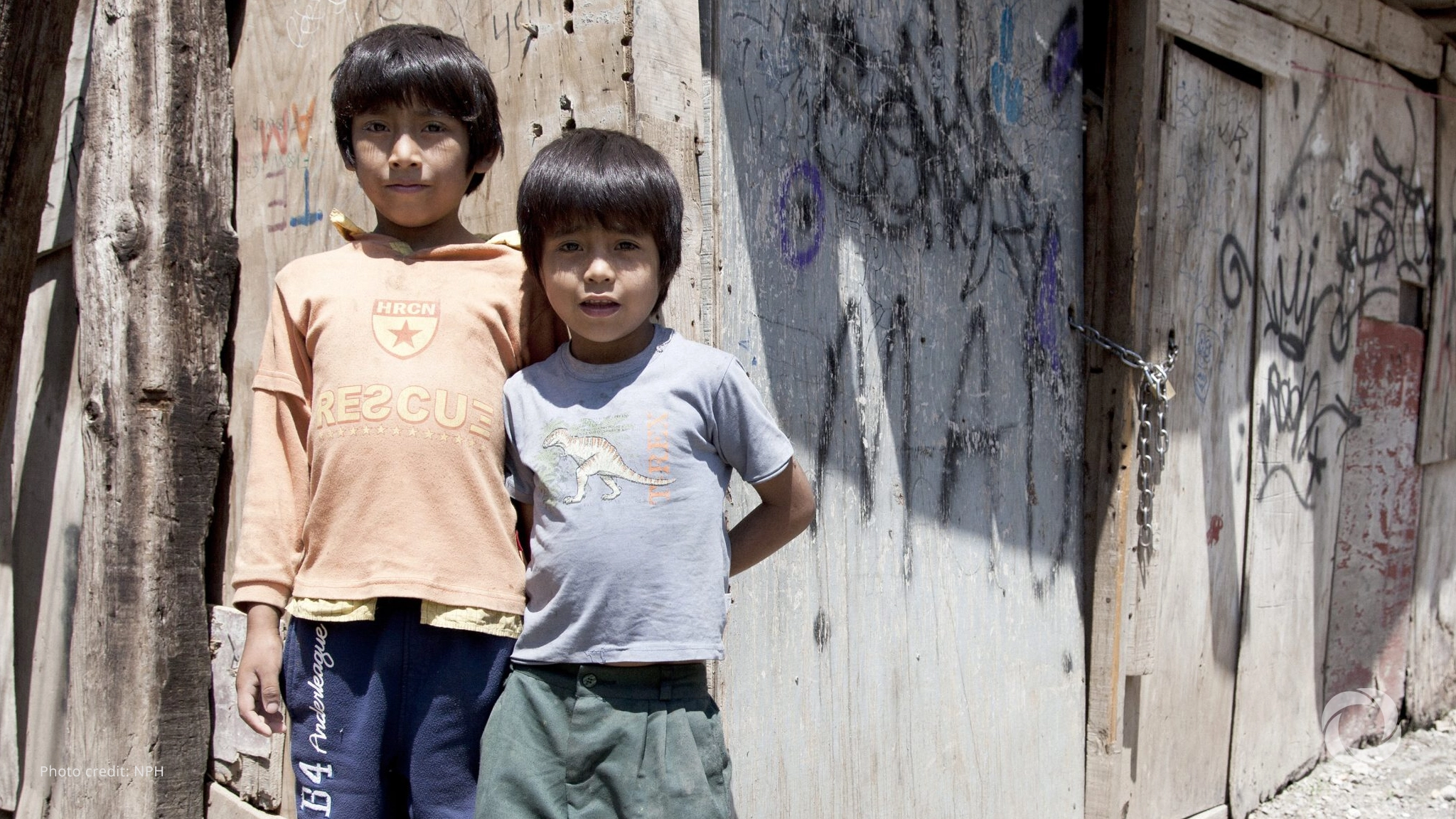
The Board of Executive Directors of the Inter-American Development Bank (IDB) has approved $750 million in financing to expand the coverage of social programs for vulnerable Uruguayan households with children and adolescents and improve their access to benefits, according to a press release. The operation is expected to benefit more than 410,000 children and adolescents up to age 17. It will also strengthen economic protection during pregnancy and early childhood. The initiative aligns with the IDB Group’s Country Strategy for Uruguay 2026–2030. It will contribute to the well-being of vulnerable children and youth through cash transfers with better coverage, targeting, and adequacy.
The project aims to increase social program coverage among economically vulnerable children and adolescents from 82.4% to 85.6%. It also seeks to reduce the time to process a benefit application from 67 to 30 days. A separate mechanism will identify pregnant women eligible for social assistance, raising coverage from 86.7% to 95% for at least four months of pregnancy. These targets form the backbone of the operation’s results framework. The design reflects priorities set out under the IDB Group’s current country strategy.
The plan calls for gradually implementing a new financial support scheme for children and adolescents. Benefits will be scaled by household vulnerability and life stage, with enhanced incentives for pregnant women and young children. The amounts will be linked to the Basic Food Basket (Canasta Básica Alimentaria) and adjusted periodically to preserve purchasing power. The program will also simplify and modernize processes for accessing and managing benefits in order to enroll more eligible households. This work includes expanding the Single Service Window (Ventanilla Única) for nationwide coverage.
“When these types of initiatives are timely and support families at critical junctures in life, their true value becomes evident. This project relies on digital technologies to streamline procedures, reduce wait times, and ensure assistance reaches everyone entitled to it. It focuses on supporting children and adolescents living in vulnerable households, which is both a responsibility of any government working to meet the needs of its citizens and an investment in a more promising future for Uruguay,” said Miguel Porrúa, representative of the IDB Group in Uruguay.
His remarks underscore the digital component of the program. They also highlight the dual role of social protection as both duty and investment.
The IDB loan has a 25-year repayment term, a five-year grace period, and a three-year disbursement period. Financial terms are intended to accommodate the gradual rollout of the new support scheme. The operation combines expanded cash transfers with administrative modernization. It also integrates targeted measures for pregnancy and early childhood. Together, these components define the scope of the IDB’s $750 million commitment to Uruguay.