
Add us as your preferred source on Google to see more of our content in Search.
 Add to Preferred Sources
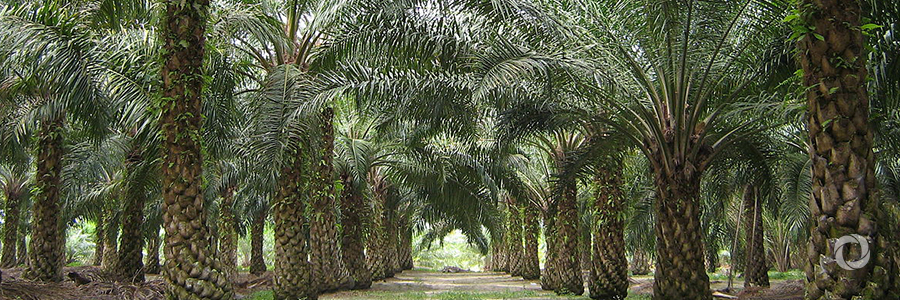
Europe’s well-meaning attempts to improve the sustainability of palm oil production may be having the opposite effect.
The European Parliament voted in favour of a resolution on palm oil and rainforest destruction that includes setting up a single certification scheme for palm oil imports by 2020 to guarantee that only sustainably produced palm oil enters the European Union market and to require that information on food packaging or accessible through technological features indicates that any palm oil content is produced sustainably.
Recently, many environmental activists and politicians have demanded government policies based on concepts of “sustainability”, “carbon neutrality” and “green” sourcing. The goal of these green policies is to minimise human impacts on the environment.
Of course, and as always, those goals are laudable: one cannot help but think that it is good to try to produce stuff without impairing the environment. However, there is reason to wonder if this fight against palm oil is really going to be effective.
First of all, it should be recalled that palm oil cultivation results from worldwide demand for affordable vegetable oil. This demand is not going to disappear. All cereal crops present some advantages and disadvantages. It is no surprise that the World Wildlife Fund has also warned against soy production because of encroachment on the Amazon forest and other valuable wild lands in South America. The question to be solved is how to ensure that demand for vegetable oils is met with minimum environmental damage in the long term.
Source: EURACTIV. Read full article here.
3 May, 2017