
Add us as your preferred source on Google to see more of our content in Search.
 Add to Preferred Sources
UN humanitarian agencies are warning that they are unable to bring urgently needed emergency supplies into Afghanistan, and are calling for a “humanitarian airbridge” to be set up immediately, to allow the unimpeded delivery of medicines and other aid supplies to the country.
In a media interview, Richard Brennan, the WHO Regional Director, explained that the agency is unable to bring some 500 tonnes of medical supplies, scheduled to be delivered this week, into the country, because of restrictions at Kabul airport, which is struggling to cope with a massive evacuation effort.
Mary-Ellen McGroarty, the UN’s World Food Programme’s country director for Afghanistan, was also quoted in the press as calling for swift, coordination action; “otherwise, an already horrendous situation is just going to become an absolute catastrophe, a complete humanitarian disaster”.
Ms. McGroarty reportedly underscored the crucial need for immediate funds to enable more food, shelter, and medical supplies to be brought into the country: “Delay for the next six or seven weeks and it’s going to start becoming too late. People have nothing. We have to get food in now and get it to the communities in the provinces before roads are blocked by snow.”
Humanitarian needs likely to increase
The main focus in recent days has been the evacuation of foreigners and vulnerable Afghans, with 300,000 people displaced in the country in the last two months alone, but the agencies pointed out that “The massive humanitarian needs facing the majority of the population should not – and cannot – be neglected”: even before the Taliban’s recent takeover of Afghanistan, the country required the world’s third-largest humanitarian operation, with more than 18 million people needing help.
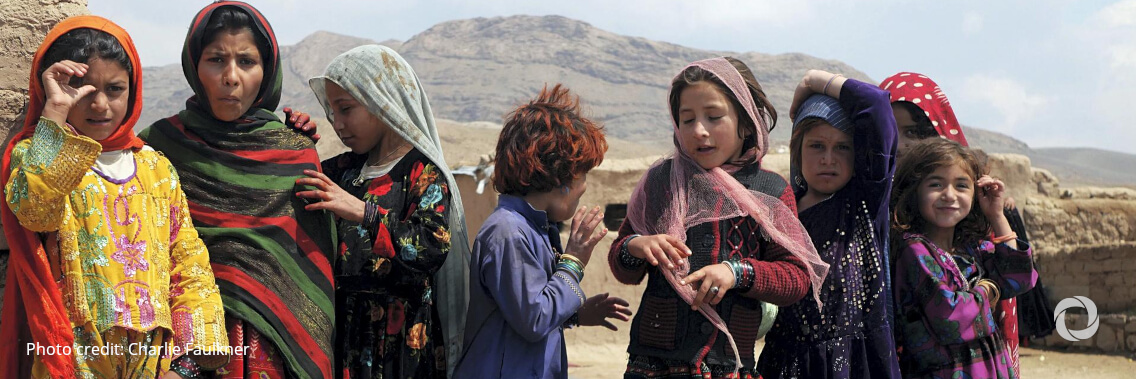
Henrietta Fore, the head of the UN children’s agency, UNICEF, which has been providing aid and support to Afghan children for 65 years, that she anticipates the humanitarian needs of women and children to increase over the coming months, amidst severe drought and consequent water scarcity, and the ongoing consequences of the COVID-19 pandemic.
“Millions will continue to need essential services, including health, lifesaving vaccination drives against polio and measles, nutrition, protection, shelter, water, and sanitation”, said Ms. Fore. “In recent years, significant strides have been made on increasing girls’ access to education – it is vital that these gains are preserved, and advocacy efforts continue so that all girls in Afghanistan receive a quality education.”
UNICEF is scaling up its lifesaving programs for children and women and hopes to expand these operations to areas that could not previously be reached because of insecurity. Ms. Fore urged the Taliban, now effectively in control of Afghanistan, to ensure that the agency and its humanitarian partners have safe, timely, and unfettered access to reach children in need wherever they are.