
Add us as your preferred source on Google to see more of our content in Search.
 Add to Preferred Sources
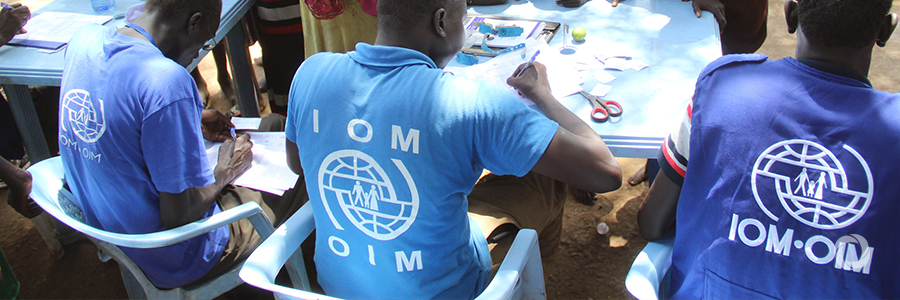
IOM distributed essential relief items to over 3,400 vulnerable households in South Sudan’s Lainya County. The distribution included blankets, sleeping mats, mosquito nets, cooking sets, bags, plastic sheeting, household water treatment supplies, buckets, collapsible jerry cans and soap.
Thousands had fled Lainya,and neighbouring areas in 2016 as fighting spread south from the country’s capital, Juba, toward the Equatoria region. While many people crossed the border to refugee camps in neighbouring Uganda, thousands fled to remote areas within South Sudan.
The distribution followed an IOM and partners-led mission in August, which verified reports of increased returns to the area. As their confidence in the security situation in Lainya improved, displaced people gradually started to return to the County.
August’s rapid assessment identified immense needs among those returning. South Sudanese returning from Uganda often walk for five days and have few belongings. Whilst those displaced within Sudan fled; leaving behind their belongings. Displaced families reported that their homes had been looted during the clashes.
Many of the displaced people reported that they missed the first distribution in July due to security concerns.
IOM ROLLS OUT COMPREHENSIVE HIV AND AIDS SERVICES AT POC SITES
Thousands now have access to HIV and AIDS counselling, testing, and treatment in South Sudan since IOM completed the roll-out of comprehensive HIV services at the Bentiu, Malakal and Wau Protection of Civilian (PoC) sites. In October 2017, an estimated 171,000 people, within PoCs and the host community, benefited from these services.
In 2016, HIV, AIDS and tuberculosis were among the leading causes of mortality in the PoC sites, where people are often unable to access health facilities outside the sites due to protection concerns or destruction of public infrastructure.
Ensuring access to quality health care services for internally displaced people is crucial to the development of South Sudan, as they are among the key populations considered to be at higher risk of HIV/AIDS.
Original source and full report: International Organization for Migration
Published on 31 October 2017