
Add us as your preferred source on Google to see more of our content in Search.
 Add to Preferred Sources
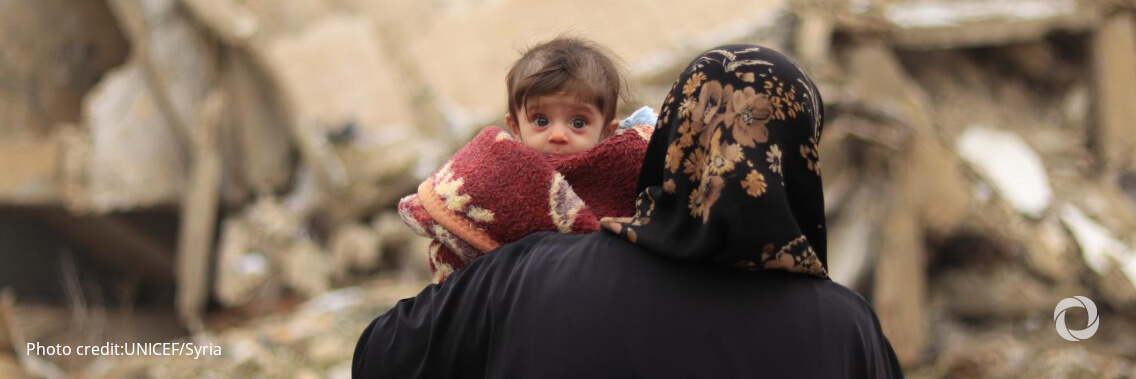
The EU Humanitarian Aid (ECHO) has contributed EUR€2 million in humanitarian support for the United Nations Children’s Funds’ (UNICEF’s) programs in Syria to help the most vulnerable children and their families across the country. With the new funding, UNICEF will be able to reach more than 126,000 children and their caregivers with essential protection, education, water, and sanitation services as well as life-saving cash transfers to the most vulnerable families.
“Over a decade into the conflict in Syria, the humanitarian needs of more than 13.4 million people in the country – 6.1 million of them children – are being compounded by the day,” said UNICEF Representative in Syria, Mr. Bo Viktor Nylund. “The continued, substantial support from the European Union has helped us to meet our commitments towards vulnerable children and families in Syria and ensure they can access critical services.”
The new contribution brings ECHO’s funding to UNICEF to a total of more than EUR€55 million since 2016.
“Many of the children we are helping in Syria through UNICEF have known nothing but war and displacement. After ten years of conflict and continued economic decline, their caregivers are struggling to provide them with the basics and keep them in school. Continued support to help and protect vulnerable children and their families is needed more than ever across Syria to ensure that their needs are addressed now and for their future to come,” said EU Commissioner for Crisis Management, Janez Lenarčič.
The multi-donor humanitarian action, supported by EU Humanitarian Aid, enables UNICEF to reach vulnerable people, including children with severe disabilities, with case management services and access to water, sanitation, and hygiene services access as well as provide out-of-school children with access to education.