
World Bank supports food security and higher incomes of farmers vulnerable to climate change in Bangladesh
Add us as your preferred source on Google to see more of our content in Search.
 Add to Preferred Sources
The government of Bangladesh and the World Bank signed a $120 million financing agreement to help improve the irrigated agricultural and fisheries production and increase the incomes of 170,000 poor people vulnerable to climate change.
The Climate-Smart Agriculture and Water Management Project will improve climate resilience by modernizing flood management, drainage, and irrigation infrastructures. The climate-resilient infrastructure and services will cover 120,000 hectares of land, which will reduce damage to crops from floods by 60 percent.
“Bangladesh’s success is well-rooted in the agriculture sector. With a large population and scarce arable land, it is a major accomplishment for the country to achieve its level of food production today. But the climate change and increased natural disasters pose threat to food security,” said Dandan Chen, Acting World Bank Country Director for Bangladesh and Bhutan. “The project will help Bangladesh sustain food security by protecting crops and fisheries through better flood management, irrigation and drainage systems with the active participation of local communities, and with particular emphasis on regulating the excess water during the monsoon and water deficits in the post-monsoon.”
The project has identified 19 Flood management, Irrigation, and Drainage schemes in poor and climate change vulnerable areas for rehabilitation. It will also provide training to 100,000 farmers on climate-smart agricultural technologies, diversification of crops, and post-harvest management. The project will also support the conservation of indigenous species and improve disease control and management.
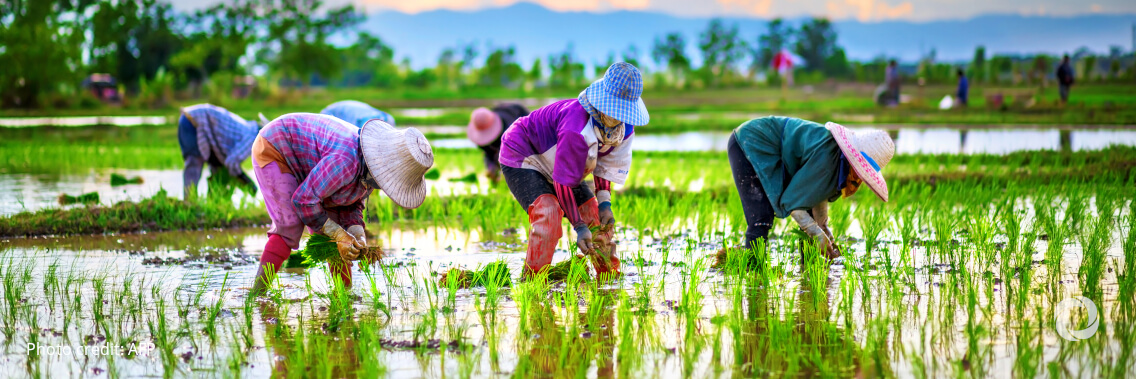
It will also support rice and fish/shrimp farming through the setting up of cold storage facilities and the improvement of local markets. This will improve the productivity of fisheries by almost 37 percent, vegetables by 10 percent, and rice by 7.5 percent.
The credit is from the World Bank’s International Development Association (IDA), and has a 35-year term, including a five-year grace period. Bangladesh currently has the largest ongoing IDA program totaling $14.8 billion. The World Bank was among the first development partners to support Bangladesh and has committed more than $35 billion in grants, interest-free and concessional credits to the country since its Independence.