
Add us as your preferred source on Google to see more of our content in Search.
 Add to Preferred Sources
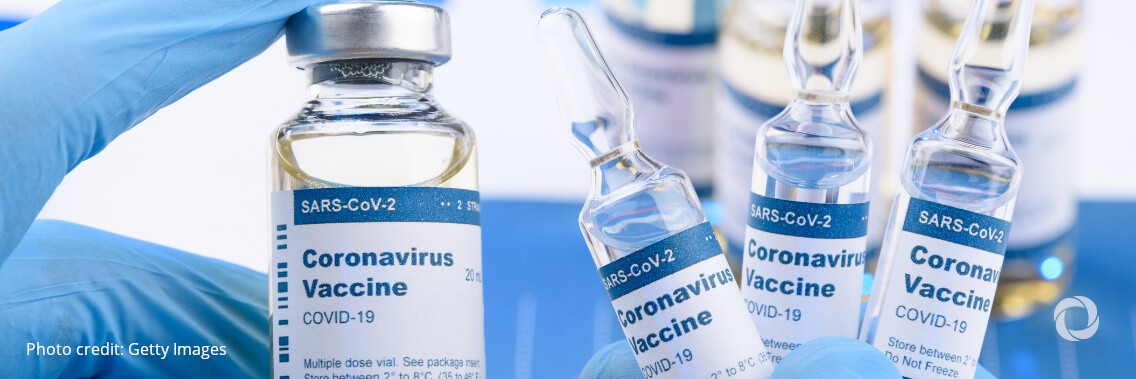
The United States has shared over 500 million safe and effective COVID-19 vaccine doses, free of cost, to more than 110 countries and economies around the world – for the sole purpose of saving lives.
Since the start of the pandemic, we have provided nearly $20 billion in health, humanitarian, economic, and development assistance to over 120 countries, including rapid response support for urgent health needs and technical assistance to expand vaccine access. The organization has also invested and supported the expansion of regional COVID-19 vaccine manufacturing in Africa and Asia. The US continues to work tirelessly with governments and international organizations, vaccine producers, NGOs, the private sector, and others to deliver vaccines, get shots in arms, increase testing and treatment, support and protect healthcare workers, and more. The recently announced COVID-19 Global Action Plan provides a clear roadmap for this international coordination.
Half a BILLION U.S.-donated #COVID19 vaccines. 110+ countries. Together, we can vaccinate the world. pic.twitter.com/baenAx0Z8C
— Samantha Power (@PowerUSAID) March 17, 2022
In Paraguay, the donation of two million Pfizer vaccine doses was quickly administered. The government set up a mass vaccination site based on a U.S. model and administered 500,000 doses within a week. In Zambia, the President’s Emergency Plan for AIDS Relief (PEPFAR) used American Rescue Plan Act funds to support the administration of nearly two million COVID-19 vaccines through more than 500 health facilities across Zambia’s 10 provinces as part of its work to combat HIV/AIDS.
In addition, a State Department grant helped Alfred Kankuzi in Malawi build his own app to respond to the rapid spread of misinformation and disinformation across social media. Called COVID-19 NEBA, or “Hey Neighbor,” the app is offered in three languages – Chichewa, Tumbuka, and English – and increases access to fact-based information from trusted sources including the U.S. Centers for Disease Control, World Health Organization, and Malawi’s Ministry of Health. Alfred has helped over 648,000 fellow citizens access accurate COVID-19 information.
In Thailand, State Department exchange alumni used a small grant to support Chiang Dao residents in the Chiang Mai Province. Alumni joined community organizations to create visual and audio media in seven local languages on COVID-19 prevention best practices, collaborated with public health officials to conduct COVID-19 prevention workshops for village health volunteers, and provided effective communication tools and techniques to village leaders to help residents stay updated on COVID-19 – reaching more than 70,000 people.
This work is critical because this pandemic is not over. Many lives are still at risk globally as countries contend with Omicron and we face the possibility of new variants. The United States will continue to work with partners and communities at every level to save lives and better prepare for future pandemics.