
Add us as your preferred source on Google to see more of our content in Search.
 Add to Preferred Sources
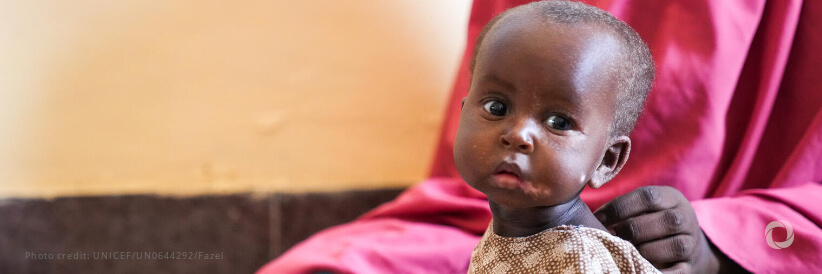
An estimated 386,000 children in Somalia are in desperate need of treatment for life-threatening severe acute malnutrition -exceeding the 340,000 children who required treatment at the time of the 2011 famine. The number of children facing this most deadly form of malnutrition has increased by more than 15 per cent in the space of five months.
Across Ethiopia, Kenya, and Somalia, more than 1.7 million children are in urgent need of treatment for severe acute malnutrition. Four rainy seasons have failed in the space of two years – killing crops and livestock and drying up water sources. Forecasts suggest the next October to December rains are likely to fail too.
All three countries have recorded a significantly higher number of severely malnourished children admitted for treatment in the first quarter of 2022 compared to the first quarter of 2021:
- In Ethiopia, admissions were 27 per cent higher.
- In Somalia, admissions were 48 per cent higher.
- In Kenya, admissions were 71 per cent higher.
Death rates are also concerning. This year, in some of the worst affected areas in the Horn of Africa, three times as many children have already died from severe acute malnutrition with medical complications in in-patient treatment centers compared to the whole of the previous year.
Water
Between February and May, the number of households without reliable access to clean and safe water almost doubled – from 5.6 million to 10.5 million.
War in Ukraine
The lives of children in the Horn of Africa are also at increased risk because of the war in Ukraine. Somalia alone used to import 92 per cent of its wheat from Russia and Ukraine – but supply lines are blocked. The war is exacerbating spiraling global food and fuel prices, meaning many people in Ethiopia, Kenya and Somalia can no longer afford the basic foodstuffs they need to survive.
These pressures are also impacting the response. The cost of the life-saving therapeutic food UNICEF uses to treat children with severe acute malnutrition is projected to rise by 16 per cent globally over the next six months, meaning UNICEF will require an estimated additional US$12 million more than expected in the Horn of Africa alone.
Funding
UNICEF and other agencies have been repeatedly sounding the alarm bell on this crisis. The organizations sincerely thank the donors who have made contributions – it is their support that has enabled us to respond the way they’ve been able. But the appeal is still drastically underfunded – the world has under a third of what it needs this year.
The international community – led by the G7 who will meet in Germany in June – needs to commit new, additional funding now to save lives. Focus on Ukraine cannot lead to neglect of other crises and ultimately more loss of life.
UNICEF also wants to see G7 leaders commit to acting early in future emergencies and investing in long-term resilience work – like nutrition, water, education and cash transfer programs. Somali children are living on the frontlines of the climate crisis now – this is not going away – the world needs to see a significant step-change from the donor community to adequately support families to weather these cyclical climatic shocks.
“If I may, let me end by sharing the story of just two of those children facing the impending catastrophe I have outlined. I am just back from Somalia. At a health center in the border town of Dollow, I met Ismayel and her one-year-old twin boys – Salman and Libaan. She is pregnant but the devastating effects of the drought had forced her to walk 120km to get her son treatment for malnutrition. Many children will not make it so far. I heard of children being buried along the roadside as their families make desperate, long treks to seek help, ” Rania Dagash- UNICEF’s Deputy Regional Director for Eastern and Southern Africa.