
Add us as your preferred source on Google to see more of our content in Search.
 Add to Preferred Sources
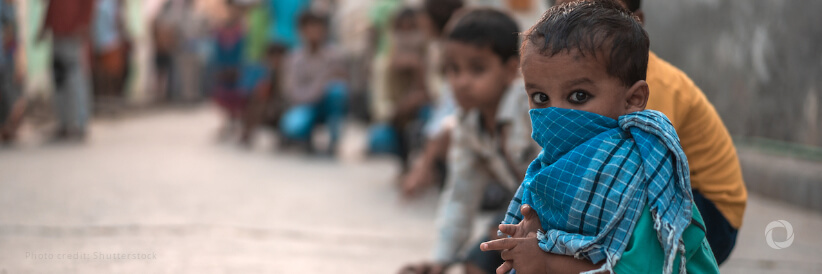
Millions of children are at risk of death unless immediate action is taken to fight the global hunger crisis, warn six of the world’s largest child-focused NGOs. The world is facing a hunger and nutrition crisis of unprecedented scale with one child already being pushed into severe malnutrition every minute, and 8 million children are at risk of death in 15 crisis-affected countries unless they receive immediate treatment.
Globally, almost 50 million people are living in emergency or catastrophic levels of acute hunger. The impact of such sheer volumes of people experiencing extreme hunger will have devastating and lifelong impacts on children’s rights to health, nutrition, education, protection, and survival.
The CEOs of the six largest child-focused NGOs, united under the Joining Forces Alliance, have come together to express their shared concern about the devastating impacts on children.
The organizations cannot wait for famine to be declared before acting
Famine is preventable and has no place in the 21st century. In 2017, the organizations demonstrated the power of collective action to avert famine in Somalia. As an international community, the world has a collective responsibility to ensure that urgent action is taken to prevent the deaths of hundreds of thousands of children. Plan International cannot wait for famine to be declared before acting. Over half the deaths in the 2011 Somalia famine, where 260,000 tragically lost their lives, took place before famine was declared. Half of all those that died were children under five years of age.
As organizations that work directly with children, families, and communities around the world they see daily the devastating toll that the compounding effects of conflict, climate change, COVID-19, and the ripple effects of the conflict in Ukraine are having.
Today, millions of children are facing the worst #HungerCrisis that the 🌎 has seen in decades. Children are dying now. We need your help, and we need it now. https://t.co/Nzb6Ie79yO
— Plan International (@PlanGlobal) June 28, 2022
The hunger and nutrition crisis is already having profound consequences for children including, threatening child survival and protection and increasing the risk of severe and acute malnutrition. Children are at heightened risk of violence, exploitation, and abuse due to dropping out of school, forced labor, recruitment and use by armed forces or armed groups, and family separation. Children without parental care are especially vulnerable to food insecurity and its multiple effects. Girls are at particular risk of a child, early and forced marriage, early pregnancy, school drop-out, sexual exploitation, and abuse. When food is scarce, girls and women often eat less and last.
The rights and needs of children must be prioritized in crisis response
The rights and needs of children must be prioritized in the response to this crisis. The organizations cannot continue with a business-as-usual approach. The response must be grounded in children’s needs and aspirations, and empower young people as agents of change.
Governments and donors must urgently act to prevent massive loss of life and protect children from lifelong lasting negative consequences for millions of children. Food security is not a privilege but a right enshrined in the 1948 Universal Declaration of Human Rights. International leadership and political will must drive both an immediate response and tackle the root causes of hunger, such as conflict, economic shocks, climate change, and unequal access to agriculture resources, through collaborative and locally driven solutions.
They commit to working together with governments and donors to ensure that children’s needs are prioritized through a gender-responsive multi-sectoral response spanning food security, nutrition, health, WASH, education, protection, and social protection systems, we can address the impacts of the food crisis while protecting lives and building resilience against protracted crisis and future shocks.