
Add us as your preferred source on Google to see more of our content in Search.
 Add to Preferred Sources
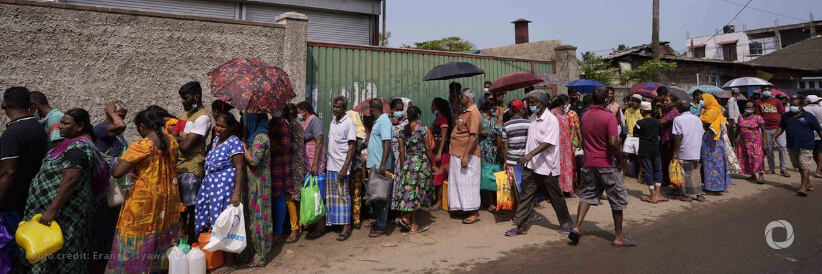
Sri Lanka’s economic crisis is driving millions of people into poverty, jeopardizing their rights to health, education, and an adequate standard of living, Human Rights Watch said. The Sri Lankan government should work with relevant financial institutions and partners to establish a new social protection system and obtain debt relief, adopt measures to ensure fair taxation, and address corruption at the highest levels of government.
Large-scale protests against economic mismanagement, corruption, and human rights abuses since March 2022, forced the resignation of President Gotabaya Rajapaksa, which led to Ranil Wickremesinghe becoming president on July 21. The new government has been negotiating with foreign creditors to restructure debts on which Sri Lanka defaulted in May, and with the International Monetary Fund (IMF) for a bailout. These discussions are unfolding amid a renewed crackdown on dissent, which has damaged the new government’s credibility.
“Sri Lankans are facing desperate food insecurity and other hardships, yet the new government is focused on repressing peaceful protesters and social activists,” said Meenakshi Ganguly, South Asia director at Human Rights Watch. “The government should be engaging with the public and international financial institutions to address Sri Lanka’s massive economic crisis.”
In July, Human Rights Watch interviewed 20 people in Colombo who were struggling to get by on dwindling incomes, with inflation over 50 percent, and some necessities nearly unobtainable at times. Those interviewed said they had cut back and were only eating two meals a day and were taking loans to meet basic expenses, such as electricity bills and rent.
The United Nations estimates that 5.7 million people in Sri Lanka need humanitarian assistance, with 4.9 million – 22 percent of the population – being food insecure, meaning they do not have consistent access to adequate, nutritious food. Families were already struggling from the pandemic, with 36 percent reporting reducing their food consumption in a UNICEF survey in late 2020. That number doubled to 70 percent in a survey conducted in April 2022, just as the economic crisis hit.
A police officer who earns rupees 45,000 (US$126) a month said his family was going into debt: “It’s affected me very badly.” A street sweeper with a 6-month-old baby said she joined the protesters calling for a change of government and action to address corruption. “When the baby was born a bar of soap cost 80 rupees,” she said. “Now it’s 210.”
Others were struggling to buy medicine, which the government previously provided. Following two years of disruption caused by the Covid-19 pandemic, schools had to be closed for a month because of fuel shortages and only reopened on July 25. Although in many cases lessons were provided online, many interviewees said they could not afford internet access for their children. Reports indicate that many children have been dropping out of school.
International financial institutions and governments that hold Sri Lanka’s debt or are involved in negotiations around debt restructuring have an international legal obligation to act to protect human rights in situations of economic crisis. Private creditors have a responsibility under the United Nations Guiding Principles on Business and Human Rights to address adverse human rights impacts with which they are involved.