
Add us as your preferred source on Google to see more of our content in Search.
 Add to Preferred Sources
UNHCR, the UN Refuge Agency is revising its funding requirements for people displaced inside Somalia and for Somali refugees in the region.
More than two million Somalis are currently displaced by conflict – now lasting for more than two decades. Some 1.5 million people are internally displaced in Somalia and nearly 900,000 are refugees in the region – including some 308,700 in Kenya, 255,600 in Yemen, 246,900 in Ethiopia, and 13,200 in Djibouti.
Apart from helping refugees in the region, the UNHCR appeal aims to cover needs of some 250,000 most vulnerable among the newly displaced – including those forced to leave Somalia due to drought and continued insecurity. UNHCR also needs resources to address return and reintegration of 50,000 returnees from Kenya and 10,000 from Yemen.
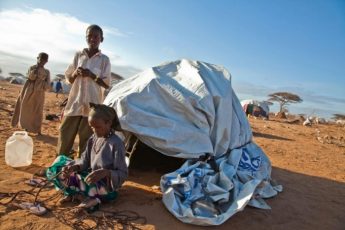
© UNHCR
The updated funding appeal is combined with our call for continued and sustainable international engagement with the government of Somalia and also refugee hosting countries in the region.
Insecurity, capacity of government institutions, curtailed humanitarian access, limited livelihood opportunities, lack of basic services, poor infrastructure are some of the key challenges in Somalia. The current risk of famine with reports of deaths and illnesses caused by drought-related factors is further complicating daily lives of Somalis. Inside Somalia, some 6.2 million people is in need of humanitarian aid.
In addition to conflict and famine-induced internal displacement, some refugees are returning to Somalia – mainly from Kenya (60,800) since December 2013) and Yemen (30,600) since March 2015. At the same time, large numbers of Somalis continue to seek safety across national borders. Since the start of the year, more than 4,500 Somali fleeing drought and continued insecurity have been registered in Melkadida, Ethiopia. Approximately 75 per cent of the newly arrived children are affected by acute malnutrition.