
Add us as your preferred source on Google to see more of our content in Search.
 Add to Preferred Sources
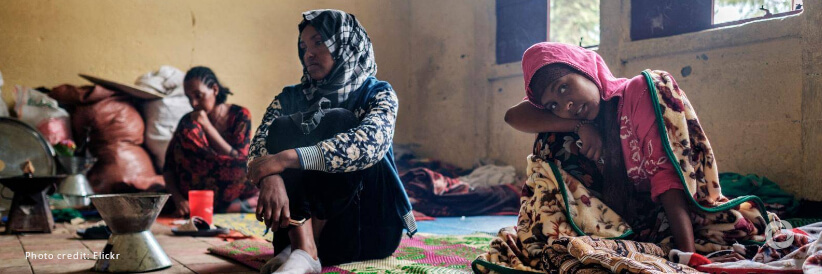
The combination of hunger, reduced incomes, and the skyrocketing cost of living creates huge amounts of stress on households and, devastatingly, women and girls are paying the price.
CARE’s Gender Justice Director, Amy O’Toole, explained, “Our new analysis highlights that when hunger levels increase, so does the risk of gender-based violence. We’re seeing this in crisis situations, but also in many other contexts around the world where people are struggling to put food on the table.”
CARE’s research with communities in Somalia, a country in the grip of an escalating hunger crisis, indicates a staggering 200% increase in violence against women and girls between 2021 and 2022, particularly intimate partner violence and rape.
“When food and water are scarce, women and girls often walk much longer distances in search of it, and particularly in conflict settings, this increases their likelihood of being assaulted or being coerced into exchanging sex for food”, said Amira Taha, CARE’s Global Coordinator for Gender-Based Violence in Emergencies.
„Imagine how terrifying it must feel to be desperately hungry and have to search for food for your family while fearing being attacked, ”Amira Taha, CARE’s Global Coordinator for Gender-Based Violence in Emergencies.
When there is not enough food to go around, some families take the extreme measure of marrying off their young daughters.
“Sadly, marrying off girls is increasingly being used as a way to cope in some of the world’s hunger hotspots,” said Ms. Taha.
Girls marrying young means they are less likely to stay in school and more likely to experience violence throughout their lives. Globally, girls married before the age of 15 are almost 50% more likely to have experienced either physical or sexual intimate partner violence than those married after 18.
”I wanted to continue school and participate in the girls’ group, but I surrendered to the pressure from my family, hoping their economic problems would be improved with one less mouth to feed”, Ayana, a 13-year-old girl from Ethiopia
Ms. O’Toole said, “It is critical that we take action to address the specific challenges faced by women and girls as a result of rising hunger, and continue investing in comprehensive programs that tackle the underlying causes of gender-based violence. But to do this effectively, we must harness women’s voices and leadership and upend the unequal power dynamics driving inequality and risk.”