
Add us as your preferred source on Google to see more of our content in Search.
 Add to Preferred Sources
Water is at the center of sustainable development. It drives economic growth, supports healthy ecosystems, and is essential and fundamental for life. With partners, UNOPS innovatively responds to humanitarian, development, and peace and security needs – bringing lasting change throughout the continent.
In Africa, 400 million people lack access to essential drinking water. The progress on Sustainable Development Goal (SDG) 6 – clean water and sanitation for all – is worrisomely off track. Achieving the related target of Agenda 2063 (Africa’s blueprint and master plan for transforming Africa into the global powerhouse of the future) of reducing the proportion of the population without access to safe drinking water is unlikely.
Despite a 5 per cent improvement since 2013, only 30 per cent of the sub-Saharan African population uses safely managed-to-drink water sources while the global average sits at 74 per cent. Across the continent, the most fragile countries are generally those with the poorest sanitation and water supply systems or where the water is too much, too little, or too polluted to use. In areas where water resources are shared, scarcity often triggers conflict.
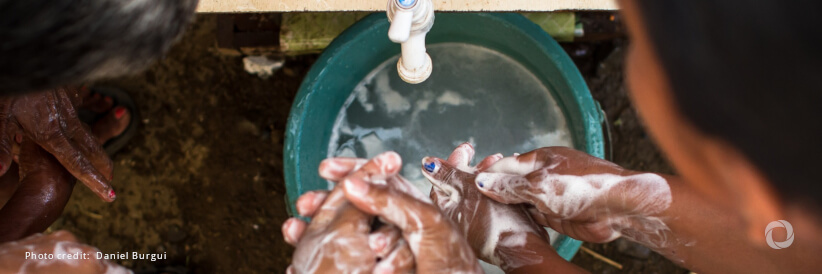
UNOPS supports partners with increasing access to quality water supply and functional sanitation systems in developing countries, especially in fragile environments such as Cameroon, Sudan, Yemen, and Zimbabwe.
As part of the UN 2023 Water Conference to be held in New York from 22-24 March, UNOPS and partners will come together for an event to discuss ways to mitigate water stress in Africa, focusing on fragile situations.