

Add us as your preferred source on Google to see more of our content in Search.
 Add to Preferred Sources
Kakhovka dam aid effort reaches 180,000 people, climate shocks set to worsen already fragile hotspots and number of displaced children reaches new high of 43.3 million. Here is what you missed from last week’s headlines in the international development sector.
Ukraine: Kakhovka dam aid effort reaches 180,000 people
Heavy rains and thunderstorms in the area of the Kakhovka dam disaster in southern Ukraine aggravated the humanitarian situation there, making evacuations and aid distribution harder. That’s the latest from the UN’s aid coordination office (OCHA), which tweeted that the UN and its humanitarian partners have delivered vital supplies, mainly water, hygiene items, and food, to cover the needs of nearly 180,000 people, despite the difficult conditions.
The number of people reached with aid is up five-fold since 9 June.
“Drinking water continues to be an issue”, and long-term solutions are needed immediately, the UN’s top official in the country, Denise Brown, said on Sunday, speaking from an evacuation point in Kherson city.
In a video tweet, she said that it was some solace at least to see “people coming together”, at a humanitarian hub she visited, which is supporting evacuees from the flood zone.
Volunteers, the authorities, agencies, and other humanitarians had brought supplies, clothes, support, and food, “to ensure that people like the people I have been meeting today…have a safe place to sleep, food to eat and support.”
Climate shocks set to worsen already fragile hotspots, Security Council hears
With an estimated 3.5 billion people living in “climate hot spots”, related peace and security risks are only set to heighten, UN Under-Secretary-General for Peace Operations Jean-Pierre Lacroix told the Security Council, warning that action must be taken to avert ever-worsening effects.
Climate shocks are triggering worsening security environments, from Afghanistan to Mali, and UN peacekeeping missions are taking steps to adapt, from reducing their carbon footprint to addressing myriad related consequences.
“Given the growing linkages of climate change, peace, and security as well as the broader changes to the conflict dynamics in the areas in which we work, we must continue to adapt,” he said.
He noted that the latest Intergovernmental Panel on Climate Change (IPCC) assessment report, showed that climatic and such risks as biodiversity loss and violent conflict will increasingly interact.
At the Security Council’s second formal meeting of 2023 to debate this trend, more than 70 speakers, including former Colombian President and Nobel Prize laureate Juan Manuel Santos, exchanged views on connections between climate change and worsening security.
Number of displaced children reaches new high of 43.3 million
By the end of 2022, a record 43.3 million children lived in forced displacement, according to UNICEF estimates, many of them for their entire childhood. The number of children forcibly displaced from their homes doubled in the last decade, outpacing efforts to include and protect refugee and internally displaced children. The war in Ukraine has forced more than 2 million Ukrainian children to flee the country and displaced more than 1 million children inside Ukraine.
“For more than a decade, the number of children forced to flee their homes has risen at an alarming rate, and our global capacity to respond remains under serious strain,” said UNICEF Executive Director Catherine Russell. “The increase is in step with the consistent onslaught of conflict, crises, and climate disasters around the world. But it also highlights many governments’ underwhelming response to ensure every refugee and internally displaced child can keep learning, stay healthy, and develop to their full potential.”
Of the 43.3 million children who were forcibly displaced by the end of 2022, almost 60% (25.8 million) were internally displaced by conflict and violence. The number of refugee and asylum-seeking children also hit a new record of 17.5 million, a number that does not even include those newly displaced in 2023, including by the conflict in Sudan. UNICEF estimates more than 940,000 children have been displaced because of the conflict to date. In addition, extreme weather events, such as the Pakistan floods and the Horn of Africa drought, led to another 12.0 million displacements of children over the course of 2022.
DevelopmentAid Editorials
Human freedom on decline: causes, consequences and solutions | Experts’ Opinions
Freedom plays a crucial role in achieving progress and eradicating poverty. Despite considerable efforts to strengthen human freedom, according to the recently published Human Freedom Index 2022, over 94% of the world’s population live in jurisdictions that witnessed a decrease in human freedom in 2020 compared to 2019. Thus, the population of the Syrian Arab Republic lives in the least free environment. At the same time, Switzerland is at the top of the list of countries with the highest level of freedom. To explain the causes, consequences, and solutions for achieving greater human freedom, we approached several international experts. Check out their opinions below.
Key Takeaways:
- The Human Freedom Index evaluates the state of human freedom in the world including personal, civil, and economic freedom.
- The endemic spread of disinformation, hate speech and the manipulation of foreign information online continue to erode the freedom of expression as a value in public consciousness and there is no effective recipe against this erosion so far.
- Societies as a whole are losing confidence and trust in human rights and democratic values – this is the most dangerous of all consequences, according to experts.
- According to experts, the continuing decline of human freedoms leads to decreased economic growth, increased poverty, diminished political and civil rights, greater corruption, and weakened democratic institutions.
Read the full article.
What is ESG and why it is important?
Global investment in environmental, social and governance (ESG) has tripled over the past few years. Moreover, the number of business leaders acknowledging the importance of ESG has been on the rise and the number of companies publishing sustainability reports has now reached an impressive level. On the other hand, experts have warned that countries with poor ESG ratings risk losing investment opportunities which could negatively impact economic growth in emerging markets.
Introduced in 2006 by the United Nations, the concept of ESG paved the way for a new era in corporate responsibility, becoming a platform for understanding how companies manage risks across three dimensions and contributing to higher transparency in reporting.
Read the full article.
Indigenous people struggle to survive squeezed within Brazil’s biggest city
In São Paulo, the largest city in South America, in the midst of buildings and a massive number of cars, there are indigenous territories trying to survive and maintain their culture. On the city’s highest mountain, Morro do Jaraguá, there are more than 500 hectares of forest that formerly belonged to the Guarani indigenous people. Over the centuries, this territory has been taken away from them until now today 2000 indigenous Guaranis live squeezed into an area of one hectare within São Paulo.
Read the full article.
Here’s what else has happened
Ireland: Ireland will provide €27 million in humanitarian support for the people of Syria in 2023, Tánaiste and Minister for Foreign Affairs Micheál Martin T.D has announced.
World Bank: The World Bank Board approved $400 million in financing for the Türkiye Climate Resilient Forests Project, to strengthen the country’s capacity to protect people and forests from wildfires.
UNRWA: The United Nations Relief and Works Agency for Palestine Refugees in the Near East (UNRWA) Director of Partnerships Karim Amer urged participants at the VII Brussels conference on “Supporting the Future of Syria and the Region” to include Palestine Refugees in their humanitarian assistance.
Sudan: In advance of the Sudan pledging conference that will be held on 19th June, CARE International asks for the United Nations appeal to be fully funded, to help save the lives of millions of vulnerable people affected by the ongoing conflict.
IFAD: An International Fund for Agricultural Development (IFAD) delegation to Fiji, Kiribati, and Tonga, led by Donal Brown, Associate Vice-President of the Programme Management Department, and Reehana Raza, Regional Director for Asia and the Pacific, met royalty, key government officials, farmers’ organizations and other partners to discuss investments to promote inclusive and sustainable agricultural growth in Pacific Island countries.
Reports
FAO Food Outlook: Global output set for expansion, but declining imports by the most vulnerable countries are a cause for concern
The world food import bill is forecast to reach a new record this year, though it is predicted to grow at a much slower pace compared to last year, as rising world prices, driven by higher quotations for fruits, vegetables, sugar, and dairy products, dampen demand, especially in the most economically vulnerable countries, according to a report released by the Food and Agriculture Organization of the United Nations (FAO).
FAO’s Food Outlook estimates that the global food bill will rise to $1.98 trillion in 2023, up 1.5 percent from 2022. It rose by 11 percent in 2022 and 18 percent in 2021.
Climate Risk and Early Warning Systems initiative helped protect 111 million people in 2022
An estimated 111 million people are better protected against climate-related hazards thanks to early warning systems put into place in 2022 by the Climate Risk Early Warning Systems (CREWS) Initiative.
An additional 282 million people in Least Developed Countries and Small Island Developing States should be covered by better weather and climate services in the next few years, according to the CREWS 2022 Annual Report. The annual report entitled “Delivering early warning for everyone,” maps how the initiative helps save lives, livelihoods, and assets in the world’s most vulnerable countries by building resilience against hazards like drought, floods, sand and dust storms, and coastal flooding.
African Development Bank Group Annual Report 2022: Bank Group demonstrates strong performance and commitment to African countries
The African Development Bank Group has released its 2022 Annual Report. The report shows solid performance over the year, recording a significant increase in lending to the Bank Group’s regional member countries in the face of a challenging global environment for Africa.
Events
How to Identify and Mitigate Procurement Fraud and Corruption Risk. Top Tips from Stephen Tosh | Webinar
DevelopmentAid, in collaboration with Stephen Tosh, invites you to attend the online webinar, How to Identify and Mitigate Procurement Fraud and Corruption Risk, featuring top tips from Stephen, which will take place on 29 June 2023 at 3 pm (Brussels)/9 am (Washington DC).
Key takeaways
- Procurement fraud and corruption risks
- Risk mitigation
- The 4-pillar framework approach to counter procurement fraud
Speaker
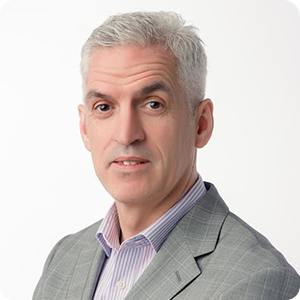 Stephen Tosh, Company Director at Global Risk Alliance Ltd and the author of Procurement Fraud and Corruption: How to identify and mitigate procurement fraud and corruption risk, is a qualified anti-corruption practitioner with knowledge of international criminal law and anti-corruption legal frameworks, with experience in both the public and private sectors.
Host
 Elizaveta Gładun, External Relations & Events Coordinator at DevelopmentAid.