
Add us as your preferred source on Google to see more of our content in Search.
 Add to Preferred Sources
The UN Relief and Works Agency for Palestine Refugees in the Near East (UNRWA) has been a lifeline for Palestine refugees across five fields of operation—including Syria, Jordan, Lebanon, the West Bank (including East Jerusalem), and the Gaza Strip (or Gaza)—since it started operations on the ground in 1950.
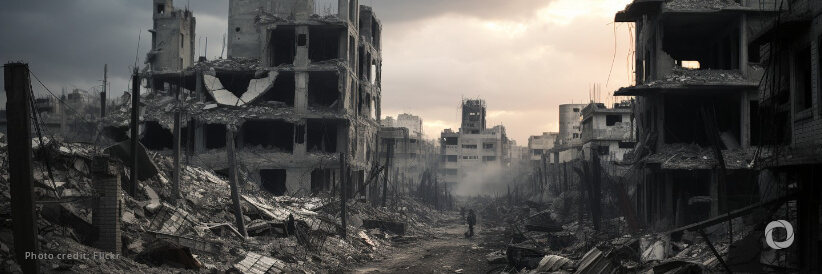
However, the situation in Gaza has reached a crucial point. This region is currently witnessing one of the most severe escalations of hostilities since 2007, following the Hamas takeover of the Gaza Strip, with relentless bombardments by Israeli forces from the air, sea, and land. The Gaza Strip is one of the most densely populated areas in the world, with over 2.2 million people who have lived under a blockade since 2007. The human suffering in Gaza calls into question the state of our collective humanity.
Gaza is facing a humanitarian catastrophe. After the recent announcement by Israel of a “complete siege”, Gaza is running out of essential supplies such as food, water, medicine, and electricity. The collapse of water and sanitation services and the shutdown of Gaza’s last functioning seawater desalination plant have raised serious concerns about dehydration and waterborne diseases.
Moreover, the long-standing blockage of Gaza and repeated cycles of violence over the years, have led to a critical nutritional crisis among Palestine Refugees in Gaza, particularly affecting vulnerable groups, including children, women, and older people. Anemia rates have become alarming despite preventive and curative efforts. Even before the current conflict, Gaza was grappling with a dire need for mental health and psychosocial support services. In 2022, 26.4 per cent of the population required such assistance, the highest among all areas of UNRWA operation. The current crisis is certain to exacerbate this need.
The ability to support people remotely during the current conflict has been affected dramatically due to the destruction of the toll-free line, as well as the collapse of the telephone network and internet services in Gaza. UNRWA is urgently appealing to all parties to facilitate a humanitarian corridor so the organization can reach all those in need of support. Rapid and unimpeded humanitarian access into and throughout Gaza is a matter of utmost urgency, as the continuation of the current situation will only lead to further loss of life, increased displacement, and mounting anger and disaffection.
UNRWA also implores all businesses, humanitarian organizations, and individuals to extend their support, including immediate supplies of food, health-care equipment and medicines, shelter, and other items essential to meet basic human needs. The people of Gaza are in desperate need of relief and support, and our collective humanity demands swift action to alleviate their suffering. AS is the Director of the UNRWA Health Department. GA-J is the Chief of the UNRWA Health Programme in the Gaza Strip.