
Add us as your preferred source on Google to see more of our content in Search.
 Add to Preferred Sources
The Global Green Growth Institute (GGGI) has called upon African and Korean leaders to work much more closely to bridge the climate finance gap and tackle the challenges of plastics pollution that the continent – and the world- faces to ensure a better, greener future for all.
Despite being the world’s most vulnerable continent to climate change, Africa receives less than 12% of the nearly $300 billion it needs annually to cope with the devastating impacts of the climate crisis.
Speaking at the High-level Forum on Accelerating Access to Green and Climate Finance for Africa and High-level Forum on Enhancing Sustainability and Global Collaboration on Plastics, African and Korean leaders and green growth champions called for more collaboration to tackle the world’s two key daunting challenges: access to climate finance and plastics pollution.
Both High-level Forums, held on June 4 on the sidelines of the 2024 Korea-Africa Summit, brought together close to 220 participants including policy and decision-makers, political leaders, researchers and academicians, climate change actors as well green growth champions from Africa, the Republic of Korea and the world.
“Success in achieving ambitious emissions reduction targets is dependent on the availability of significant climate or green finance, the current levels of which are grossly inadequate for a just transition in Africa. The continent needs access to sustained financial and technical resources from a wide range of sources, public and private, bilateral and multilateral, including alternative innovative sources. We need to step up climate finance in Africa through a range of initiatives including promoting innovative financial instruments and business models that can mobilize large-scale private-sector finance,” said H.E. Amb. Josefa Sacko, Commissioner for Agriculture, Rural Development, Blue Economy and Sustainable Development at the African Union.
“The severe consequences of climate crisis across communities in Africa are readily evident. Recent extreme weather impacts, such as the devastating droughts in Malawi and the widespread floods across Kenya and Tanzania, highlight the urgent necessity for enhanced action and investments to address the existential threat we face throughout the world. Accelerating green and climate finance will require us to be innovative and work together with all partners and stakeholders across sectors and industries, national borders and political lines, and generations and genders,” said H.E. Ban Ki-Moon, President of the Assembly and Chair of the Council, GGGI.
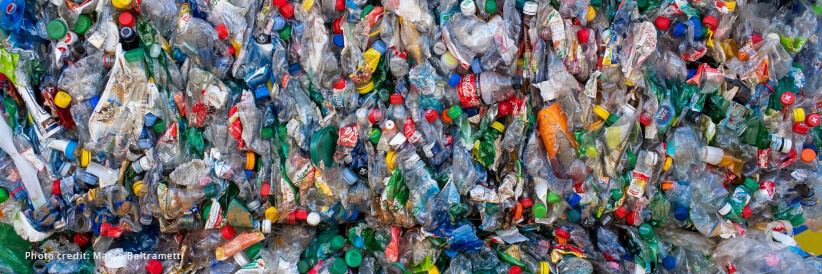
On the other side, plastic waste and pollution continue to have a hard impact on human health, leading to loss of livelihoods and biodiversity, exacerbating greenhouse gas emissions, and compromising ecosystem functioning – further fueling the global environmental crisis.
“To achieve sustainability in plastics, it will require us to prevent the use of plastic as much as possible and prioritize its alternatives, to ensure durability for more reuse in case used and guarantee recycling mechanisms to end plastic pollution. Furthermore, we must work together to enhance the accountability of producers and importers of plastic for safe and sustainable environmental management practices. We must act decisively on plastic to protect human health, biodiversity, and our planet,” noted Rwanda’s Minister of Environment, H.E. Dr. Jeanne d’Arc Mujawamariya, through a video message.
By organizing these events, the Global Green Growth Institute and the Ministry of Foreign Affairs, Republic of Korea, put a spotlight on the global challenges confronting Africa, emphasizing environmental sustainability and social inclusivity on the path to achieving sustainable development.