
Add us as your preferred source on Google to see more of our content in Search.
 Add to Preferred Sources
The Democratic Republic of Congo has declared its 16th Ebola outbreak, this time in Kasaï Province where the virus hasn’t appeared since 2008. The outbreak started with the death of a 34-year-old pregnant woman on August 20 in Bulape health zone, followed by deaths of a nurse and laboratory technician who treated her, according to an International Federation of Red Cross and Red Crescent Societies (IFRC) press release. Government figures show 28 suspected cases including 16 deaths, creating a 57% fatality rate.
Four healthcare workers have died among the 16 fatalities, highlighting the dangers facing frontline responders. The International Federation of Red Cross and Red Crescent Societies is working with DRC Red Cross, the health ministry, WHO, and humanitarian partners to deploy rapid response teams and strengthen surveillance. Over 2,000 doses of Ervebo vaccine sit ready in Kinshasa for immediate deployment to frontline workers and contacts.
The outbreak centers on Bulape and Mweka health zones, where response efforts face serious obstacles. Road access from Kinshasa takes three days, delaying team and supply deployment, while the nearest isolation unit has just 15 beds for the growing caseload. Genetic tests show this Ebola strain differs from the one found in Equateur province between 2007 and 2009, making response planning harder.
“Every hour matters when it comes to containing Ebola,” said Ariel Kesten, IFRC Kinshasa country cluster head of delegation.
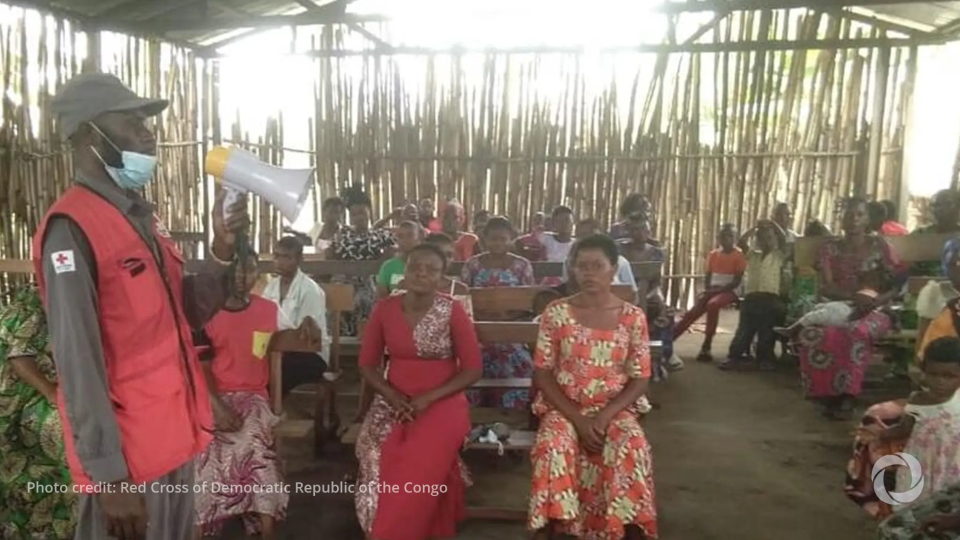
DRC Red Cross President Gregoire Mateso emphasized that volunteers work as “trusted neighbors” with community leaders, sharing accurate information through door-to-door visits and helping families stay safe. The teams focus on dispelling rumors and answering questions about the outbreak.
The IFRC and partners are calling for urgent international funding to prevent the epidemic from spreading further. The health ministry has asked communities to stay alert, follow prevention measures, and report suspected cases immediately.