
Add us as your preferred source on Google to see more of our content in Search.
 Add to Preferred Sources
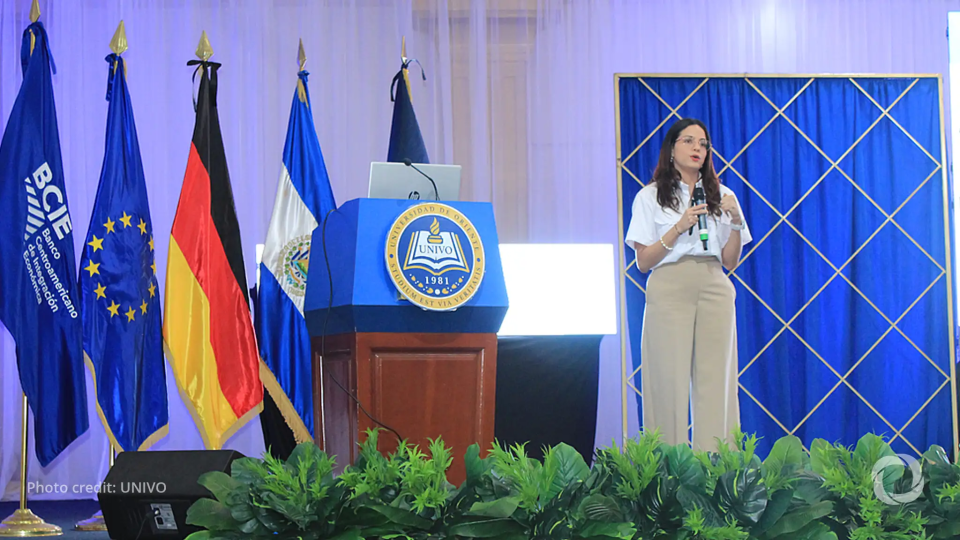
Over 200 business leaders, academics, and tech experts gathered in El Salvador for the INNOVATEC Business Congress focused on artificial intelligence and digital transformation for small enterprises, according to a press-release by Central-American Bank for Economic Integration (CABEI). CABEI, Germany’s KfW development bank, and the European Union supported the September 12 event through their DINAMICA II Initiative.
The event, hosted by the University of Oriente and entitled “Business Strategy in the Age of AI: A Meeting of Latin American Minds”, created a learning platform where entrepreneurs could exchange knowledge about digital solutions for business challenges. Keynote speakers covered digital transformation, AI applications, and the current state of small enterprises across Latin America. Seven business leaders received recognition for innovative initiatives demonstrating resilience, growth, job creation, and female leadership.
The DINAMICA Initiative aims to boost economic development across Central America by strengthening young, innovative small and medium enterprises while improving access to financial services. The collaboration between CABEI, KfW, and the EU shows international commitment to helping Central American businesses compete in the digital economy.
CABEI has significantly increased its support for small and medium businesses across Central America and the Dominican Republic over the past three years. The bank just rolled out a $150 million credit line that should help around 1,375 Guatemalan companies and create over 75,000 jobs. It also put $35 million toward working capital in 2025 to keep businesses running. Working with more than 100 local banks and lenders, CABEI now backs thousands of small firms in Guatemala, Panama, Costa Rica, El Salvador, Nicaragua and the Dominican Republic. The money flows to all kinds of businesses – farms, shops, construction companies, and energy firms – helping them stay afloat and hire more workers.