
Add us as your preferred source on Google to see more of our content in Search.
 Add to Preferred Sources
Nearly 14 million people could face severe hunger by year’s end as humanitarian funding cuts threaten six critical World Food Programme (WFP) operations, the agency warned. Programmes in Afghanistan, Democratic Republic of Congo, Haiti, Somalia, South Sudan, and Sudan are already facing major disruptions that will only get worse.
WFP Executive Director Cindy McCain said “every ration cut means a child goes to bed hungry, a mother skips a meal, or a family loses the support they need to survive.” The agency expects to receive 40% less funding this year, dropping its projected budget to $6.4 billion from $10 billion in 2024. The cuts could push 13.7 million people who receive WFP food assistance from crisis to emergency levels of hunger – a one-third increase.
The funding crisis comes as global hunger reaches record highs, with 319 million people facing acute food insecurity and 44 million at emergency level. Famine has taken hold in Sudan and Gaza Strip, while roughly a quarter of DRC’s population – 28 million people – are food insecure. In Afghanistan, dramatic reductions mean food assistance reaches less than 10% of those who need it despite soaring malnutrition rates. WFP had planned to feed 2.3 million people in DRC this month but has been forced to cut that to 600,000, with a complete pipeline break possible by February.
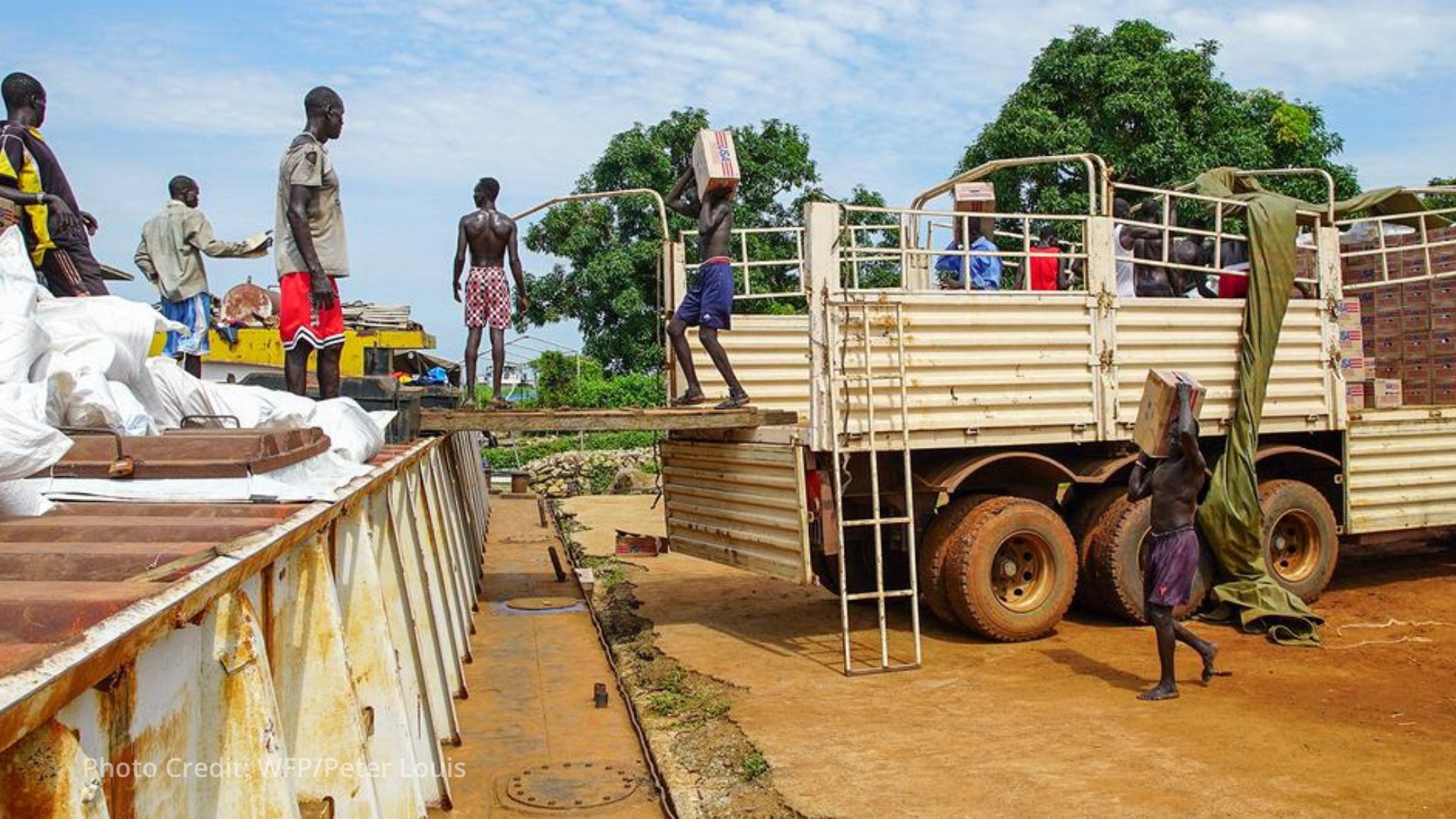
The cuts are having devastating effects across all six operations. In Haiti, hot meal programmes have already stopped and families are receiving half the standard monthly rations. Support in Somalia has been downsized repeatedly from 2.2 million people last year to just 350,000 in November. All WFP food recipients in South Sudan now get reduced rations that will be missing some food items from October as in-country stocks run out. Sudan remains the most challenging, with WFP currently supporting four million people monthly while 25 million people – half the population – face acute food insecurity.
McCain warned that “we are at risk of losing decades of progress in the fight against hunger” and that even hard-won gains in the Sahel region could be wiped out without continued support. The agency had lifted 500,000 people out of aid dependence there through integrated food assistance and resilience programmes. For the first time in nearly a decade, there are no contingency stocks for hurricane season in Haiti and no pre-positioning of food in Afghanistan as winter approaches. These preparation failures show how funding cuts affect not just current operations but future emergency response capacity.
Despite the cuts affecting operations differently, WFP remains committed to delivering food assistance in the world’s hungriest places. McCain stressed that “the devastating harm inflicted by cuts to food assistance not only threatens lives, but also risks undermining stability, fueling displacement, and stoking wider social and economic upheaval.” She called swift and effective food assistance “a vital bulwark against chaos in nations already struggling to cope.” The funding shortfall threatens to reverse years of progress in fighting hunger just when the world needs humanitarian support most.