
Add us as your preferred source on Google to see more of our content in Search.
 Add to Preferred Sources
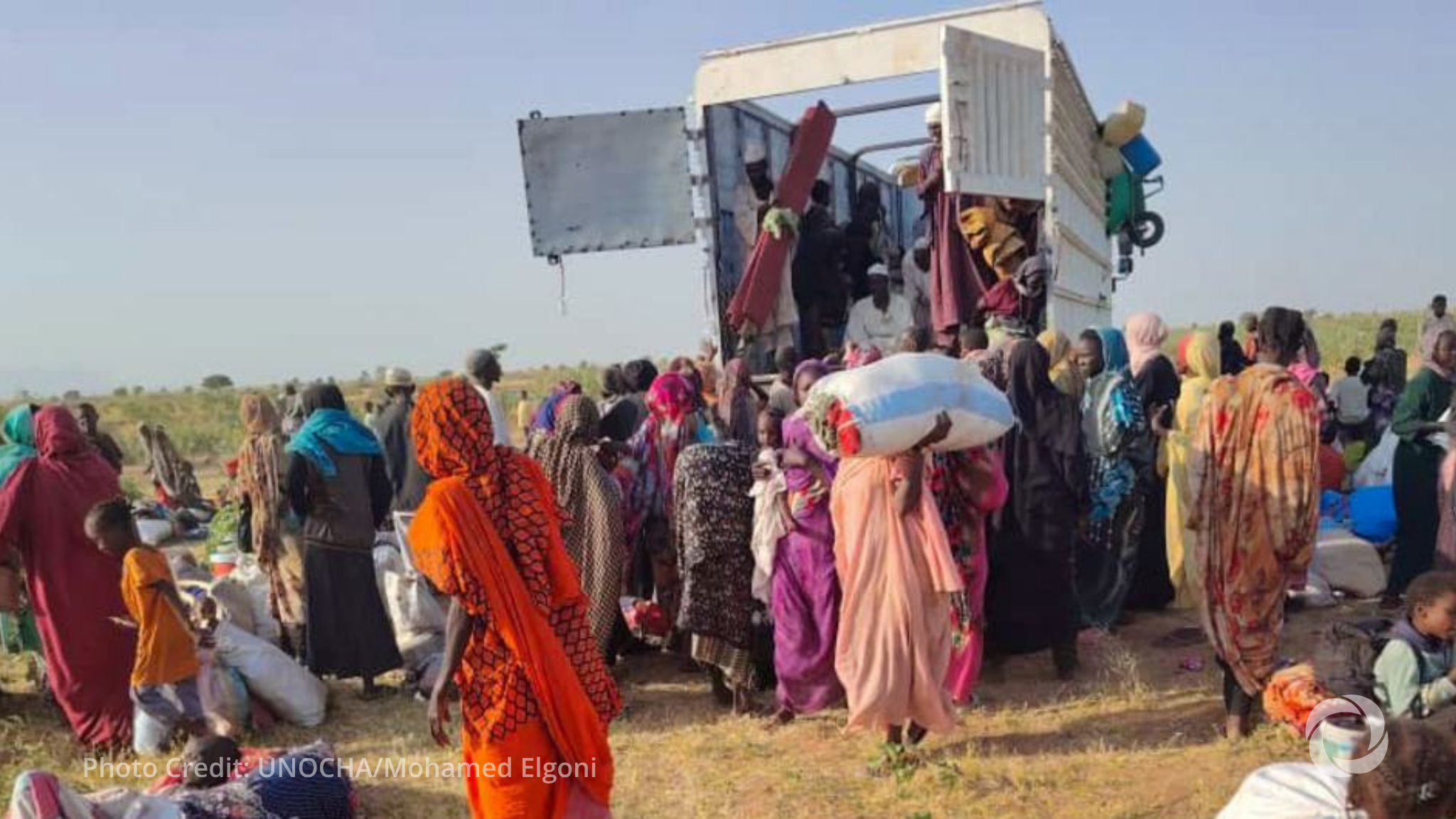
Nearly 89,000 people have fled El Fasher and surrounding areas in Sudan’s North Darfur region since the Rapid Support Forces captured the city in late October after more than 500 days of siege, the United Nations (UN) aid coordination office reported. The RSF has been battling Sudan’s military government since April 2023. People have fled from Tawila, Melit, Saraf Omra, and other towns, with some families seeking refuge in Tina, near the Sudan-Chad border, where host communities and UN partners are already overwhelmed and preparing for new arrivals.
Violence is also increasing in the Kordofan region, causing more civilian casualties and new waves of displacement. The UN has called for an immediate end to hostilities and the protection of civilians and aid workers, an end to attacks on hospitals and civilian infrastructure, and unhindered access to aid. UN Deputy Spokesperson Farhan Haq told correspondents in New York that the situation continues to worsen across multiple regions.
The UN Secretary-General’s Personal Envoy for Sudan, Ramtane Lamamra, has invited the combatants to enter technical talks with the UN focused on de-escalation and the protection of civilians. The envoy has held consultations with the African Union, Egypt, Saudi Arabia, the United Arab Emirates, the United States and others. The UN is working with partners on securing a ceasefire following two and a half years of brutal war and getting unimpeded humanitarian access, but “so far there’s been no real progress to report,” Haq said.
The crisis on the Chad-Sudan border is made worse by climate change, according to a new report released by UNHCR. By the middle of this year, 117 million people had been displaced by war, violence and persecution worldwide, while some 250 million have been internally displaced due to weather-related disasters over the past decade. Sudanese who have sought refuge in Chad face a desperate humanitarian situation—those who recently arrived receive less than 10 liters of water a day, far below emergency standards.
Chad and South Sudan, where nearly 1.3 million people have fled to from Sudan since the fighting began in April 2023, are among the countries least equipped to cope with the climate emergency. The combination of conflict, mass displacement, and climate impacts has created a compounding crisis that threatens to overwhelm both host countries and humanitarian responders. The links between conflict and the climate emergency continue to grow, placing displaced populations in increasingly vulnerable situations.