

Add us as your preferred source on Google to see more of our content in Search.
 Add to Preferred Sources
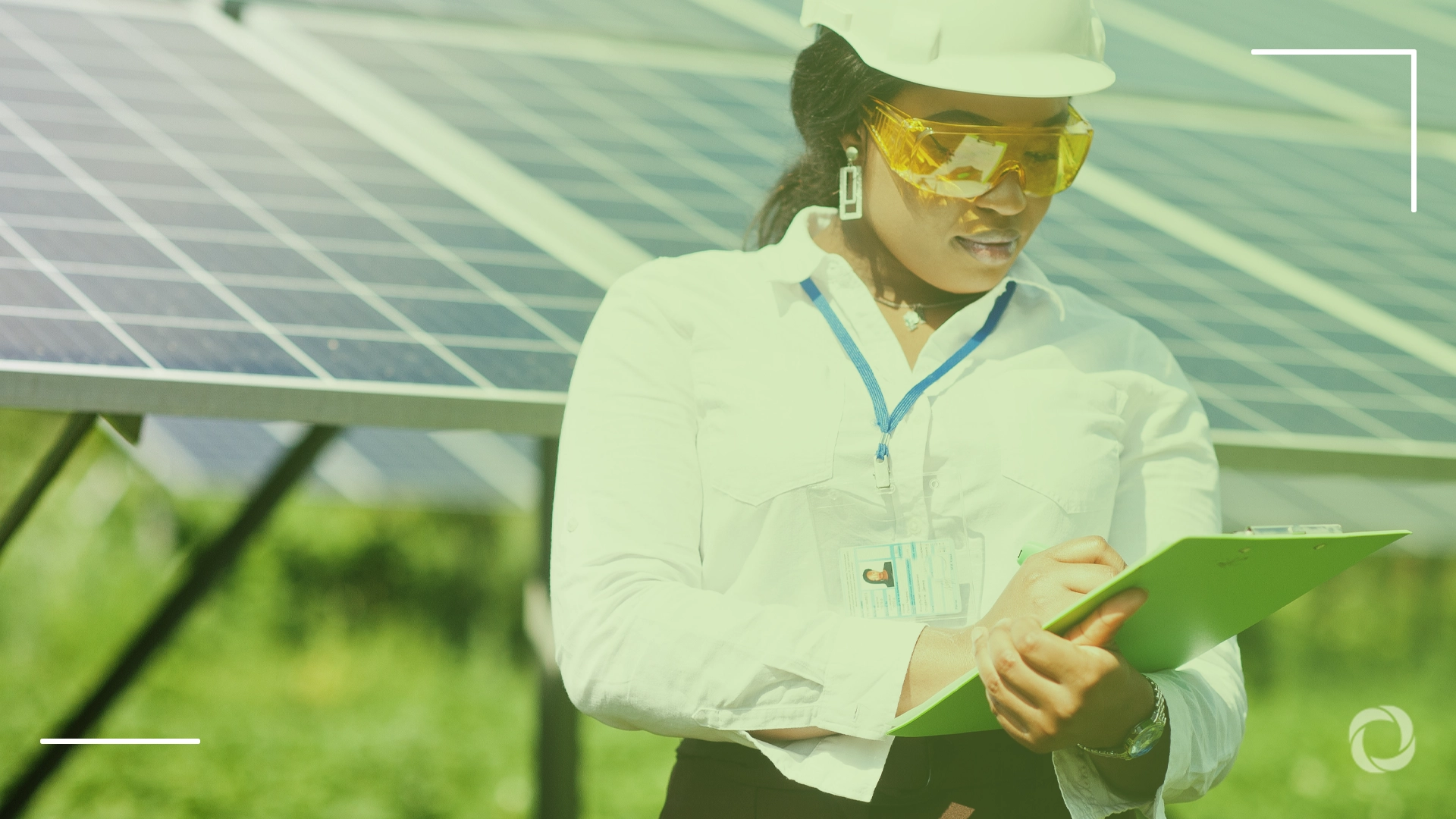
In 2024, only 25% of Africa’s electricity came from renewable energy sources, far below the global average of 41%. As the transition to green energy stumbles, the role of Africa’s women in driving it forward is becoming increasingly important. Their role as decision-makers, entrepreneurs, and community leaders can encourage the widespread adoption of renewable technologies across the continent.
Exploring this opportunity, various donor organizations are supporting women-centered programs and ventures that are investing in renewable energy. The programs mainly focus on establishing business incubators for women, leadership opportunities, skill enhancement, grants, and access to renewable energy entrepreneurship. In this DevelopmentAid article, we investigate several Africa’s women-led clean energy initiatives, and define their role in propelling the continent’s energy transition.
How do women advance green energy transition in Africa?
The women-led initiatives and ventures are inspiring Africa’s energy transition by promoting innovation and access to clean energy for poorer households.
✔️ Expanding access to energy: Since 89% of women in sub-Saharan Africa are the primary or co-decision-makers for household purchases, they influence the use of clean energy products such as clean cookstoves and solar products. They also prefer renewable energy for household products as it reduces the time and effort of chores like cooking and water collection. By replacing fossil cooking fuels with renewable alternatives in daily household activities, the initiatives therefore expand access to clean energy and promote a sustainable environment.
✔️ Ensuring low-income households have access to clean energy technology. Women are the best sales agents of clean cooking stoves with a study undertaken in Kenya finding that women entrepreneurs achieved more sales than men This is mainly due to the innovative ways they use to approach low-income households in remote areas. By employing women as sales agents, green energy transition activities can address energy poverty and promote economic independence among the vulnerable.
✔️ Diversifying innovation: The transition to renewable energy requires innovative solutions and a diverse talent pool. The female workforce brings a different concept to the traditional male-dominated energy sector, and is increasing creativity, innovation, effective decision-making, and profits. Energy initiatives are employing more women due to their problem-solving abilities and community-driven ideas, which encourage inclusive energy solutions to communities.
Women-led initiatives promoting green energy transition in Africa
Here are the top 10 women-based programs and ventures that are expanding the use of clean energy in Africa.
1️⃣ M-Kyala Ventures (East Africa). This project has developed an ecosystem that integrates women in all categories of the entrepreneurial network. It has driven transitions in sectors like reforestation programs, grants provision, technical support, and financial inclusion. As of 2025, the project has helped at least 500 women and girls and mobilized more than US$1 million capital for women-led enterprises.
2️⃣ Clean Technology Hub Program (Nigeria). This program provides seed funding and capacity-building to women-focused climate innovations. It initiated the She Sustains Accelerator program in 2024, where women gained access to a pool of investors and more than US$10,000 of equity-free funding. It has also supported at least 60 women-led start-ups that are working on clean energy solutions through research, development, and incubation.
3️⃣ Canada-IFC Renewable Energy Program for Africa. This initiative focuses on increasing gender-responsive economic growth. Its initial budget of CA$150 million in subsidized capital and CA$5 million in advisory financing aims to expand renewable energy access in Africa. The advisory funding supports gender inclusion in clean energy value chains. The beneficiaries receive financing to reduce the job and asset gaps between men and women in the sub-Saharan energy sector.
4️⃣ Solar Sister. Located in Rwanda, Uganda, and South Sudan, this initiative supports local women to develop clean energy enterprises. Women are trained to sell solar lanterns, household systems, and clean cookstoves in underserved areas without electricity. Since its inception in 2009 to 2023, Solar Sister has developed micro-enterprises for 171 women entrepreneurs, indirectly benefiting over 31,000 Africans with solar power.
5️⃣ Women in Energy Network Africa (WEN-Africa). This World Bank-supported initiative promotes gender equality in the energy sector by providing technical training, STEM education, and entrepreneurial support to African women. The program has driven gender-responsive change in the energy sector by securing gender equity commitments from more than eight national energy companies.
6️⃣ ElleSolaire (Senegal). This venture trains and supports women entrepreneurs to sell solar products such as pico lanterns, phone chargers, and home systems. Through the ElleSolaire Academy, the program provides women with vocational training and skills development. In 2023, it delivered solar-powered lighting to at least 100,000 people in rural Senegal and energized over 27 health clinics. Solar power has expanded energy access and community empowerment for underserved populations.
7️⃣ WomHub (South Africa). This accelerator initiative has supported at least 2,000 STEM-business founders in financing and STEM education across 30 African countries. It has also supported the Solar Power Cafe, which provides automated solar backup for small enterprises and women start-ups specializing in HVAC design to reduce energy use.
8️⃣ RETTI Wave Solar Training Program (Nigeria). This Renewable Energy Technology Training Institute (RETTI) initiative provides training for solar panel design and installation, and clean energy entrepreneurship. It also equips youths, women, and underprivileged students with employability skills to expand Nigeria’s renewable energy workforce. The initiative has trained at least 4,000 solar technicians and entrepreneurs, supported over 750 solar projects, and created over 6,500 clean energy jobs.
9️⃣ WindEnergy Africa (Zambia). This women’s initiative is committed to the last-mile distribution of sustainable and clean energy for cooking and lighting. The company has connected over 8,500 off-grid households, impacting 60,000 lives through its pay-as-you-go solar systems. It has also maintained a workforce where 60% of the employees and over 39% of its 600 + community ambassadors are women.
🔟 Green Girls Organization (Pan-African). This social enterprise uses AI to identify the clean energy challenges that women and girls encounter in rural areas. The participants are trained to develop biodigesters, create eco-briquettes from waste, and install solar panels. Through this initiative, the women and girls who have been trained save a minimum of US$200 in their initial business year, enabling them to expand their business and accrue income.
Wrap up
African women are actively participating in and leading the clean energy transition through their ventures and initiatives. The women-led ventures are boosting the energy transition and community resilience through training, and financing, and by providing leadership opportunities. However, they are facing challenges such as limited venture capital, weak policy support, and structural problems, which are hindering their long-term efficiency. Addressing these gaps is important in sustaining the impact of their ventures and achieving a clean energy transition in Africa.