
Add us as your preferred source on Google to see more of our content in Search.
 Add to Preferred Sources
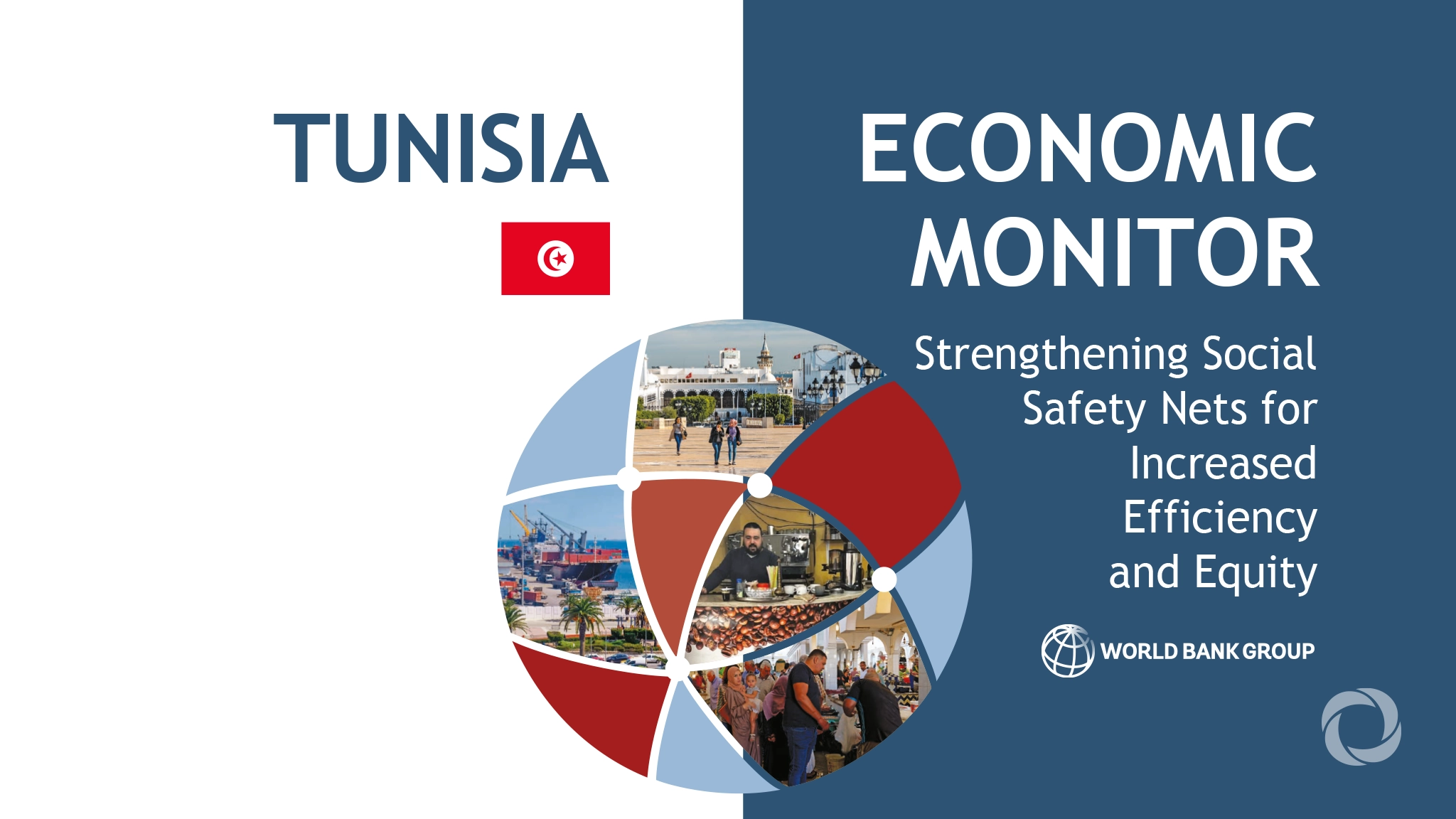
Tunisia’s economy is clawing its way back, driven by stronger farm output, a construction rebound, and a recovery in tourism, the World Bank said in its latest economic update. Real GDP grew 2.4 percent in the first nine months of 2025 after years of sluggish performance and lingering COVID-19 fallout. Growth is expected to hit 2.6 percent for the full year before leveling off around 2.4 percent through 2027, though structural headwinds like tight external financing, weak productivity, and low investment continue to hold back the medium-term outlook.
Inflation has cooled for seven straight months, dropping to 4.9 percent in October from a peak of 10.4 percent in February 2023, helped by lower global energy and cereal prices. Food inflation eased to 5.6 percent. The current account deficit widened to 2 percent of GDP in the first half of the year as imports climbed and exports stayed flat, but strong tourism receipts and remittances cushioned the blow. Foreign direct investment jumped 41 percent over the first seven months, mostly flowing into renewable energy, which has helped stabilize external accounts despite limited access to international markets. On the fiscal side, the budget deficit narrowed to 6.3 percent of GDP in 2024, while public debt sits at roughly 84.5 percent of GDP.
The report takes a close look at Tunisia’s social protection system, particularly cash transfer programs. The AMEN cash transfer program has been key to cutting poverty and inequality, tripling its coverage over the past decade to reach about 10 percent of the population. The World Bank recommends continued efforts to sharpen targeting, improve regional equity, and expand digital tools. It also stresses the importance of broadening economic inclusion and gradually extending insurance to informal workers as the country moves toward a more efficient and fair system.
Alexandre Arrobbio, World Bank Country Manager for Tunisia, said the country has made significant strides in covering the poorest populations. “In line with our focus on human capital and resilience in our partnership with Tunisia, improving the efficiency and equity of social safety nets could reduce inequalities and boost economic inclusion for vulnerable households,” Arrobbio noted. He emphasized that keeping macroeconomic stability, strengthening fiscal sustainability, and expanding well-targeted social protection will be essential for ensuring shared prosperity.
The report also highlights the need to improve the performance of public enterprises and create better conditions for competition and investment. These reforms, combined with stronger social safety nets, could help Tunisia sustain its recovery and build a more resilient economy that works for everyone.