

Add us as your preferred source on Google to see more of our content in Search.
 Add to Preferred Sources
Five reasons to read this story:
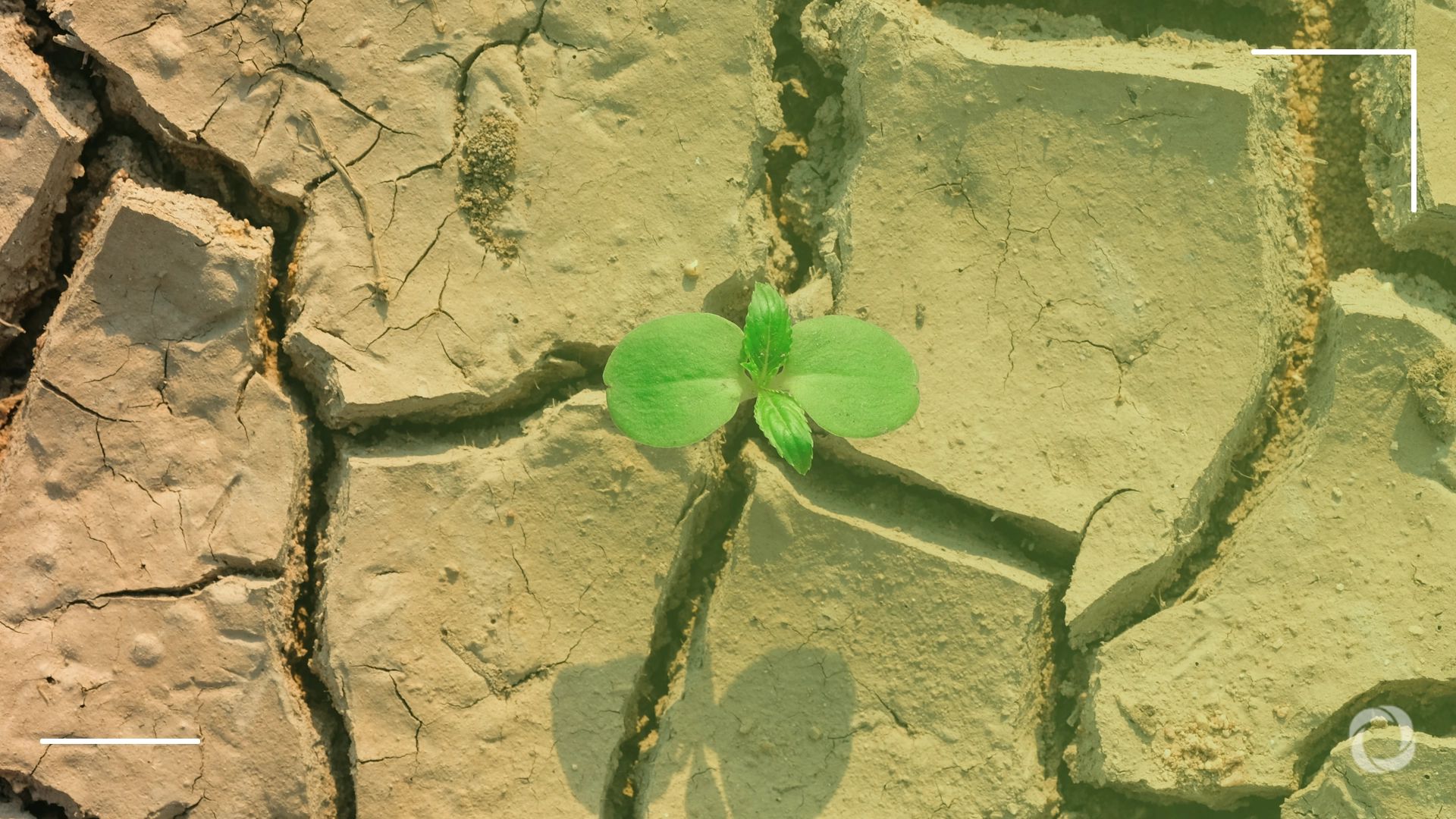
- Africa’s soil is dying, and so are its harvests. The world’s poorest continent is home to 40% of degraded land globally.
- The losses are staggering. Up to 100 tons of topsoil vanish from every hectare every year in some regions.
- It is a US$400 billion-dollar problem. Globally, soil erosion costs economies far more than many realize.
- The future of food and millions of human lives are at stake.
- The soil can recover, and this requires no magic, just a better understanding of this living organism and a respect for its composition and needs.
In 2022, Kagarko, a ginger farmer from Aribi in Kaduna, Nigeria, watched his harvest collapse from the usual 100 bags to just 10. A year later, Boniface, a yam farmer from Kogi State, suffered the same fate when her tubers were fewer, smaller, and barely worth storing.
Once, farmers in these communities built barns to hold abundant harvests, but now those barns are almost empty. Their land is losing life, its fertility being stripped away by years of monocropping, excessive pesticide use ,and soil exhaustion.
What is soil degradation and why it matters
Soil degradation means the loss of soil’s fertility, structure, or organic matter that once made the land productive. According to a 2024 report, one-third of the world’s soils are degraded, with over 40% of that damage being in Africa.
Among the most destructive forms of degradation is soil erosion, when wind and water strip away the nutrient-rich topsoil that is essential for plant growth. Each year, an estimated 75 billion tons of soil are lost globally, leading to around US$400 billion in financial losses, the same report noted.
In sub-Saharan Africa, soil erosion can strip up to 100 tons of soil per hectare annually, slashing yields by 30–50% on badly eroded land. If this trend continues, food production in parts of Asia and Africa could drop by up to 40% by 2035.
Human hand behind soil erosion
While soil erosion has natural triggers, human activities amplify the crisis.
Key causes include:
- Mono-cropping – growing the same crop year after year depletes specific nutrients and leaves fields bare between seasons.
- Heavy tillage – plowing along slopes loosens the soil, making it easy for water to wash it away.
- Overuse of chemical inputs – the excessive use of synthetic fertilizers and pesticides kills the organisms that keep soil alive.
Smallholder farmers, who produce roughly 30% of the world’s food, are among those most affected. Many have adopted intensive-farming methods such as mono-cropping, high pesticide and herbicide use, and heavy dependence on fertilizer without sufficient knowledge or support, resulting in productivity loss with little to no resources to fight the declining soil quality.
In East Africa, where smallholder farms dominate, most report declining soil fertility. Nevertheless, many continue to plant crops on the same land every year without giving the soil time or treatment to recover.
To give just a few examples:
- 87% of smallholders in Kenya use chemical pesticides.
- Over 70% of farmers in Ethiopia have reported an increasing use of pesticides in recent years.
- Over 30 African nations now run large-scale fertilizer subsidy schemes, largely benefiting small farmers.
As soils weaken, desperation grows. The World Bank has warned that soil erosion and land degradation are pushing millions towards hunger and even migration.
Restoring the soil: Lessons from regeneration
The good news is that degraded soil can heal. With the right practices, land can come back to life, and smallholders can lead the way in achieving this.
Education and extension services are critical first steps. Experience shows that smallholders are quick to adapt when they see proof that sustainable methods work. As a global panel notes:
“By witnessing demonstrable models… farmers worldwide can be convinced of the possibility of restoring their own degrading soils with the right regenerative practices.”
Across the globe, examples of successful regeneration abound:
Mount Kenya’s coffee highlands: Thousands of farmers in the Rainforest Alliance program began planting shade trees, using compost instead of chemical fertilizers, and keeping fields covered year-round. Within three years, many reported better coffee quality, higher incomes, and visibly healthier soil. The trees helped to stabilize slopes, reduce soil erosion, and lock moisture in during the long dry months.
Eastern Kenya’s STRAK initiative by Farm Africa: Over 20,000 farmers learned to mulch, plant trees, and apply fertilizers sparingly. The results showed improved soil structure, increased organic matter, and net financial benefits of over US$400 per hectare in some trial areas. The shift to agroforestry also drew carbon back into the ground and provided extra income through fruit and trees for timber.
Northeastern China: Research found that inserting cover crops (legumes and grasses) between maize rows to break the mono-crop cycle significantly improved soil nutrient cycling, dissolved organic carbon, and boosted yields.
The Netherlands: Even in high-input systems, regenerative pilot programs show promise. By planting cover crops, reducing tillage, and recycling nutrients within farms, Dutch farmers restored soil structure, reduced runoff, and maintained productivity.
One of the key levers is for farmers to reduce tillage. Every time the soil is turned, its structure weakens. If total no-till is not feasible, the next best option is to switch from endless mono-cropping to alternating crops, especially legumes or cover plants, which plug the nutrient drain and give the soil a chance to recover and build resilience.
The path forward
Restoring degraded land is not a quick process, but it is possible. Farmers need training, support, and incentives to transition towards soil-friendly methods. Governments, NGOs, and agricultural extension services should step in to bridge the gap.
The solution appears to be twofold:
- Stop the self-destructive cycle of overuse and depletion.
- Start rebuilding the soil through regenerative methods: no-till, crop rotation, cover crops, organic compost and agroforestry.
If smallholder farmers adopt these methods, they can protect the thin layer of life-giving earth beneath their feet. Doing so will not only secure their livelihoods, but also help to sustain agriculture and food systems across the continent.
See also: World Soil Day: restoring soil through regeneration of agricultural systems
Back in Nigeria, Kagarko and Boniface now understand what went wrong. With the right training and tools, their land could begin to heal