
Add us as your preferred source on Google to see more of our content in Search.
 Add to Preferred Sources
The Asian Development Bank (ADB) approved $381 million in financing for three projects to upgrade farming, education, and health services in Pakistan’s Punjab province, the bank said. Punjab accounts for more than half the country’s population and economic activity, and ADB Country Director for Pakistan Emma Fan said the investments will modernize agriculture, boost human capital, and improve livelihoods for millions.
A $120 million concessional loan and $4 million grant will back the Punjab Climate‑Resilient and Low‑Carbon Agriculture Mechanization Project, helping 220,000 rural farm households shift to modern, disaster‑resilient, and lower‑emission farming. The project will support farm mechanization, train 15,000 women for alternative livelihoods, and roll out a new financing model so small farmers can access advanced equipment. Punjab produces three‑quarters of Pakistan’s wheat, more than two‑thirds of its rice, and nearly all its maize but still depends on outdated machinery, which causes big crop losses. Farmers often burn crop residues, worsening air pollution and health risks. The project will promote tools like rice harvesters to cut waste and emissions.
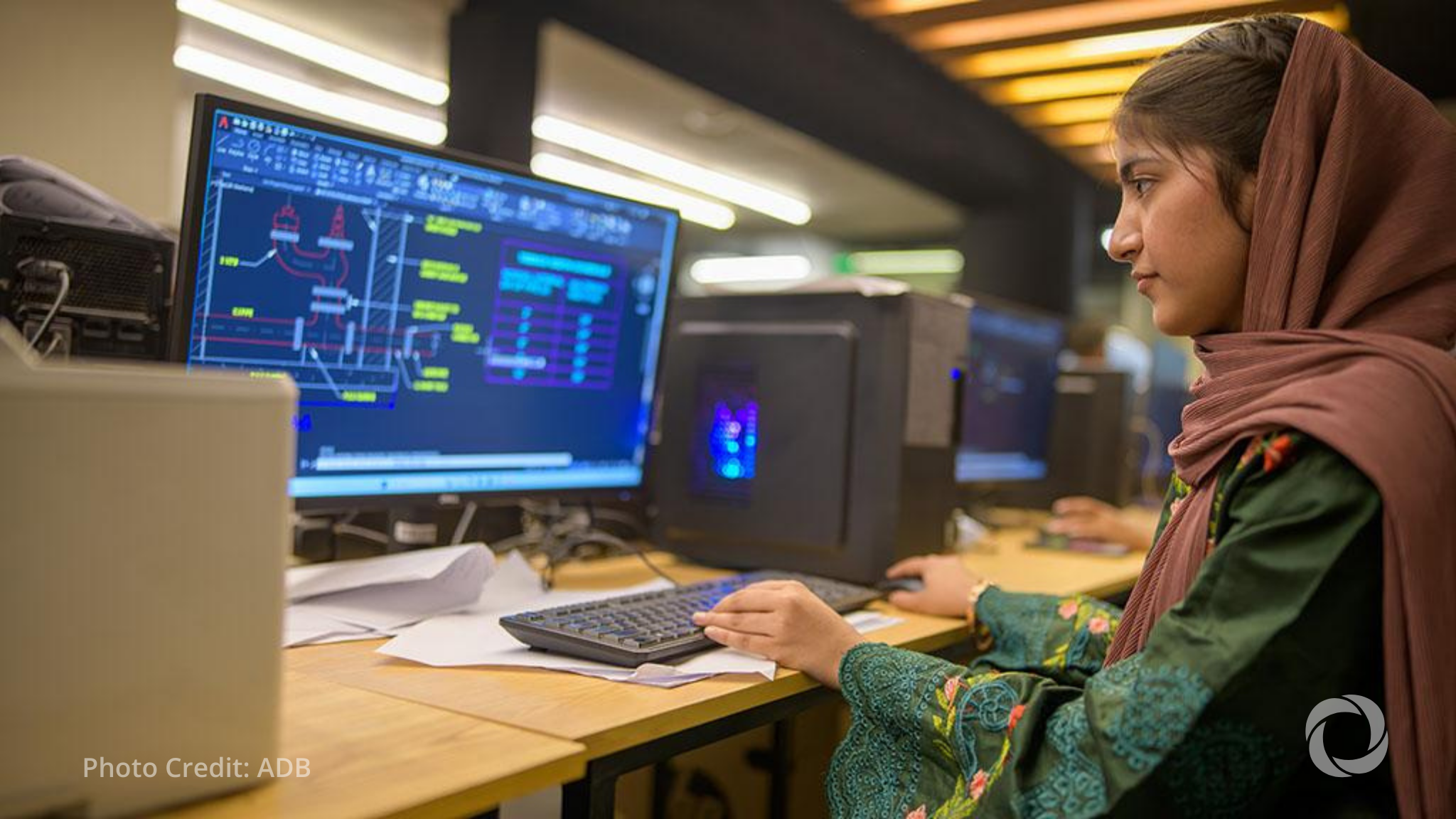
A second project will channel $107 million into secondary education, with a focus on STEM subjects. The Responsive, Ready, and Resilient STEM Secondary Education in Punjab Program—backed by a $7 million grant from the Asian Development Fund and a $100 million concessional loan—will expand access to quality science and technology learning, especially for students who currently fall through the cracks. The Punjab School Education Department will run the program.
The third project, a $150 million concessional loan, tackles Punjab’s shortage of qualified nurses at a time when global demand for trained nurses is rising. The Punjab Nursing and Health Workforce Reform Program will update nursing curricula, expand faculty training, and put in place a digital human resources system so workforce planning better matches health service needs. By expanding the pool of trained nurses—most of them women—the program aims to improve health delivery across the province and create more opportunities for nurses at home and abroad.
Three centers of excellence in Lahore, Multan, and Rawalpindi will house simulation labs, digital learning tools, and gender‑responsive hostels, helping build the skilled health workforce Punjab needs.