
Add us as your preferred source on Google to see more of our content in Search.
 Add to Preferred Sources
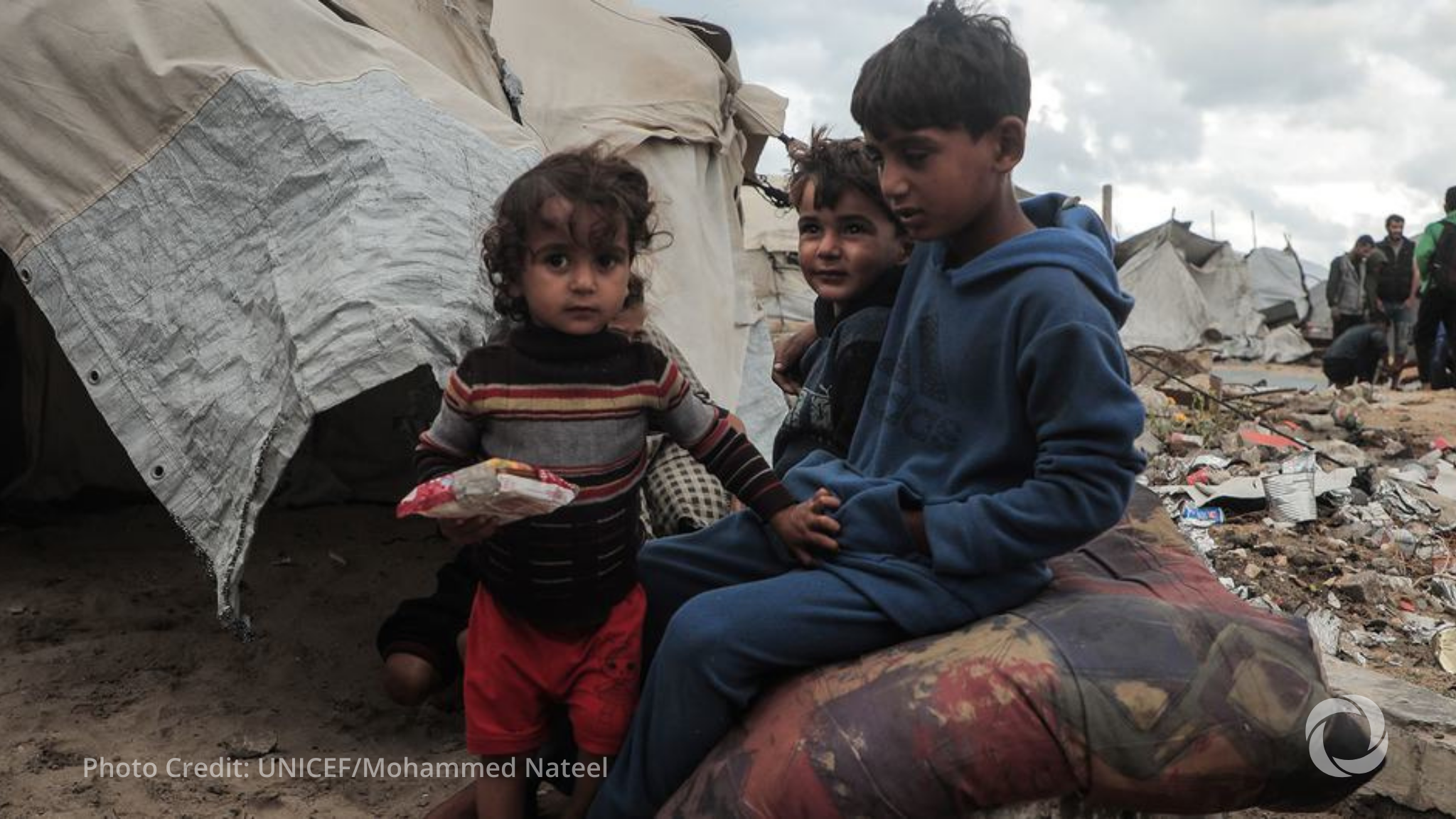
Humanitarian operations in Gaza are ongoing despite “significant restrictions and impediments,” with United Nations (UN) teams and partners offloading thousands of pallets of aid at border crossings every day, the UN aid coordination office OCHA announced. On Monday alone, nearly 4,000 pallets arrived at two crossings—Kerem Shalom/Karem Abu Salem in the south and Zikim in the north. About 65% of the pallets held food, 12% carried shelter items, another 12% were water and sanitation supplies, and 7% included health and nutrition materials.
The UN tried to coordinate five humanitarian movements with Israeli authorities on Tuesday. Three went ahead, one was approved but never got clearance to actually move, and organizers cancelled another. Despite the setbacks, teams were able to collect food and health supplies from Kerem Shalom and carry out other missions in areas where Israeli coordination wasn’t required, OCHA said.
On the education side, partners handed out more than 2,000 winter kits to children aged 12 to 14 and set up 58 specialized tents across 16 learning centers. The tents will expand classroom space for nearly 25,000 children. Mine action teams are also checking key areas for unexploded ordnance, with two assessments done on Monday to help clear rubble in Deir al Balah and Gaza City.
Meanwhile, more than 72,000 farming families in the West Bank need urgent emergency help, according to a new survey from the UN Food and Agriculture Organization. Around 90% of agricultural families have lost income recently, mostly due to steep drops in crop and livestock production and sales. FAO said support for farmers and herders is critical to keep food production going and prevent a deeper crisis.
“Agricultural families urgently need assistance – both cash and in-kind – to mitigate the impacts of widespread settler violence, a deepening economic crisis and near-ubiquitous loss of income,” said Rein Paulsen, FAO’s Director of Emergencies and Resilience.
Farming is a lifeline in the West Bank. Out of roughly 700,000 families there, about 115,000 rely on agriculture for their income, making it central to both food security and livelihoods. The Data in Emergencies survey shows mounting pressures—nearly 9 in 10 households, or about 100,000 families, have faced at least one major shock recently, including violence, rising costs, or job loss. They’re also dealing with limited water access, movement restrictions, land constraints, and high fuel and transport costs. The survey ran from July to August, the second time this year it’s been done.