
Add us as your preferred source on Google to see more of our content in Search.
 Add to Preferred Sources
The head of the World Food Programme (WFP) is calling on world leaders to stop man-made famines as global hunger reaches dangerous levels. Around 318 million people worldwide now face crisis-level hunger or worse, according to WFP’s 2026 Global Outlook released this week. Violent conflicts, extreme weather, and economic collapse are pushing hundreds of thousands into famine-like conditions, yet WFP has less than half the money it needs to respond.
“Barely two weeks into the new year the world is already confronting the risk of a dangerous and deepening global hunger crisis,” said Cindy McCain, WFP’s Executive Director. She warned that WFP’s early warning systems are flashing red about rising food insecurity. The agency needs $13 billion this year to reach 110 million of the world’s most vulnerable people but current funding forecasts fall far short.
McCain addressed WFP staff at the agency’s Rome headquarters, laying out priorities for 2026: expanding the funding base, using new technologies, and keeping frontline teams safe in increasingly dangerous conditions. She stressed that reaching vulnerable people faster and working more efficiently matters more than ever in complex crisis zones. WFP recently got approval for a four-year strategic plan designed to maximize impact with available resources.
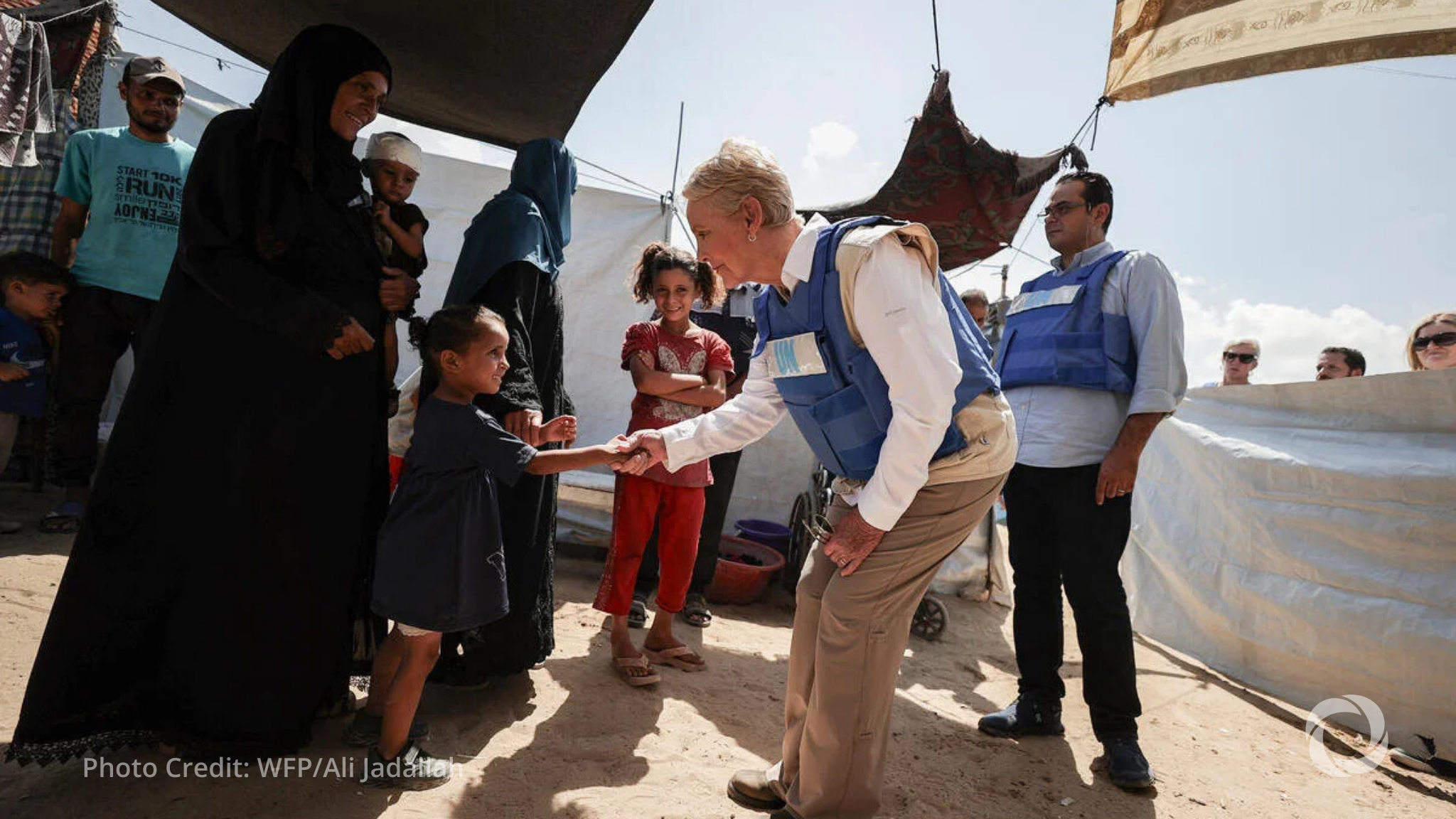
Operating environments are getting tougher. More conflict zones mean more risk for aid workers trying to deliver food and assistance. Without adequate funding, millions could be cut off from help—threatening both lives and regional stability. McCain, who regularly travels to the world’s most dangerous hot spots, has seen the consequences firsthand.
“WFP can’t end hunger on its own,” McCain said. “Today’s crises require swift, strategic and decisive action. I call on world leaders to step in earlier during humanitarian crises, rid our world of man-made famines, and most importantly, end these devastating conflicts which drive hunger and desperation.”
She pointed out that early intervention and innovative solutions have proven effective at stopping famines and stabilizing communities—but only when the resources and political will are there.