
Add us as your preferred source on Google to see more of our content in Search.
 Add to Preferred Sources
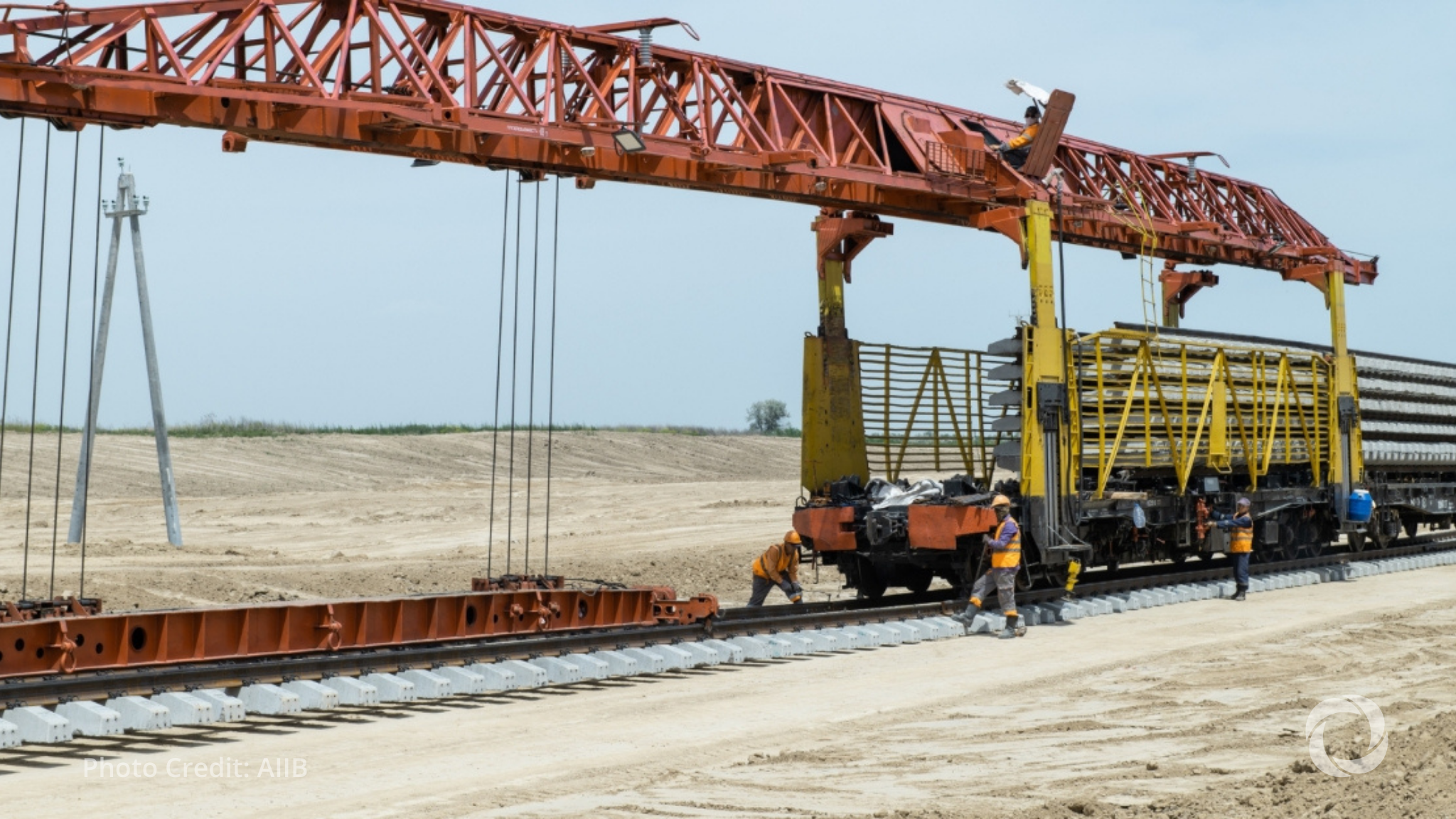
The Asian Infrastructure Investment Bank (AIIB) is lending $150 million to build a freight railway bypass around Almaty, Kazakhstan’s largest city. The project will strengthen freight efficiency, reduce urban congestion, and improve regional connectivity across Eurasia, AIIB said in a statement. The loan goes to Kazakhstan Temir Zholy, the national railway company, as part of a $300 million financing package that includes the International Finance Corporation and the Multilateral Investment Guarantee Agency.
The bypass will be a single-track electrified freight line running about 75 kilometers along Almaty’s northern edge, connecting Zhetygen station in the east to Kazybek Bek station in the west. It creates a dedicated corridor for freight trains outside the densely populated city center. Construction includes new stations, bridges, overpasses, and upgrades at both terminals. Routing freight around the city will reduce bottlenecks, free up capacity for passenger trains, and cut emissions from rail congestion.
“Strengthening Kazakhstan’s transport backbone is essential for supporting the economy’s long-term growth and its role as a key connectivity hub across Eurasia,” said Konstantin Limitovskiy, AIIB’s Chief Investment Officer for Public Sector clients.
The project removes one of the biggest bottlenecks in Kazakhstan’s rail system, letting freight move faster, cleaner, and more reliably.
The multilateral partnership shows international confidence in Kazakhstan’s transport modernization plans. The bypass will expand Kazakhstan’s capacity to handle regional transit flows, including along the Middle Corridor trade route linking Asia and Europe. That matters for businesses trying to move goods efficiently and for the country’s role as a transit hub.
Laura Vecvagare, IFC’s Regional Head of Industry for Infrastructure and Natural Resources in the Middle East and Central Asia, said the investment supports Kazakhstan’s push to modernize rail infrastructure, expand electrification, and increase capacity on strategic corridors. Fixing key bottlenecks and improving network reliability should create benefits for trade, private sector competitiveness, and the overall logistics system. It also helps Kazakhstan deepen connectivity across Central Asia and the Caucasus.