
Add us as your preferred source on Google to see more of our content in Search.
 Add to Preferred Sources
The World Food Programme (WFP) is struggling to keep emergency operations running in Sudan, where over 1,000 days of war have pushed families to the edge. Food stocks will run out by the end of March without urgent funding, WFP warned. The agency needs $700 million to continue operations through June but has been forced to cut rations to the absolute minimum.
WFP has reached 10 million vulnerable people with food, cash, and nutrition assistance since fighting began in April 2023. It continues delivering aid to an average of four million people monthly, including in previously hard-to-reach areas in Darfur, Kordofan, Khartoum, and Al Jazira. But those gains now risk being reversed. “By the end of March, we will have depleted our food stocks in Sudan,” said Ross Smith, WFP’s Director of Emergency Preparedness and Response.
The conflict between the Sudanese Armed Forces and the Rapid Support Forces has created the world’s largest hunger and displacement crisis. More than 21 million people don’t have enough to eat. Famine has been confirmed in parts of the country where humanitarian access is practically impossible. Fighting has forced nearly 12 million people to flee their homes, seeking shelter in Sudan or across borders.
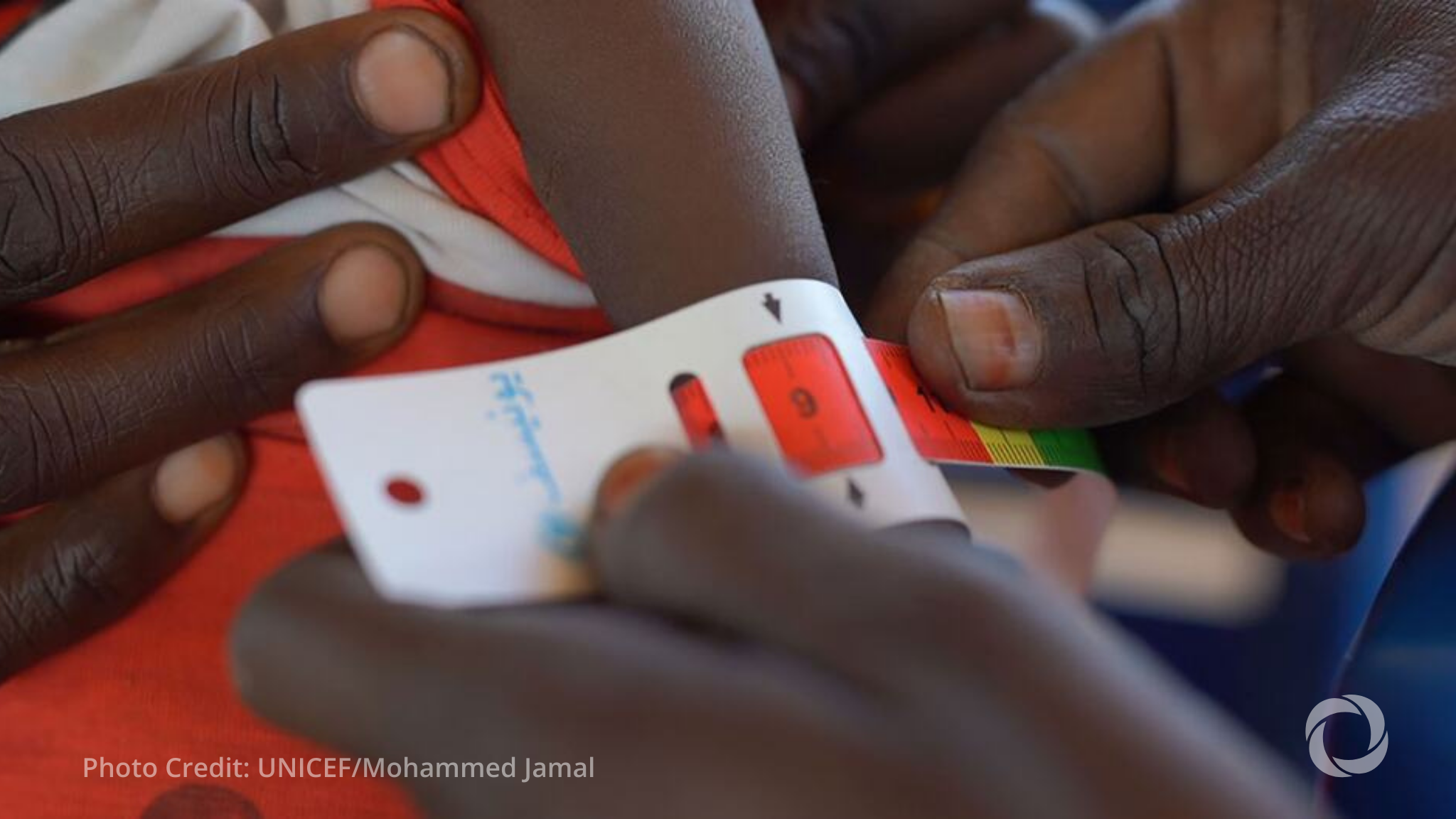
Around 3.7 million children and pregnant and breastfeeding mothers are malnourished. Recent surveys documented record malnutrition levels in parts of North Darfur, where more than half of all young children are affected. In the past six months, WFP provided regular assistance to nearly 1.8 million people in famine areas or where the threat exists, helping push back hunger in nine locations.
Recent breakthroughs include a joint UN convoy reaching Kadugli in October—one of the areas where families had been cut off from aid for months. “One thousand days of conflict is one thousand days too many,” Smith said. “Every single day that fighting continues, families are falling deeper into hunger and communities are pushed further to the brink.” WFP has teams in Sudan and the access to scale up and save more lives, but funding remains the challenge. “We can turn the tide and avert famine conditions spreading further, but only if we have the funding to support these most vulnerable families,” he said.