
Add us as your preferred source on Google to see more of our content in Search.
 Add to Preferred Sources
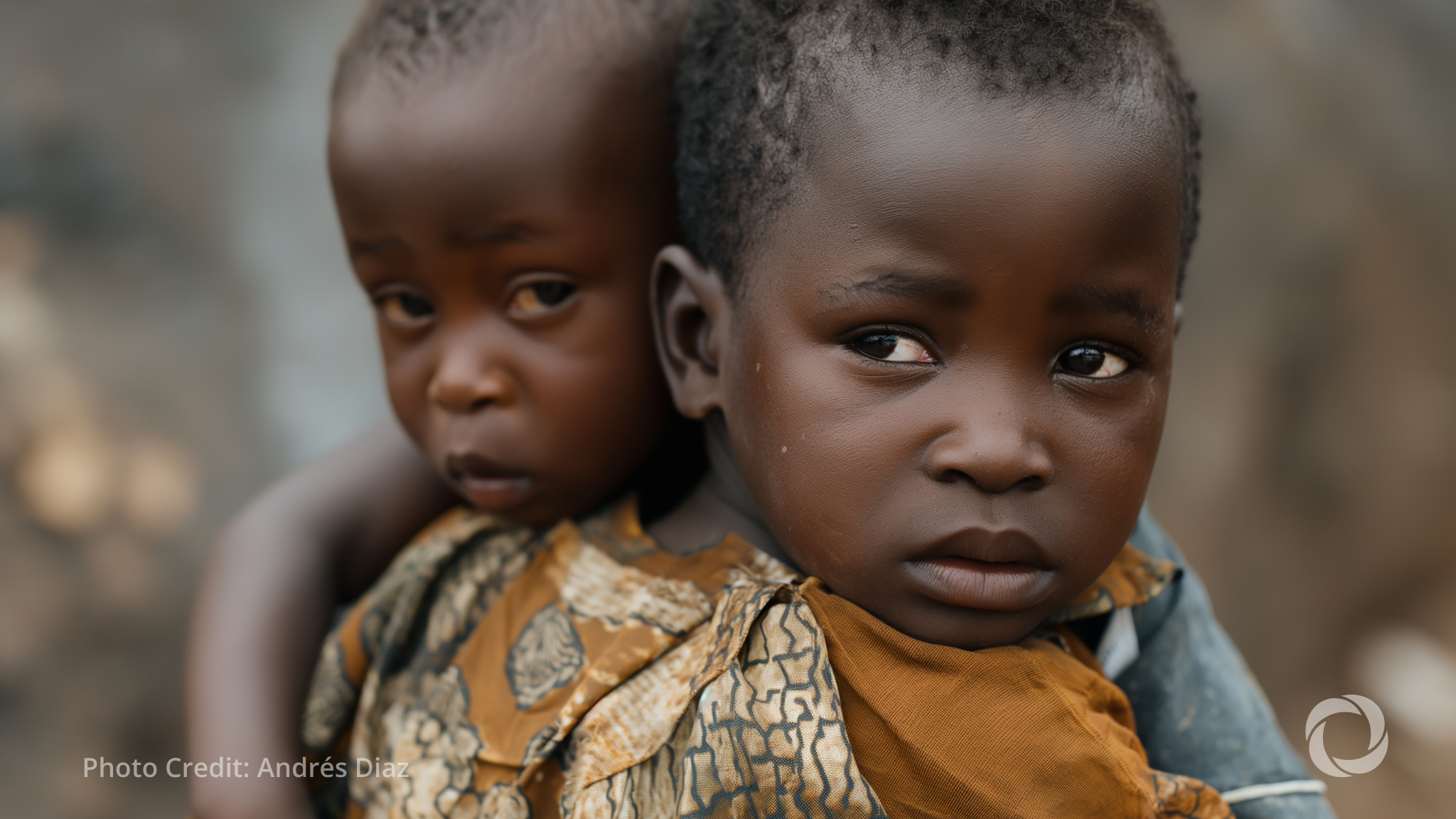
A child under five could die every 40 seconds by 2030 because of U.S. aid cuts initiated by the Trump administration on day one, according to an Oxfam analysis. Conservative estimates project that 200,000 children under five will die in 2025 due to these cuts—leading to the first rise in under-five child mortality this century, Oxfam said in a statement. President Trump’s freeze on lifesaving aid and subsequent closure of USAID left millions without food, water, healthcare, and other basic support.
Chaotic bureaucratic processes and additional rollbacks followed in the months after, and billions of dollars already approved by Congress were slashed from the U.S. humanitarian assistance budget. Vital programs were left in limbo or forced to close. While the Trump administration recently pledged $2 billion to the UN for humanitarian assistance, it addresses only a fraction of previous cuts, and it’s unclear if more funding will follow.
“We have run out of words to describe the depths of suffering we have witnessed after President Trump took a sledgehammer to U.S. humanitarian assistance and the entire global aid system,” said Abby Maxman, President and CEO of Oxfam America. “We are seeing years of progress unravel, and more children suffer and die preventable deaths because of these cuts.”
She described meeting a young woman in the Democratic Republic of the Congo forced into sex work for survival and a mother whose daughters became pregnant from rape while working in unsafe conditions—all because conflict destroyed their community and there was no food available.
Many organizations operating as a lifeline were forced to shut down overnight and no longer have resources to carry out programs necessary for survival. Oxfam America doesn’t accept U.S. government funding, but program teams felt the ripple effects as partners, including the United Nations, scaled back or halted programs. “Amidst a devastating civil war and thousands of refugees in dire need after fleeing conflict in neighboring Sudan, South Sudan is receiving the lowest amount of humanitarian aid since the country was established,” said Shabnam Baloch, Country Director for Oxfam in South Sudan. Water-borne illnesses are spreading rapidly, starvation is imminent for many, and organizations are working with a fraction of previous resources.
In the Philippines, the most powerful storms on earth recorded last year devastated communities. The Center for Disaster Preparedness Foundation, an Oxfam partner, had to cancel programs across 8 communities impacting over 2,000 families. In Syria, GOPA-DERD drastically reduced programs for Syrian families and Iraqi refugees. To receive the Trump administration’s “lifesaving assistance” waiver, they were forced to end educational and psychosocial support programs. Oxfam is calling on Congress and the Trump administration to restore funding to communities facing hunger, conflict, and insecurity, deliver aid without political strings, and support frontline organizations doing all they can despite overwhelming lack of resources.