
Add us as your preferred source on Google to see more of our content in Search.
 Add to Preferred Sources
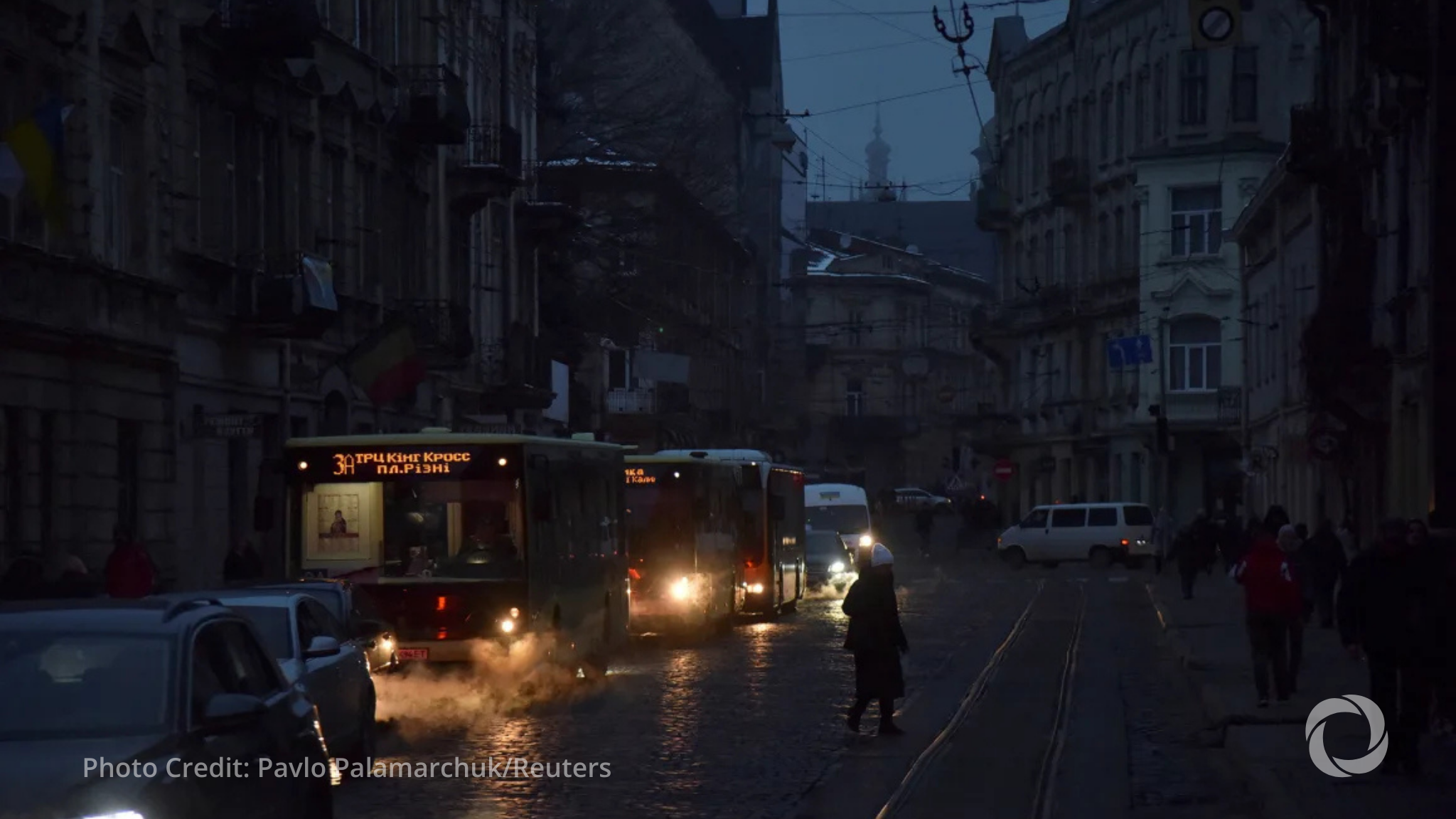
More than a million people in Ukraine are without power, heat, or water as temperatures plunge to -20°C after a series of Russian strikes on energy infrastructure, the European Commission said. In response, the EU is sending 447 emergency generators worth €3.7 million from its rescEU reserves to help hospitals, shelters, and other essential services keep running.
The generators, drawn from storage hubs in Poland, will be distributed by Ukraine’s Ministry for Communities and Territories together with the Ukrainian Red Cross. They will go to the hardest-hit areas, where constant shelling has devastated power and heating networks.
“Russia’s attacks aim to freeze civilians into submission,” said EU Commissioner for Crisis Management Hadja Lahbib. “But they will fail. Europe acts, it doesn’t look away. These generators will help keep the lights on and hospitals running for families across Ukraine.”
Since the start of the full-scale war, the EU has delivered nearly 10,000 generators through the Civil Protection Mechanism. Earlier this winter, it also coordinated the relocation of an entire thermal power plant donated by Lithuania—its biggest operation to date—to help Ukraine restore grid capacity.
Ukraine’s Deputy Prime Minister, Oleksii Kuleba, called the situation “the hardest winter since the war began.” He said Russian forces are deliberately targeting energy supplies, but Ukrainian crews, supported by European partners, are racing to restore power.
“This help is saving lives,” he said. “It keeps hospitals open, communities functioning, and gives people hope through the cold.”
The EU condemned Russia’s latest strikes as intentional attacks on civilians and vowed to continue supplying equipment, energy support, and winter relief to help Ukrainians endure the months ahead.