
Add us as your preferred source on Google to see more of our content in Search.
 Add to Preferred Sources
The Democratic Republic of the Congo (DRC) has launched the “Early Warnings for All” (EW4All) initiative to strengthen disaster preparedness and protect communities from increasingly frequent climate-related hazards, the UN Office for Disaster Risk Reduction (UNDRR) announced. Led by President Félix Tshisekedi, the initiative was officially launched at a high-level national workshop in Kinshasa, opened by Prime Minister Judith Suminwa Tuluka.
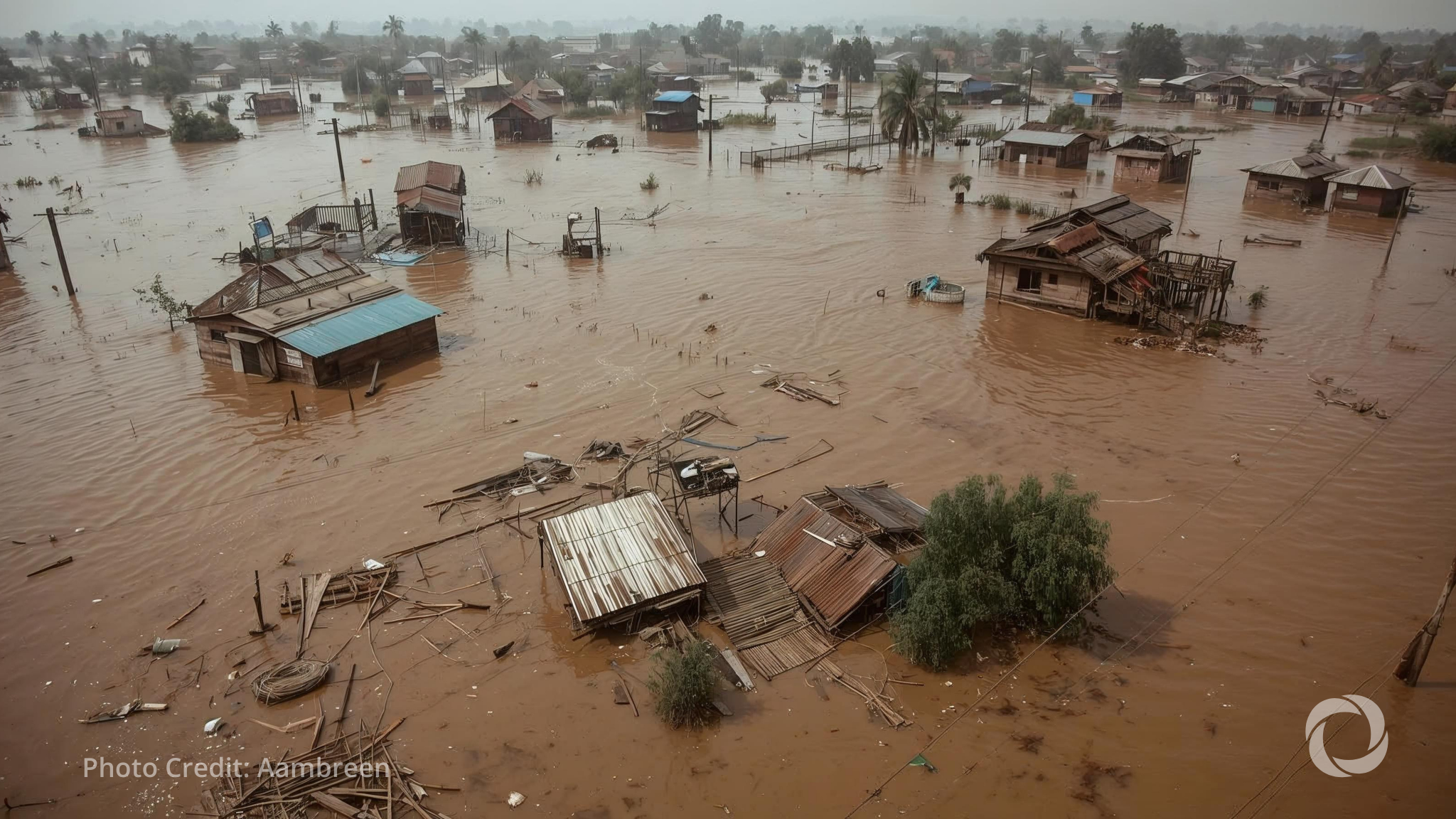
The move comes as the DRC faces rising risks from floods, landslides, droughts, and storms—disasters that often devastate lives and livelihoods. The EW4All programme aims to ensure that early warnings and early action become a routine part of national disaster management, reducing both human and economic losses. The two-day workshop (28–29 January) brings together government ministries, the UN, donors, civil society, and research institutions to develop a national roadmap for a multi-hazard early warning system.
“The government is fully committed to strengthening early warning systems as a key pillar of our national development strategy,” said Prime Minister Suminwa Tuluka.
Her remarks follow new government decrees issued in late 2025 to improve disaster governance and integrate risk reduction into policy planning across sectors.
Launched globally by the UN Secretary-General in 2022, EW4All aims to ensure that everyone on Earth is protected by early warning systems by 2027. It focuses on four pillars: understanding disaster risks, improving detection and forecasting, strengthening communication and alerts, and boosting preparedness and response capacity. Studies show that timely warnings can cut disaster-related deaths by sixfold and reduce damage by up to 30% when alerts are issued just one day before an event.
“The DRC is showing strong leadership in building resilience,” said Kamal Kishore, Head of UNDRR. “This effort is about getting ahead of disasters—protecting development and saving lives.”
The initiative in the DRC is supported by UNDRR through the Climate Risk and Early Warning Systems (CREWS) initiative, with financial and technical backing from partners including the World Meteorological Organization (WMO), International Telecommunication Union (ITU), IFRC, and the World Bank, as well as regional bodies like SADC and CEEAC.
UN Resident Coordinator Bruno Lemarquis praised the DRC’s efforts to link prevention and resilience to long-term development.
“These actions must be sustained to create lasting habits, strong community reflexes, and mechanisms for local ownership,” he said.
The initiative, he added, marks an important shift from reacting to crises toward anticipating and mitigating them before they strike.