
Add us as your preferred source on Google to see more of our content in Search.
 Add to Preferred Sources
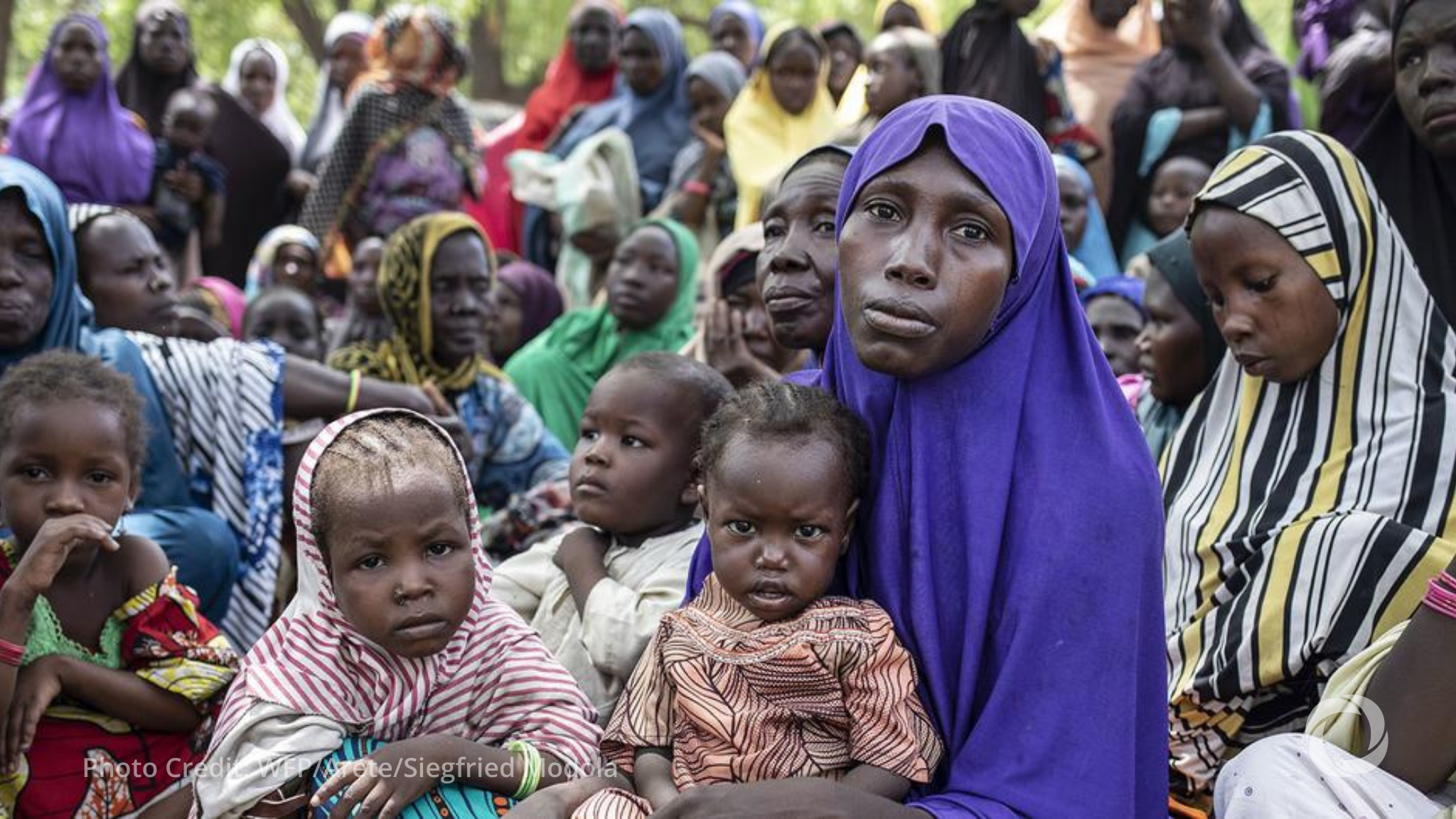
Violence in Nigeria has spread far beyond its original roots in the northeast, creating one of Africa’s largest yet most neglected humanitarian crises, according to United Nations (UN). UN Humanitarian Coordinator Mohamed Malik Fall warned that insecurity is no longer confined to a single region or group, with attacks, displacement, and hunger now affecting millions across the country.
“Security remains one of Nigeria’s major challenges,” Fall said. “You can no longer associate it with one region. It is almost everywhere.”
He noted that what began as an insurgency by Boko Haram in 2009 has evolved into a complex, country-wide emergency driven by extremist groups, criminal gangs, and escalating tensions between farmers and herders.
In the northeast alone, more than two million people have been displaced by nearly two decades of conflict, while entire communities in the northwest have been emptied due to mass kidnappings and attacks. Central regions have also been hit hard, as worsening climate impacts force deadly clashes over land and water. Across Nigeria, some 3.5 million people—about one in ten internally displaced Africans—have fled their homes.
Recent violence targeting churches and Christian schools has revived global attention, especially after 160 worshippers were kidnapped in Kaduna State in January. However, UN officials urge caution against framing the crisis solely through a religious lens.
“The vast majority of the more than 40,000 people killed in the insurgency are Muslims,” Fall said. “Insecurity affects everyone, without distinction of religion or ethnicity.”
Behind the headlines lies a humanitarian disaster: 7.2 million people in the northeast urgently need aid, almost six million of them in critical condition. Food insecurity now threatens 36 million Nigerians, and 3.5 million children are at risk of acute malnutrition. Despite growing needs, humanitarian funding has dropped sharply—from nearly $1 billion a few years ago to less than $200 million expected this year.
“Nigeria is not a poor country,” Fall stressed. “It has resources, and the responsibility to respond ultimately lies with the government. But international solidarity remains vital.” He added that lasting solutions must empower communities and rebuild livelihoods: “No one wants to live on aid. People would rather be supported to rebuild their lives and stand on their own.”