
Add us as your preferred source on Google to see more of our content in Search.
 Add to Preferred Sources
The European Union has announced €63 million in new humanitarian funding to support people affected by the escalating conflict in Myanmar and to assist Rohingya refugees in neighboring countries, the European Commission said. The aid package comes as Myanmar’s crisis—triggered by the 2021 military coup—enters its fifth year, leaving millions in need and making safe return for refugees impossible.
Of the total, €38.6 million will support communities inside Myanmar. The funding will focus on emergency food and nutrition, shelter for the displaced, access to clean water, sanitation and healthcare, mine safety education, and schooling for children affected by the conflict. According to the UN, over 16 million people now require urgent help across the country, where fighting has reached nearly every region and displaced more than 3.6 million people.
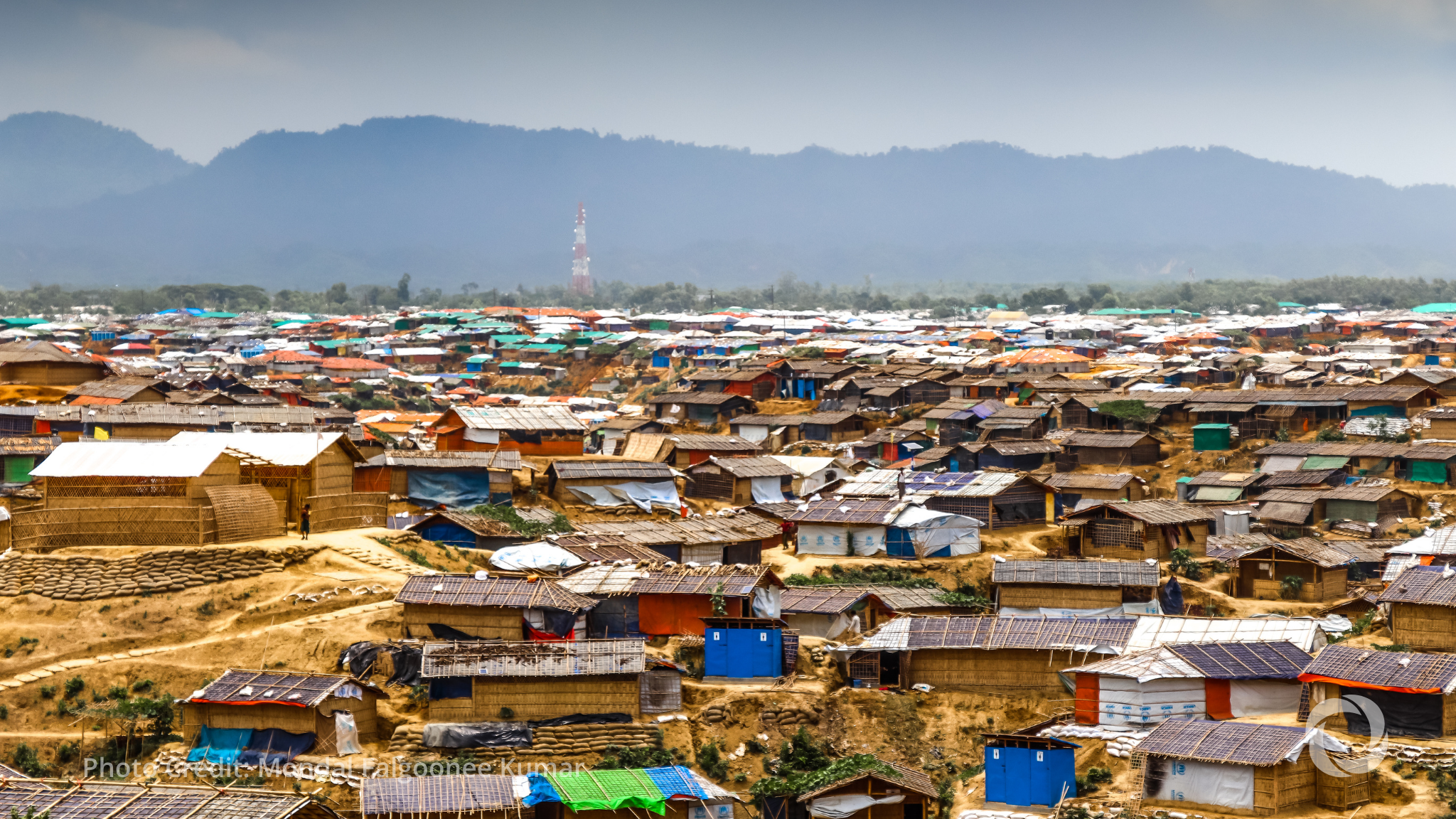
Another €23.4 million is earmarked for Bangladesh, home to nearly 1.2 million Rohingya refugees, most of whom live in overcrowded camps in Cox’s Bazar. This aid will help sustain lifesaving services, including food, nutrition, healthcare, schooling, and shelter maintenance—both for refugees and the Bangladeshi host communities that have supported them for nearly a decade.
Given the growing regional impact of Myanmar’s war, an additional €1 million will help refugees and host communities in India, Indonesia, Malaysia, and Thailand, where more people are arriving each year, often after dangerous journeys at sea. All EU funding will be delivered through trusted humanitarian partners, including UN agencies and international NGOs.
“As we mark five years since the conflict dramatically worsened in Myanmar, the EU remains committed to helping the most vulnerable,” said Hadja Lahbib, European Commissioner for Equality, Preparedness and Crisis Management. “This funding will keep vital aid flowing—from food and shelter to health care and education for children. We again urge all parties to respect international humanitarian law and protect civilians.”
The situation in Myanmar has deteriorated sharply since the coup, compounded by the 2025 earthquake and a collapse in international funding. The country now faces one of the world’s deadliest conflicts, with widespread displacement, hunger, and insecurity that continue to spill across borders.