
Add us as your preferred source on Google to see more of our content in Search.
 Add to Preferred Sources
The European Bank for Reconstruction and Development (EBRD) invested nearly US$2 billion (€1.72 billion) across 120 projects in Central Asia and Mongolia in 2025, the Bank announced. This marks one of the Bank’s strongest results in the region in more than a decade, as investments focused on green growth, infrastructure, and private-sector development.
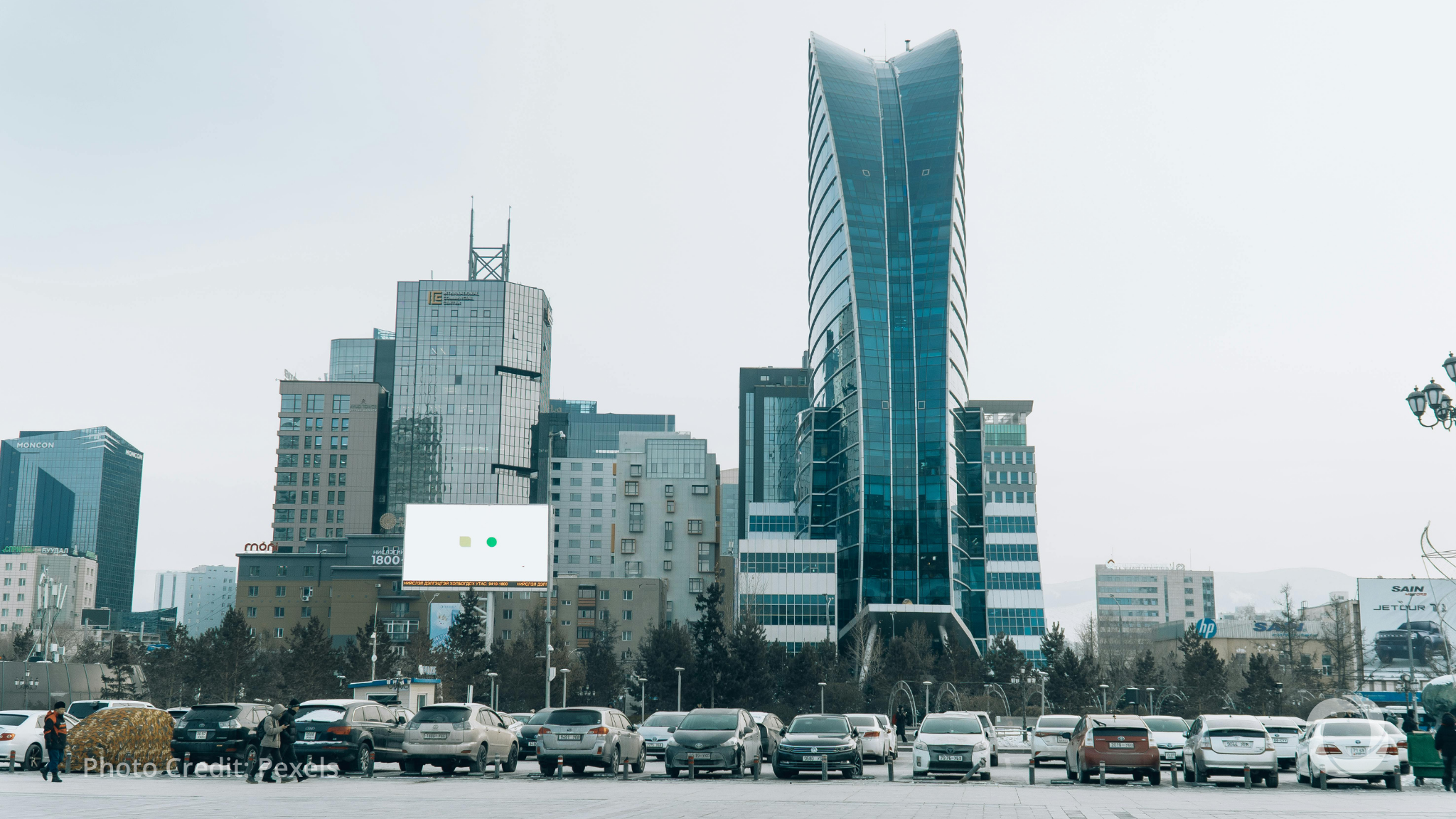
Uzbekistan remained the largest recipient for the sixth year in a row, attracting over US$1 billion (€880 million). It was followed by Kazakhstan with US$440 million, Mongolia with US$218 million, the Kyrgyz Republic with US$212 million, and Tajikistan with US$100 million. About one-third of total financing supported sustainable infrastructure, another third was channelled through local banks to help small and medium-sized enterprises (SMEs) and entrepreneurs, and more than half promoted green economy projects.
The Bank continued to drive renewable energy development across the region. In Uzbekistan, it financed two major solar projects—a US$142 million investment in Central Asia’s largest combined solar and battery storage facility, and a US$195 million package for a 300 MW solar plant developed by Masdar. In Tajikistan, the upgraded Qairokkum hydropower plant was fully commissioned, restoring a reliable electricity supply to half a million people.
EBRD funding also strengthened sustainable infrastructure. A US$250 million loan in Uzbekistan will modernize 110 irrigation pumping stations to increase efficiency and cut annual emissions by more than 117,000 tonnes of CO₂. In Kazakhstan, a joint €45 million EBRD–EU financing package will expand cargo capacity at the port of Aktau, improving connectivity along the Trans-Caspian trade corridor. New transmission lines and irrigation projects in the Kyrgyz Republic, as well as road upgrades in Tajikistan’s Khatlon region, are improving energy access, mobility, and climate resilience. In Mongolia, a new cardiovascular hospital is under construction in Ulaanbaatar as part of the city’s Green Cities Action Plan.
Support for private enterprise and innovation remained strong. In Mongolia, 74% of EBRD investments were channelled through banks, including a record US$147 million to XacBank under the Youth in Business programme and US$20 million each to Khan Bank and Golomt Bank for agribusiness and women-led start-ups. In Kazakhstan, Bank CenterCredit, KMF, and Arnur Credit received over US$90 million to expand lending to youth and women entrepreneurs. Partnerships in Uzbekistan added US$125 million for SMEs through local institutions, while the launch of the Star Venture programme linked innovative startups across Central Asia.
Throughout 2025, the EBRD supported 4,600 SMEs with training, mentoring, and business advice. Its Women in Business initiative, now in its tenth year, has provided over US$365 million in financing and advisory support to more than 100,000 women entrepreneurs in the region.
The EBRD remains the largest institutional investor in Central Asia, with over €21 billion invested in 1,250 projects to date. Its 2025 portfolio underscores growing momentum toward renewable energy, regional integration, and inclusive, sustainable economic growth.