
Add us as your preferred source on Google to see more of our content in Search.
 Add to Preferred Sources
The Food and Agriculture Organization (FAO) and the Asian Development Bank (ADB) are rolling out a $100 million initiative to help more than one million Afghans strengthen food security and rebuild their livelihoods, the FAO announced. The two-year programme will support 151,000 rural households, including returnees from Pakistan and Iran, host families, and communities affected by recent floods and earthquakes.
Agriculture—Afghanistan’s main source of livelihood—has been battered by drought, natural disasters, and widespread economic hardship. The new initiative will help farmers restore crop production, protect livestock, and rebuild irrigation and farming infrastructure. “Our partnership with ADB is delivering real, measurable results for farming families across Afghanistan,” said FAO Director-General Qu Dongyu. “This project deepens our shared commitment to moving from emergency aid to longer-term resilience, with a focus on women and communities most at risk.”
The situation remains dire. In 2026, an estimated 17.4 million Afghans will face acute food insecurity, including 4.7 million in emergency conditions. Consecutive droughts, La Niña-related weather extremes, and sustained economic instability have eroded livelihoods and depleted food reserves, pushing rural families to the brink. FAO and ADB say sustained investment is critical to prevent further deterioration and help communities rebuild.
The project prioritizes climate‑smart agriculture, resilient food systems, and local capacity‑building to help rural families adapt to worsening climate impacts. Women-headed households and those in areas hardest hit by drought and conflict will receive targeted support, linking short-term relief with strategies for sustainable production and diversified income.
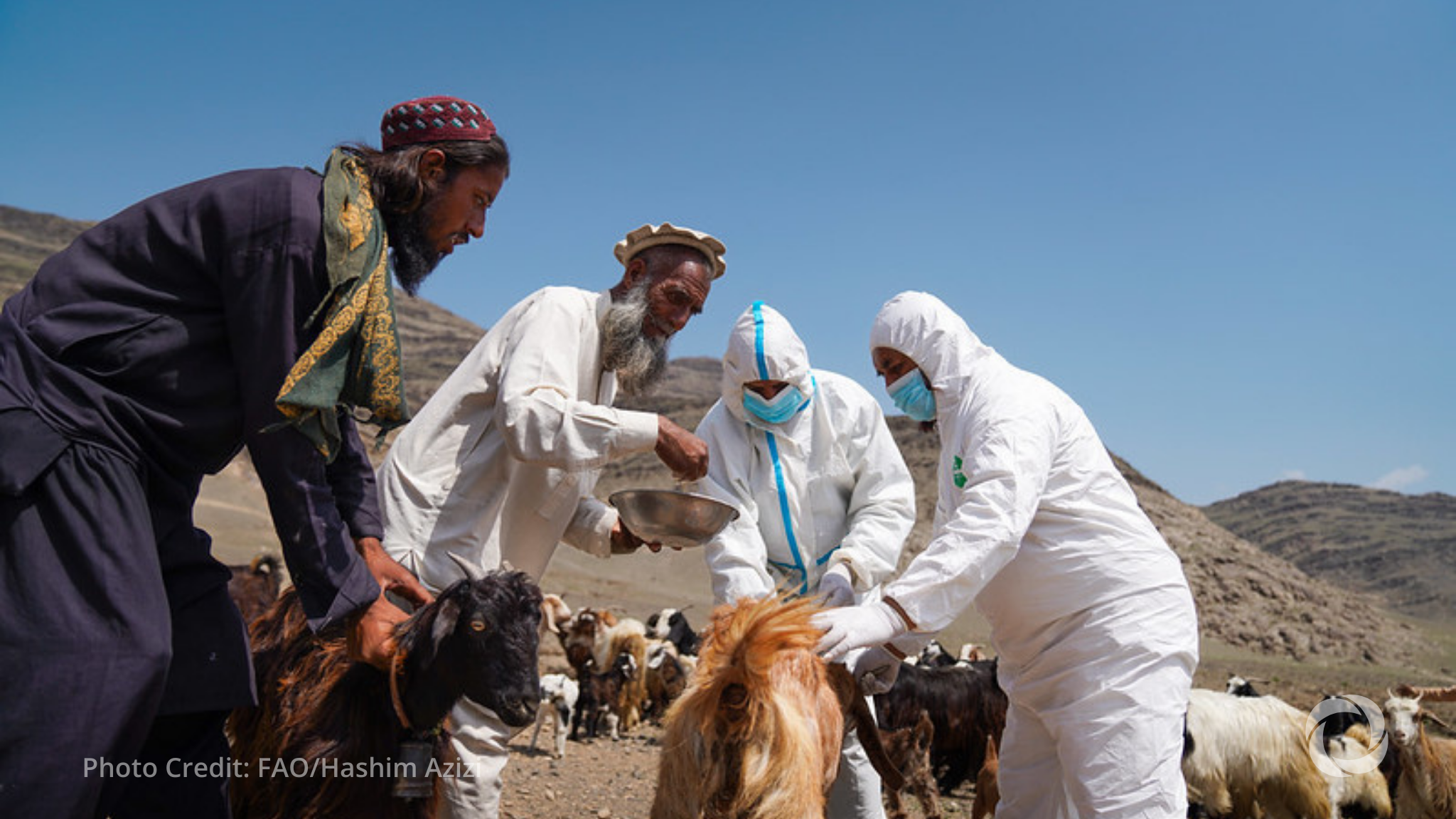
Since 2022, ADB has provided $265 million in grants through FAO, helping over 5.6 million people restore farming and food systems. For just $200, FAO’s wheat cultivation package can feed a seven‑member family for a year, while improved seeds have increased yields by 27 percent, producing enough surplus to sustain households for multiple growing seasons. Livestock support programmes have boosted herd ownership and improved household nutrition through better access to milk and meat.
By combining emergency food support with longer‑term agricultural recovery, FAO and ADB aim to help Afghan families achieve stability and self-reliance in one of the world’s most fragile contexts.