
Add us as your preferred source on Google to see more of our content in Search.
 Add to Preferred Sources
The World Health Organization (WHO) has unveiled new Guidelines on Policies and Interventions to Create Healthy School Food Environments, offering countries practical, evidence-based steps to improve the quality, safety, and nutrition of food served in schools, according to a press release. The initiative aims to make healthy eating a routine part of every child’s school day while curbing access to unhealthy foods that undermine long-term health and learning.
The new global guidance focuses on three main areas: providing nutritious meals in schools, setting clear nutrition standards for all food and beverages available on school grounds, and using behavioral nudges to encourage better food choices. Together, these measures are designed to promote healthier dietary habits, support children’s growth, and reduce nutrition inequities that persist across communities.
Children spend much of their formative years in school, making it a crucial space for shaping lifelong eating patterns.
“Children are at higher risk of malnutrition, including micronutrient deficiencies, which may impede their growth and development,” explained Dr. Betty Lanyero, WHO Kenya’s Nutrition Focal Point. “These guidelines provide governments with a clear, evidence-based roadmap to improve school food systems in line with public health goals.”
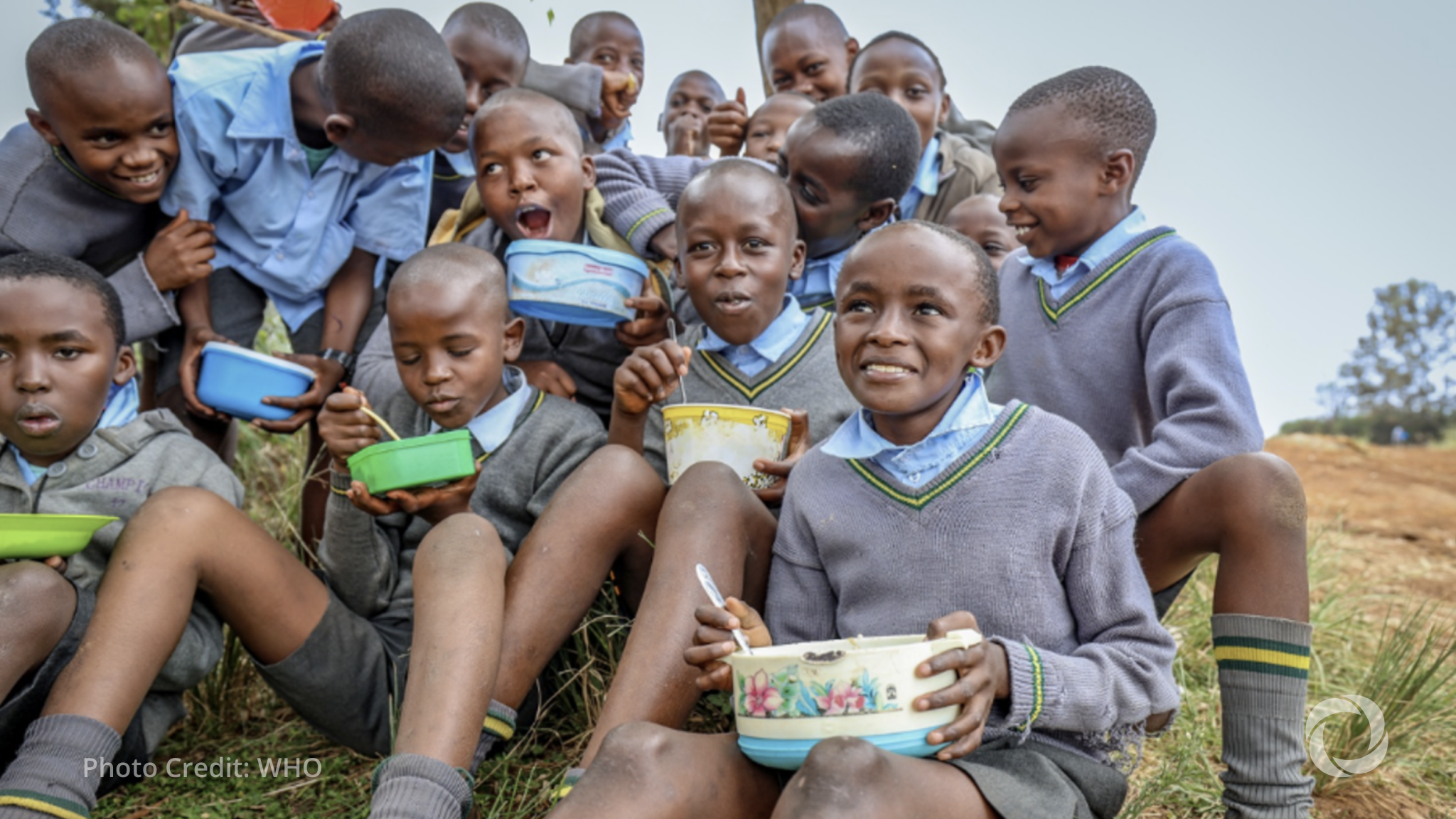
In Kenya, where many children—especially those in boarding schools and arid regions—rely heavily on school meals, the government currently supports 2.6 million learners through its free school meals program, with plans to expand to 10 million children by 2030. As Leila Odhiambo from the Ministry of Health noted, global guidance helps ensure policies are both evidence-based and responsive to children’s nutrition needs at every stage of growth.
WHO’s action also supports broader initiatives to create health-promoting schools that foster nutritious diets, physical activity, and mental well-being. As Dr. Neema, WHO Representative a.i. to Kenya, emphasized, “Healthy school food environments are fundamental to children’s well-being and future potential.” The new guidelines are part of WHO’s ongoing global efforts to strengthen food systems, improve diets, and narrow nutrition-related inequalities worldwide.