
Add us as your preferred source on Google to see more of our content in Search.
 Add to Preferred Sources
The Central American Bank for Economic Integration (CABEI) has supported the Dominican Republic through a wide-ranging agenda that combines productive investment, social infrastructure, and sustainable development, as the organization reported in a recent statement. By the end of 2025, this partnership had resulted in 21 approved operations worth more than $2.9 billion, with cumulative disbursements exceeding $1.5 billion. The funding has been directed toward strategic projects in infrastructure, energy, health, drinking water, and productive development—sectors that directly support economic growth and community well-being.
During 2025, CABEI approved several major operations reflecting its focus on inclusive and sustainable development. One standout investment is $80.9 million for the Southwest Region Multiple Aqueduct Project (ASURO), designed to improve access to clean drinking water in the provinces of Barahona, Bahoruco, and Independencia. The project will directly benefit more than 580,000 people by strengthening water infrastructure and improving service coverage, especially in rural communities facing high social and climate vulnerability.
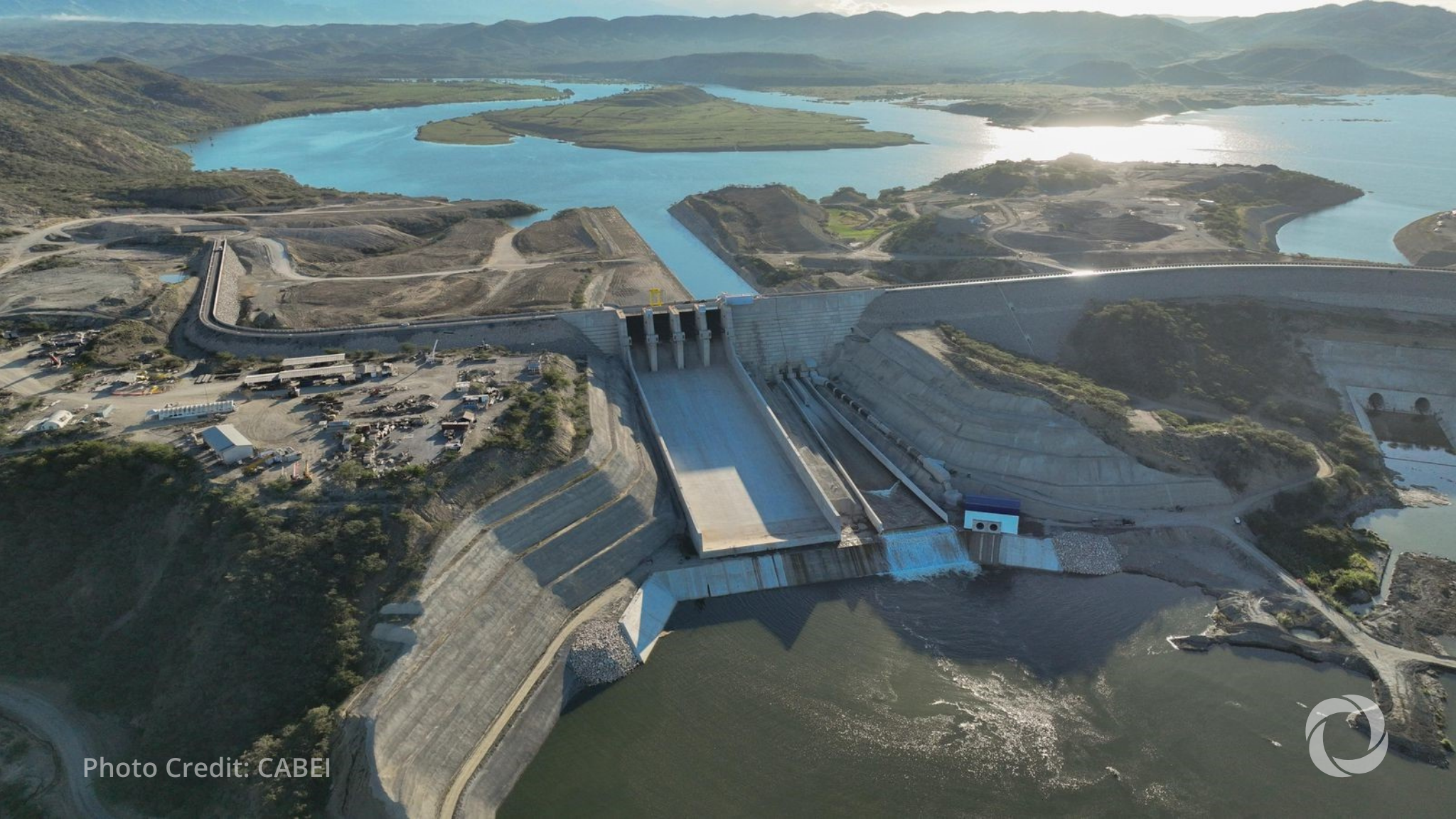
This effort builds on large-scale projects already in operation, including the Monte Grande Multipurpose Dam, which serves 51 communities in the southern region and enhances water access, security, and resilience. A complementary project is currently underway to expand the dam’s capacity for irrigation, boosting agricultural productivity and food security across the area.
Beyond infrastructure, CABEI has made supporting micro, small, and medium-sized enterprises (MSMEs) a priority, recognizing their role in economic development and social cohesion. The bank recently approved a $100 million credit line for Banco Popular Dominicano to expand financing access, particularly for women and those seeking housing solutions. CABEI’s Dominican Republic office also contributed $100,000 to the Microenterprise Financing Fund (FondoMicro) to support a 2025 survey of households and small businesses, generating data that will inform more effective policies and programs for the sector.
Looking ahead, CABEI plans to continue its work as a strategic partner to the Dominican Republic, addressing challenges such as closing infrastructure gaps, expanding access to basic services, and transitioning to more resilient, low-carbon economies. The bank will coordinate with the government, private sector, and other key actors to ensure that each investment aligns with national priorities and delivers sustainable, long-term benefits for Dominican communities.