
Add us as your preferred source on Google to see more of our content in Search.
 Add to Preferred Sources
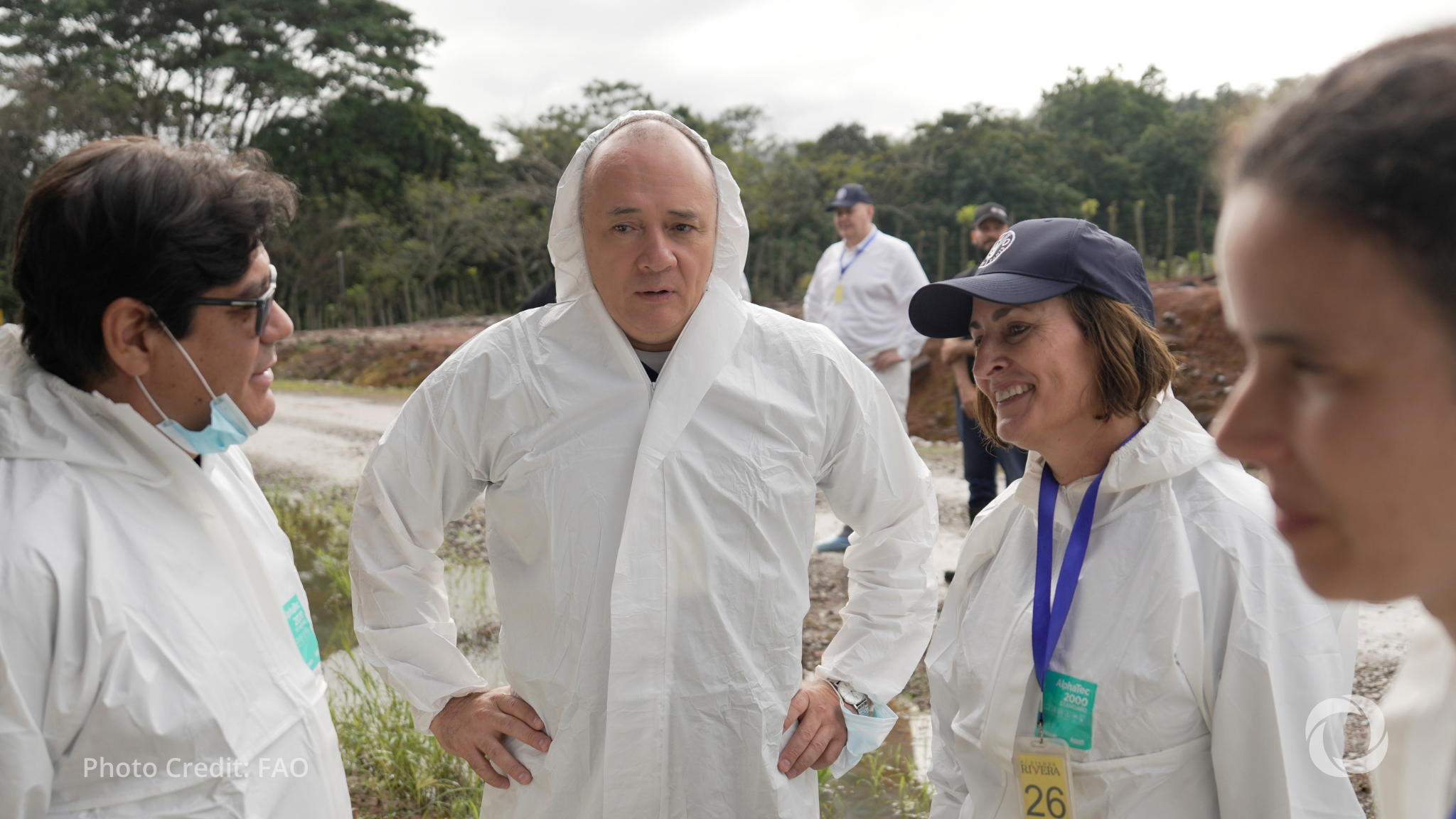
A high-level Food and Agriculture Organization (FAO) mission to Haiti and the Dominican Republic this week highlighted a key reality for the Caribbean: food security is a shared regional challenge that demands both urgent, life-saving agricultural action and robust prevention systems to protect food supply chains, according to an official statement. Led by FAO Deputy Director-General Beth Bechdol, along with senior regional and emergency leadership, the mission advanced a coordinated approach—reinforcing agriculture as a frontline humanitarian response in Haiti while strengthening biosecurity, disaster preparedness, and market stability in the Dominican Republic.
Haiti faces a severe hunger crisis, with over 5.7 million people experiencing high levels of acute food insecurity, yet much of the rural population continues to rely on agriculture for their livelihoods. FAO’s Emergency Food Production approach enables highly vulnerable families to grow food within just 90 days, even amid ongoing instability. In 2025, FAO supported more than 140,000 people by distributing over 210 tonnes of seeds to 76,000 farmers, resulting in more than 7,500 tonnes of food produced across 4,300 hectares.
In the neighboring Dominican Republic, discussions focused on safeguarding agrifood systems from major shocks—including transboundary animal diseases, climate-related hazards, and supply chain disruptions—while reinforcing regional trade and market integration for the wider Caribbean. Over the past two years, FAO has strengthened food system defenses by certifying 25 pig farms, sharply reducing viral circulation, and raising biosecurity compliance from 35 percent to nearly 80 percent, which enhances pork export potential and foreign exchange earnings.
“Traveling to both countries, I am deeply convinced that agriculture is not just a lifeline in today’s crises—it’s the foundation for stability and food security,” said Bechdol. “In Haiti, where families endure relentless shocks, farming remains the daily anchor sustaining households and the seedbed for rebuilding resilient livelihoods. In the Dominican Republic, robust biosecurity measures safeguard farmers, protect markets, and sustain vital regional trade.”
She emphasized that strategic, sustained investment in agriculture—tailored to local realities—builds resilience, even across borders, and called for immediate action to scale up support.
To build on these efforts, FAO is seeking $108 million to support 860,000 people in Haiti through emergency food production and livelihood protection. In the Dominican Republic, FAO is working with partners to mobilize additional resources to expand biosecurity coverage, strengthen livestock systems, and safeguard national and regional food supply chains. Rein Paulsen, Director of FAO’s Office of Emergencies and Resilience, stressed that “a scale up in funding and support is urgently required to allow FAO to save lives and dignity through delivering tangible results for farmers and communities.”
Together, the two country engagements reflect FAO’s integrated regional approach: addressing urgent humanitarian needs while strengthening the systems that prevent future crises and secure food availability.