
Add us as your preferred source on Google to see more of our content in Search.
 Add to Preferred Sources
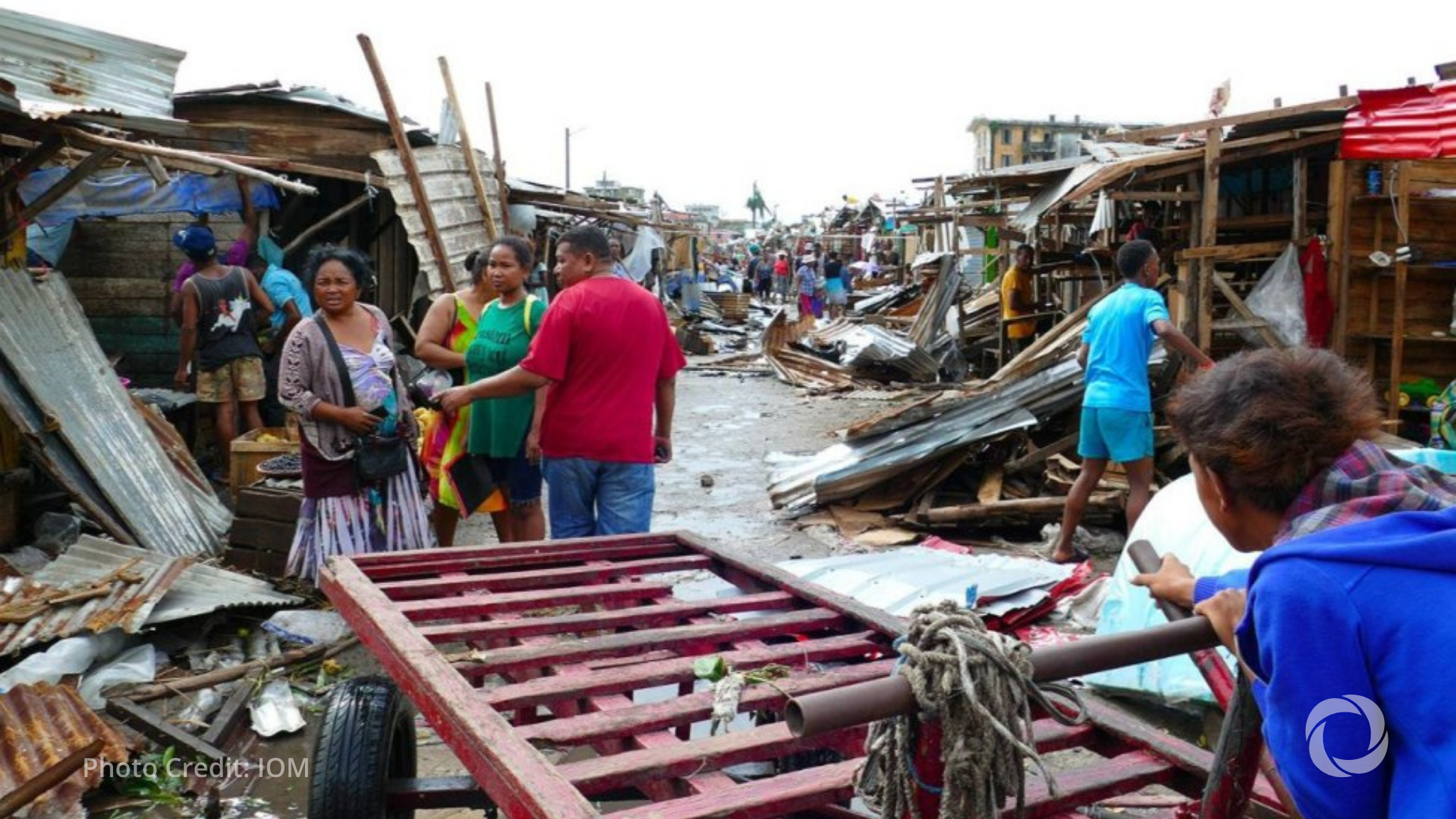
Thousands of people have been forced from their homes across northeastern Madagascar after Cyclone Gezani struck the country on February 10, causing widespread destruction and disruption, the International Organization for Migration (IOM) said. IOM has deployed emergency response teams to Toamasina in the country’s northeast to support authorities responding to the crisis. “The scale of devastation from Cyclone Gezani has left families struggling to cope with urgent needs and heavy losses,” said Roger Charles Evina, IOM Chief of Mission in Madagascar.
Cyclone Gezani struck Madagascar’s northeastern coast with strong winds exceeding 195 kilometers per hour, triggering flooding, infrastructure damage, and widespread disruption across multiple regions. Communities in coastal and inland districts have experienced destruction of housing, damage to public infrastructure, and reduced access to essential services. Families have sought refuge in evacuation centers, schools, and community buildings as displacement continues to rise. To date, most displaced families are sheltering in 28 evacuation centers across 16 districts and four regions. The Government of Madagascar has declared a national state of emergency in response to the crisis.
IOM field teams are supporting coordination, needs assessments, and humanitarian planning in affected districts, working closely with national and local authorities and partners to strengthen response mechanisms and improve service delivery in evacuation centers. Initial assessments highlight urgent humanitarian gaps, including emergency shelter, safe water and sanitation, food assistance, healthcare, and protection services.
IOM is conducting rapid needs assessments to identify priority vulnerabilities and guide targeted assistance, including cash-for-shelter support to help affected households secure temporary accommodation or begin recovery. Access to affected communities remains difficult due to damaged infrastructure, flooded roads, and disrupted communications. IOM will expand its response in the coming days as additional assessment data becomes available.